The Nifty50 has delivered a remarkable 9% surge this month, with mid-caps climbing an impressive 13% and small-caps posting an even more dramatic 15% gain. According to reports from The Economic Times, this represents one of the sharpest recoveries in recent memory for Indian equities. The rebound comes after the Nifty50 ended a four-month losing streak in March 2026, a decline that has occurred just seven times in the index's entire monthly history. The recovery has been primarily driven by retail and HNI buying, with the pace of FII selling also slowing down during this period. As reported by The Economic Times, 'A rally of sorts last week was mostly retail and HNI driven as they felt the market was oversold,' with FIIs only beginning to accumulate gradually toward the end of last week.
Market experts are observing a fundamental shift in investor behavior, with the Nifty50 now trading in a 'buy-on-dips' approach. As reported by The Economic Times, CA Rudramurthy BV, MD at Vachana Investments, noted that 'Markets have clearly turned into buy-on-dips and no war information, whatever negative, is impacting the market.' He emphasized that this represents a 'very clear sign that the market texture has completely changed' and sees the Nifty50 heading toward 24,800-25,000, stating that 'this market cannot be shorted now.' The rally has been largely retail and HNI driven, with FIIs only beginning to accumulate gradually toward the end of last week. DIIs, meanwhile, have been booking profits, building firepower ahead of the earnings season, as noted by market expert Sunil Subramaniam, who expects them to 'redeploy as you get clarity around the earning season.'
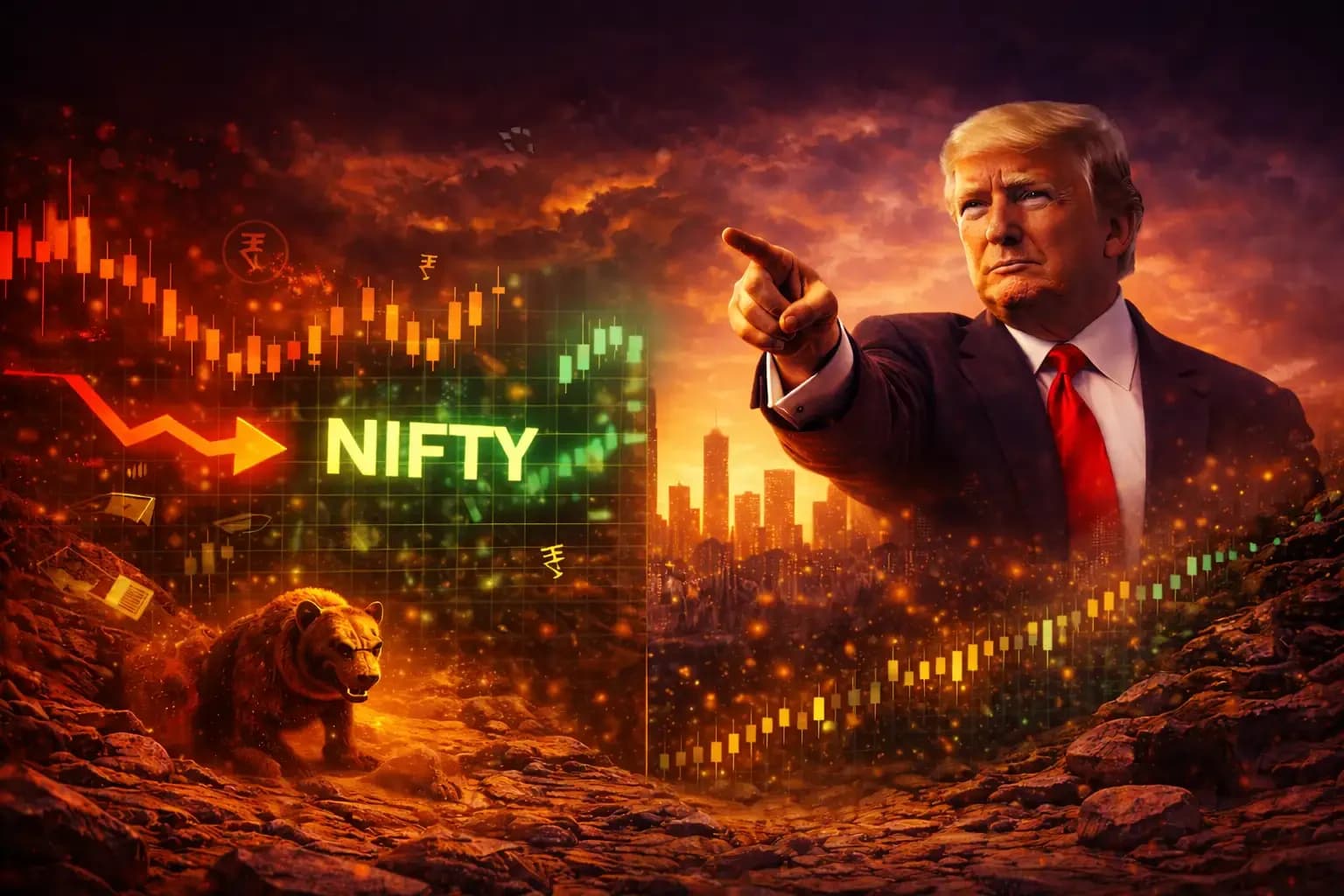
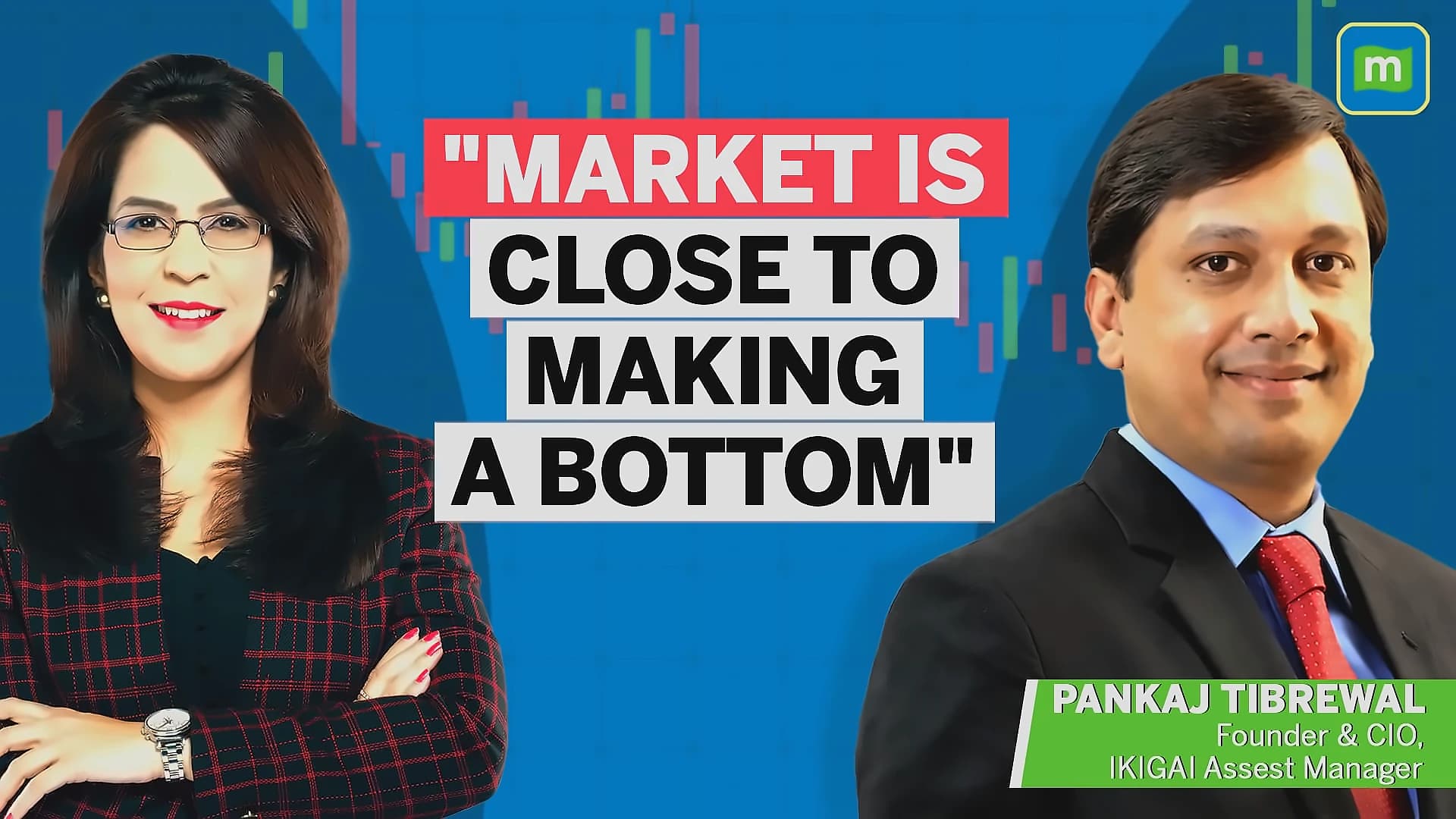
Despite ongoing geopolitical tensions with Trump and Iran providing conflicting statements on peace and the opening of Strait of Hormuz, market analysts suggest the current rally may not be sustainable. According to The Economic Times, Sunil Subramaniam, market expert, suggests that oil at $95 is painful, but not spiraling and indicates that 'much of the bad news is already in the price.' He believes the scenario most likely to break the market — US boots on the ground — remains a low-probability outcome, even if nothing is off the table with Trump. The ceasefire expires Tuesday, creating potential for a fresh flare-up in Middle East hostilities that could provide sidelined investors with a re-entry opportunity. However, market signals are sending a different message entirely, with experts noting that 'this is a time when you can be reasonably confident that the market is close to a bottom unless there is a very dramatic military development.'
Analysts identify three key variables that will determine near-term market direction: progress toward Middle East de-escalation, crude oil holding below $100, and the trajectory of foreign flows. As reported by The Economic Times, Manish Gunwani of Bandhan AMC points to ''valuations on a broad basis are quite attractive'' and notes that ''we have been deploying cash across the board.'' The bigger structural challenge for India, according to his view, is the global AI narrative and whether India can compete for foreign capital against markets directly leveraged to that theme. For now, Subramaniam's advice to latecomers remains pragmatic: 'Keep buying, but small amounts. Stagger them. Do not go in today.' The setup, he says, favors patience, with Q4 earnings and FY27 management guidance then shaping which sectors lead.