
The Indian benchmark indices, SENSEX and NIFTY50, continued their positive momentum on Thursday, June 25, amid favorable global cues. According to reports from AP, the SENSEX gained as much as 1.05% to hit an intraday high of 77,803.18, while the NIFTY50 rallied as much as 1% to touch the session's peak of 24,261.60. At around 12:35 PM, the S&P BSE SENSEX was trading 569.25 points or 0.74% higher at 77,560.47, while the NSE's NIFTY50 stood at 24,195.75, reflecting a 174.10 points or 0.72% jump.
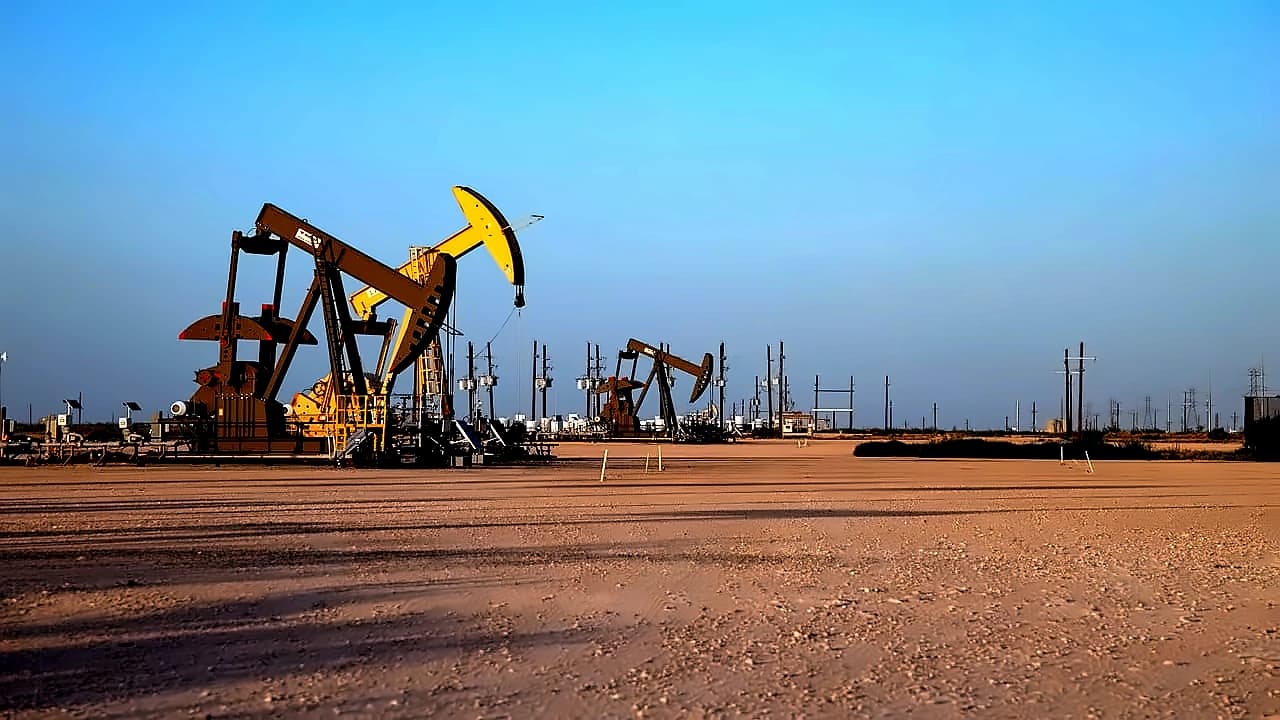
The domestic market rally was significantly driven by a sharp drop in crude oil prices to their lowest level since February 27, 2026, which is one day before the United States carried out targeted attacks against Iran with Israel's help, starting the West Asia conflict. As reported by AP, crude oil prices erased all gains accumulated during the West Asia war, benefiting oil-sensitive sectors including paints, tyres, upstream, auto companies, and aviation. Brent crude declined below $72.48 per barrel, falling below pre-US-Iran conflict levels, while West Texas Intermediate (WTI) was trading around $69 per barrel. The dramatic drop follows a period in which the price of crude wiped out all gains achieved when geopolitical tension peaked in the Middle East, with an increase in crude shipments via the Strait of Hormuz and supply offers from Middle East and African producers creating a situation of abundance rather than shortage.
One of the major sectors to benefit from the trend was the aviation sector, with InterGlobe Aviation (IndiGo) stock jumping as high as 4.49% to ₹5,443 on the day. According to market reports, the stock first gained 2.3% to ₹5,328 before surging to the upper circuit level. Given that fuel cost constitutes the major portion of operational cost of the airline industry, cheaper ATF would increase their profitability significantly. The aviation sector's rally was supported by expectations of reduced input costs, with falling crude prices potentially leading to substantial savings in fuel expenses for airlines.
Oil marketing firms also benefited from the falling crude prices, with BPCL up 1% to ₹318.75 and HPCL increasing by 0.9% to ₹416.85. IOC was up 0.1% to ₹146.47. Falling crude prices would result in falling costs for purchasing raw materials, thereby helping increase margins in marketing, especially if retail fuel prices remain unchanged. Besides, falling inventory costs would help in reducing working capital requirements for refiners, making these companies attractive investment prospects for investors seeking exposure to the oil sector.
The price decline also benefited industries whose operations require petroleum-based inputs. Asian Paints, which manufactures paints using petroleum derivatives, was trading at ₹2,661.40, showing a decline of 0.2%. Asian Paints continues to be one of the most significant beneficiaries of the decline in input costs. Tyre producers like MRF and Apollo Tyres will undoubtedly benefit from cheaper costs associated with synthetic rubber, carbon black, and nylon tyre cord, all of which are derivatives of petrochemicals. Special chemical and plastics producers will also benefit from cheaper raw materials, with Supreme Industries being closely watched among these beneficiaries.