Oil-sensitive stocks experienced significant declines on Friday, with the NIFTY Oil & Gas index hitting a one-year low of 10,286.70, as 11 out of 15 stocks were trading in red despite positive market sentiment. This follows Thursday's sharp decline when oil-sensitive stocks fell up to 5 percent as Brent crude surged above $104 a barrel amid renewed Middle East supply concerns and hurricane-related production disruptions in the US. According to reports from Business Standard, crude-sensitive stocks came under heavy selling pressure as a sharp rise in oil prices weighed on investor sentiment. The decline reflects broader concerns over severe supply disruptions following rising attacks on vessels in West Asia and hurricane-related production shutdowns in the US.
HPCL shares declined 4.94% to ₹323.25, making it one of the biggest losers among major oil marketing companies, while BPCL fell 4.62% to ₹283.28. As reported by NDTV Profit, Indian Oil Corporation dropped 3.48% to ₹125.64, hitting a 52-week low. In the aviation sector, InterGlobe Aviation (IndiGo) lost 3% to ₹4,832.70, with the aviation sector particularly vulnerable as Aviation Turbine Fuel (ATF) accounts for more than 40 percent of an airline's operating costs. Among paint companies, Asian Paints declined 1% to ₹2,326.30, Kansai Nerolac Paints fell 1% to ₹183.70, and CEAT and Apollo Tyres fell between 1-5 percent. However, Berger Paints bucked the trend, rising 0.8% to ₹467.8.
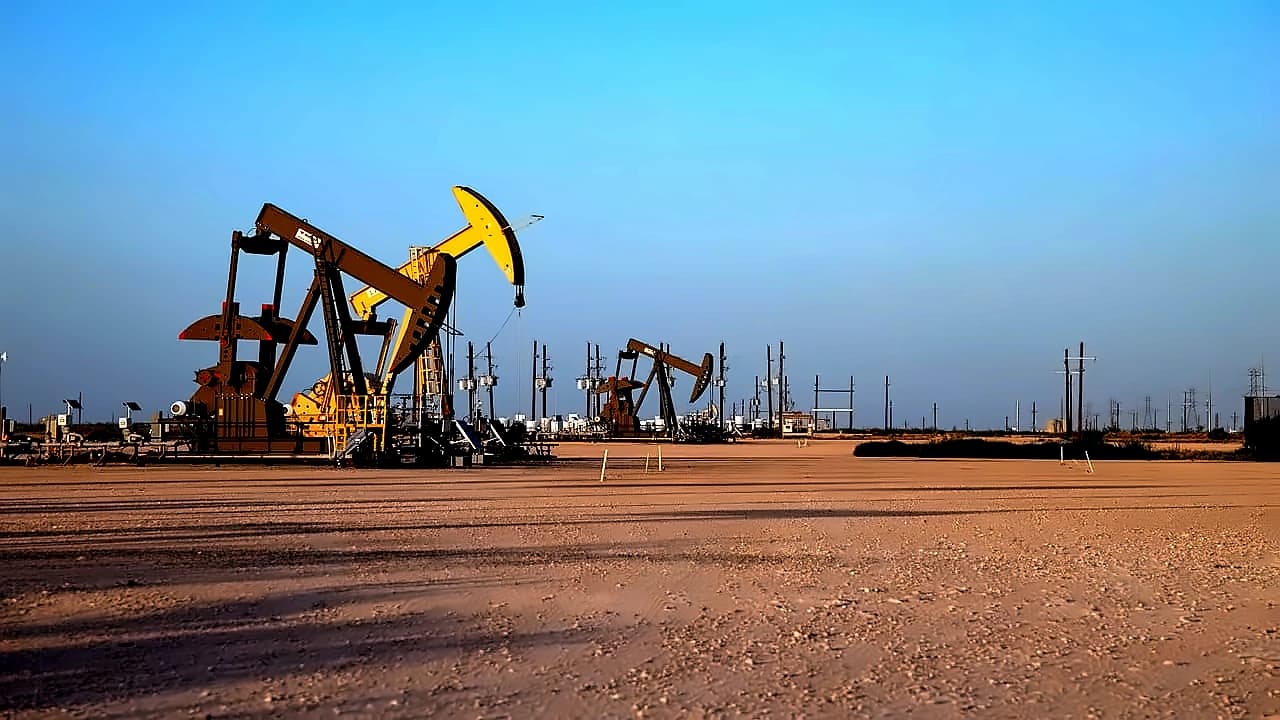
Brent crude futures retreated 1.5% to $102.71 a barrel in Friday's afternoon session, down from the previous day's high of $105 per barrel, as reported by Investing.com. This follows Thursday's surge when Brent crude rallied 3.79% to $104.00 a barrel and US West Texas Intermediate crude gained 3.59% to $91.45 a barrel. According to Business Standard, oil prices climbed sharply due to rising attacks on vessels in West Asia and hurricane-related production shutdowns in the US. Tropical storm Isaias is expected to intensify into a major hurricane before reaching the southern US coast on Saturday, with its projected path crossing key Gulf of Mexico oil and gas producing areas and potentially affecting an estimated 11.2 million barrels of oil production. Separately, reports indicate that the White House has sought potential military options against Iran ahead of the US midterm elections, while a tanker was struck by projectiles off Qatar's northern coast on Wednesday, marking the first attack deep inside the Persian Gulf in nearly a month.
The Reserve Bank of India (RBI) this week highlighted significant concerns about rising oil prices, stating that inflation risks were no longer as benign as they had been a year earlier, pointing to higher food and fuel prices, deficient monsoon rains, El Niño conditions and renewed volatility in international oil prices. As reported by The Economic Times, the Indian crude basket averaged $116.1 a barrel in September, up sharply from $82 in July. ICRA noted that elevated crude oil prices and other inflationary pressures would dent corporate margins and dampen private consumption. This warning comes as US President Donald Trump said he will not order a resumption of military strikes on Iran before the November 3 midterm elections, providing some relief from escalation concerns that had driven oil prices higher.