According to The Economic Times, Nithin Kamath of Zerodha has highlighted how opening stock exchange auction markets to retail investors is beginning to change market dynamics. When Zerodha enabled retail participation in auction markets in 2023, only a small fraction of its user base - around 25,000 out of over 1.7 crore clients - actively participated. Despite this limited participation, the impact has already been visible as some small proprietary trading brokers, which historically profited from these auctions, were "hit pretty hard" as increased participation improved liquidity and narrowed spreads.

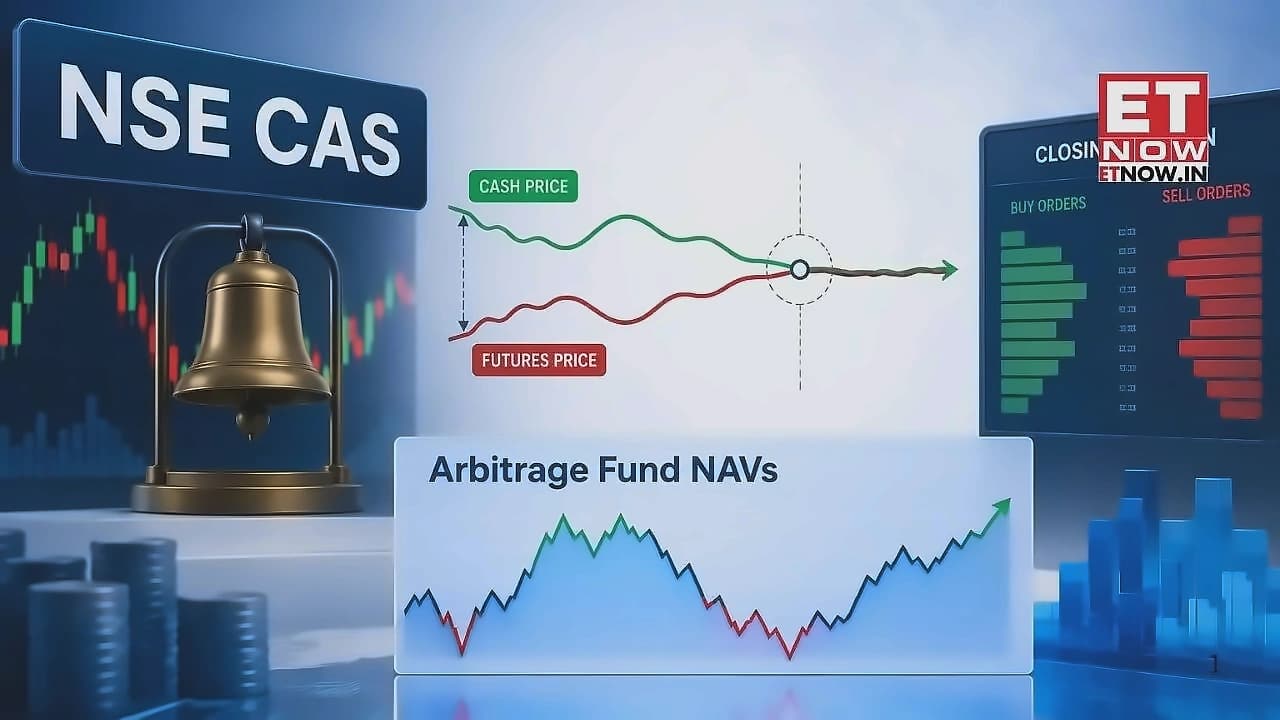
As reported by The Economic Times, auction markets are triggered when a seller fails to deliver shares on time, resulting in a short delivery. Exchanges then conduct auctions to procure the required shares, often at a premium to the last traded price due to limited availability. These premiums had earlier created opportunities for specialized traders to earn relatively easy profits by supplying shares into these auctions. However, Kamath noted that as more participants enter the system, the inefficiencies that enabled such gains are gradually reducing, with liquidity improved and spreads tightened.
According to The Economic Times, the auction window typically opens around 2:30 pm and remains active for about 30 minutes, with eligible stocks available for bidding through the broker's trading platform. Retail investors holding eligible shares can benefit from the system by selling them in auctions at a premium, effectively generating near risk-free returns in certain cases. Zerodha remains one of the few large brokers offering access to these auctions for retail investors, with participation steadily increasing as more investors become aware of this niche segment.
As reported by The Economic Times, the shift represents a fundamental change in how auction markets operate, making them more efficient even with relatively small increases in retail participation. Kamath emphasized that this trend is likely to continue as more investors become familiar with these specialized trading opportunities. The development signals a broader shift toward democratizing access to previously specialized trading mechanisms, potentially reshaping the dynamics of short delivery auctions across Indian stock exchanges.