The Securities and Exchange Board of India (SEBI) is reviewing trading activity during the first week of the Closing Auction Session (CAS) for possible signs of market manipulation, according to sources told to NDTV Profit. SEBI has received trading data from stock exchanges and is examining transactions executed during the newly introduced closing auction mechanism, particularly in the context of the volatility witnessed after the CAS rollout last week. As reported by NDTV Profit, the regulator is assessing whether trades during the closing auction may have influenced closing prices, especially in stocks where participation remained thin. SEBI is also examining whether low liquidity in the initial days of the new mechanism could make the closing auction more vulnerable to attempts to influence prices. The review comes as market participants and analysts have raised concerns over the impact of limited participation on price discovery during the closing auction, with fewer trades taking place in some securities potentially having a larger impact on final traded prices.
Day traders have initiated an online campaign to boycott trading for a day on August 12 in protest against the recently introduced Closing Auction Session (CAS). According to The Times of India, traders are feeling that the new system is working against them and in favour of large institutions. The campaign has gained momentum with one post stating "One day trading boycott against regulations and rising taxes impacting retail traders" and has garnered over 15,000 followers. This represents a significant escalation in retail trader opposition to the new market structure mechanism that has been implemented on NSE and BSE for equity market instruments.
The Securities and Exchange Board of India (SEBI) has confirmed that it sees no flaws in the design or technical architecture of the Closing Auction Session (CAS) framework and is not currently considering any revisions to the mechanism, according to latest sources. Amid growing calls to roll back the mechanism, SEBI signalled that the closing auction would remain in place, with senior officials including board member KVR Murty telling market players the new system is just facing teething issues in its early days and that the regulator remains confident it will improve as participation rises. The SEBI closing auction session, introduced as a new market structure mechanism, has been implemented on NSE and BSE for equity market instruments, with participation from brokers, institutional investors, and retail investors. SEBI is therefore expected to focus not only on individual trades but also on broader market structure issues, including participation levels, order concentration and the extent to which trading activity during the auction affects closing prices.
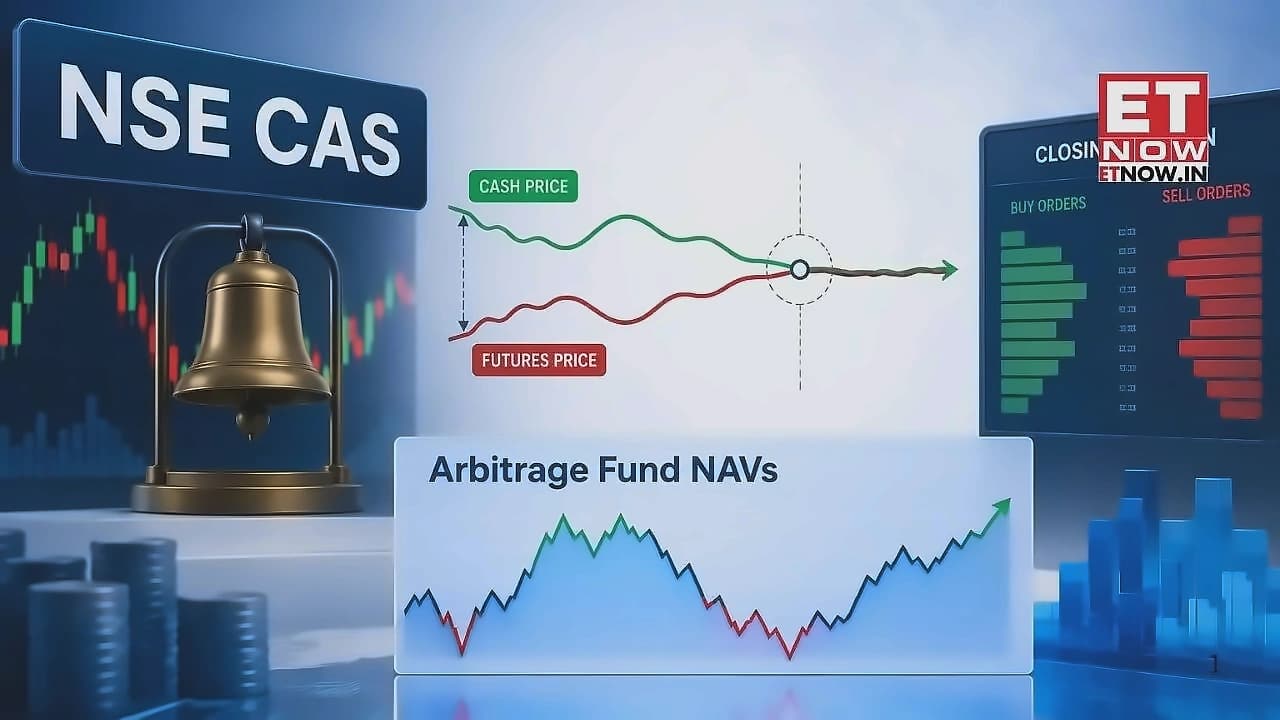
Establishing market manipulation could prove legally challenging, experts said, with low trading volumes or unusual price movements by themselves may not be sufficient to establish market abuse. As reported by NDTV Profit, Sandeep Parekh, Founder of Finsec Law Advisors, explained that "In a newly launched system like CAS with minimal volume, there are bound to be price spikes because of limited number of sellers compared to buyers." He further added that "those who buy in the day and sell in the CAS window cannot be called manipulators. Manipulation requires artificial price or volume." For a transaction to qualify as manipulation, regulators would generally need to demonstrate an intention to distort the price or volume of a security, according to legal experts. Merely showing that a particular trade moved the closing price may not be enough unless there is evidence that the transaction was executed with the objective of creating an artificial price. The initial review is also not necessarily an indication that SEBI has concluded that manipulation took place, with sources indicating the regulator is likely to examine the trading pattern over a longer period before drawing firm conclusions.
Market experts told The Economic Times that much of the volatility is probably driven by weak participation, with traders noting that "Allowing some time for liquidity to develop before shifting to closing auction may have facilitated a smoother transition," according to Mayank Sachan, chief executive officer of Zenskar Research. The Closing Auction Session was introduced to improve the price discovery mechanism at the end of the trading day, with eligible securities brought into an auction process towards the close, with orders matched at a price designed to maximise the number of shares traded. SEBI is therefore expected to focus not only on individual trades but also on broader market structure issues, including participation levels, order concentration and the extent to which trading activity during the auction affects closing prices. Market participants are likely to closely watch the regulator's assessment as any changes to the CAS framework could have implications for institutional investors, traders and the broader price discovery process. SEBI is unlikely to judge the effectiveness or vulnerabilities of the CAS solely on the basis of its first few trading sessions, instead considering a larger data set to determine whether the mechanism is functioning as intended.