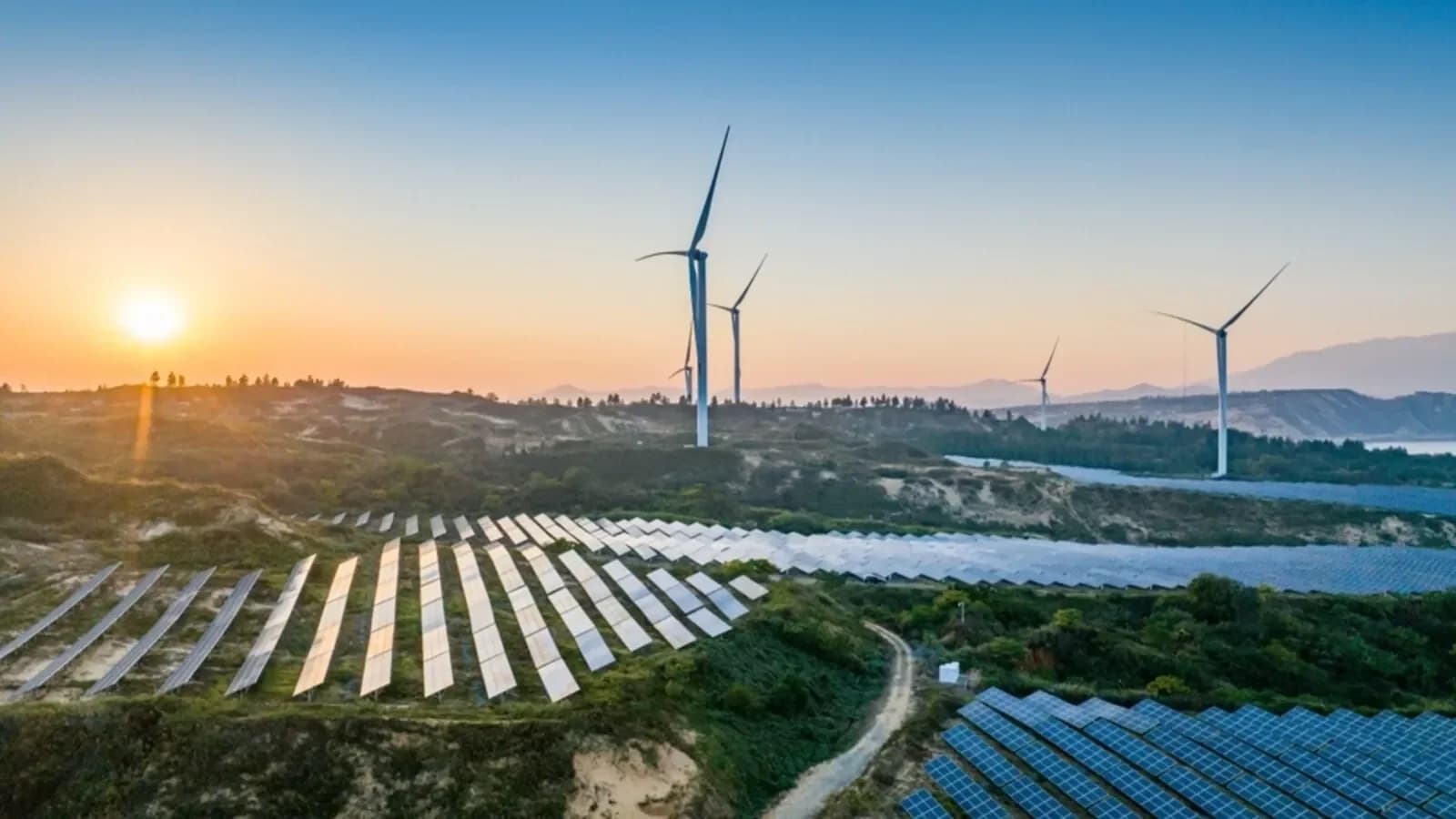
Most renewable energy stocks were trading higher in the afternoon deals on Tuesday, June 9, amid decent buying in the overall market. According to reports from The Economic Times, Emmvee Photovoltaic Power was trading at ₹333.95, up over 1% on the NSE, while Vikram Solar shares were up over 2% at ₹213.49. Waaree Energies was trading over 0.8% higher at ₹3,029 on the NSE, and Suzlon Energy shares were trading 1.23% higher at ₹55.10 apiece on the NSE. However, NTPC Green Energy shares were trading mildly lower at ₹99.60, down 0.18%, while Adani Green Energy shares were trading over 1% higher at ₹1,506.40 apiece on the NSE. The positive momentum in renewable energy stocks aligned with broader market strength, as the NIFTY 50 opened at 23,259.05, up 0.59%, and the SENSEX opened at 74,035.41, up 0.70% in the pre-opening session.
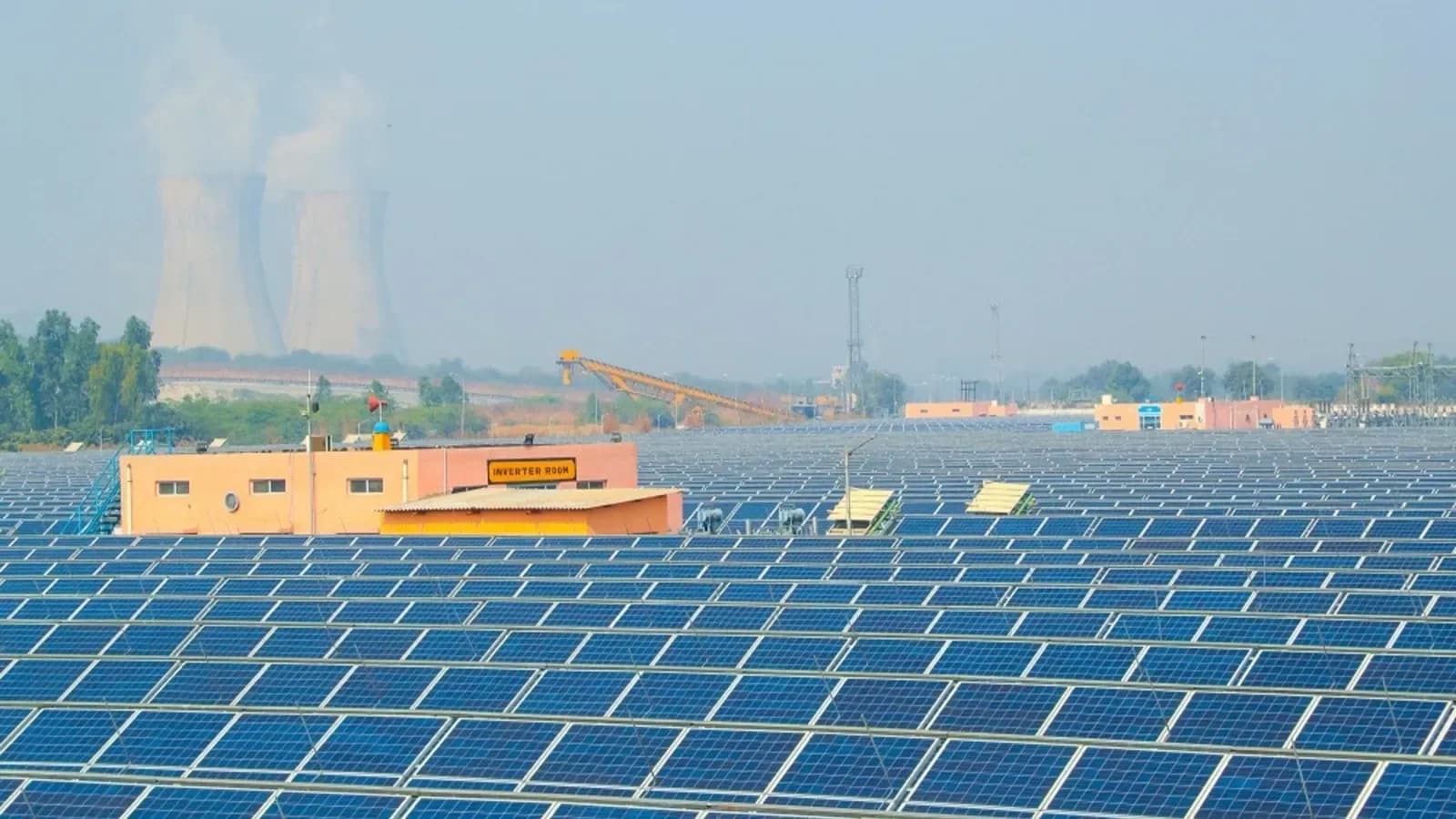
Analysts at Jefferies released a comprehensive report highlighting positive market dynamics for renewable energy. As reported by The Economic Times, they noted that power demand rose in double digits YoY in May 2026, driven by cooling demand, with peak demand hitting record highs. The report indicated that a harsh summer, weak monsoon forecast and high probability of El Niño are expected to sustain demand growth, supporting a pickup in renewable energy tendering in 2HFY27. The analysts emphasized that the domestic PV cell mandate, followed by a domestic ingot/wafer mandate, is expected to favour domestic cell-backed players such as Emmvee and Premier, which have strong balance sheets.
In May 2026, Colliers India released a comprehensive report titled 'The Green Shift: Renewable Prioritisation Reshaping Indian Real Estate', revealing significant land requirements for renewable energy expansion. According to the report, India will need around 7 lakh acres of land parcels, estimated to cost ₹10-₹15 billion, in five years to set up solar and wind energy projects. As reported by The Economic Times, during 2026-2030 calendar years, more than 6.5 lakh acres would be needed for solar projects and the rest for wind energy. The consultant mentioned that solar project costs in India typically range between ₹3 and ₹4 crore per MW, while wind (onshore) projects require about ₹8 and ₹9 crore per MW, depending on the technology deployed.
India's renewable energy sector has achieved remarkable growth, with India's installed renewable energy capacity reaching over 250 GW in 2025, representing a more than threefold increase from around 80 GW in 2015. According to reports from The Economic Times, as of March 2026, around 275 GW of capacity from renewable fuel sources has been installed in the country. The country achieved a historic milestone in July 2025 when renewables met 51.5% of the country's total electricity demand of 203 GW, representing the highest-ever renewable energy share in electricity generation. As of 31 March 2026, a total of 283.46 GW of capacity from non-fossil fuel sources has been installed across the country. The non-fossil capacity addition in 2025-26 stood at 55.29 GW — the highest single-year increase ever recorded, nearly doubling the previous record of 29.5 GW set in 2024-25. India now ranks third globally in renewable energy installed capacity and achieved its target of meeting 50% of cumulative electric power installed capacity from non-fossil sources in 2025, five years ahead of schedule.
A recent study reveals significant employment opportunities in India's clean energy sector through 2030. According to the study 'Driving Energy Transition: Workforce, Skills, and Gender in India's Renewable Energy Sector', conducted with technical guidance from the Ministry of New and Renewable Energy (MNRE), more than 44 lakh full-time jobs are likely to be created by 2030 in the clean energy sector. As reported by The Economic Times, almost 43% will come from the rooftop solar industry, with rooftop solar projected to be the single largest employment engine. The climate think tank Council on Energy, Environment and Water (CEEW) and environment NGO Natural Resources Defense Council (NRDC) India noted that the country's 500 GW non-fossil fuel capacity target and goals under the National Green Hydrogen Mission could generate over 44 lakh full-time equivalent jobs.