The Nifty traded above the 23,900 mark with minor cuts as of latest market data, while the S&P BSE Sensex shed 6.64 points or 0.01% to 76,003.06 at 12:30 ST. The Nifty 50 index slipped 4.75 points or 0.03% to 23,909.85, though the broader market outperformed with the BSE 150 MidCap Index adding 0.38% and the BSE 250 SmallCap Index jumping 0.42%. Market breadth remained positive with 2,188 shares rising and 1,718 shares falling on the BSE, while the NSE's India VIX fell 5.78% to 15.20, indicating reduced volatility expectations. However, the latest data shows NIFTY50 slipped 0.7% to end at 23,547 and SENSEX fell 0.8% to 74,775 in the previous holiday-shortened week, weighed down by persistent FII selling and MSCI rebalancing-led outflows.
Since the onset of the Middle East war between the US and Iran, oil prices have spiked by almost 55% according to reports from Mint. Currently, prices have cooled off to below $100 per barrel as traders eye the scope of fresh peace talks between the two nations, though the ceasefire continues to hang by a thread amid skirmishes near the Strait of Hormuz. The oil price spike, combined with fuel hikes of over ₹7 by the government, has brought inflation back into sharp focus for Indian markets. However, the conflict has created additional market confusion, with gold traders appearing confused amid the Middle East tensions as they struggle to determine whether to buy or sell the precious metal. The rupee also remained in focus after extending gains for the second consecutive week, appreciating by 70 paise to settle at 95 per U.S. dollar, supported by easing crude oil prices.
According to JM Financial Services, the second-order effects will be pronounced if the incremental fuel price hikes are not spread out, which would eventually unanchor inflation expectations. The latest manufacturing PMI survey for April 2026 already shows inflationary pressures across energy, food, fuel, gas, iron, leather, oil, plastics, rubber, steel and transportation. The RBI expects inflation to average 4.6% in FY27, but may have to edge it up at the upcoming MPC meeting in June 2026, as reported by Mint. The recent increase in crude oil prices, along with domestic fuel price hikes, has started changing the outlook, with wholesale inflation showing signs of pressure due to higher global commodity prices. If inflation remains elevated for a prolonged period, it could also reduce the Reserve Bank of India's flexibility to cut interest rates further, potentially affecting economic growth and market sentiment.
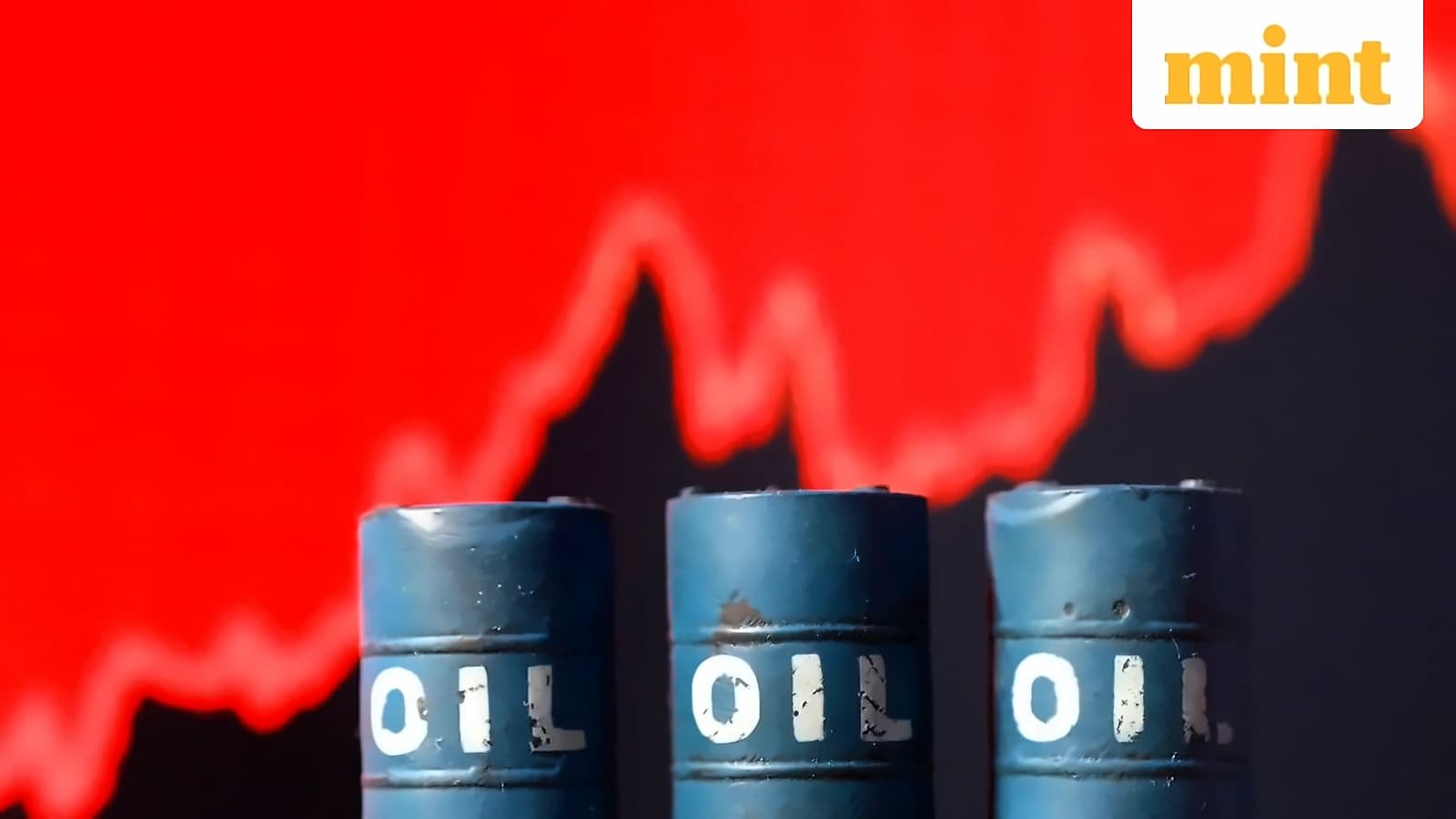
Siddhartha Khemka from Motilal Oswal Financial Services noted that the current FY27 Nifty EPS growth expectations of ~18% were built on materially lower crude assumptions, with Brent sustaining around USD107–111/bbl. Historically, every sustained USD10/bbl increase in crude has translated into a 40–60bp drag on aggregate Nifty margins. However, Nikhil Gangil from Intrinsic Value believes the market has formed what appears to be a long-term bottom after nearly 18–20 months of correction, suggesting the impact may be more selective than broad-based. The NIFTY50 index ended the week on a weak note and slipped below the 23,800 zone, which had acted as an important short-term level, closing below its 20-DMA and 50-day EMA, showing that momentum has weakened again. The initial signs of stress could emerge during Q1FY27 earnings, when companies begin reporting the impact of higher fuel and raw material costs on profitability.
According to Dr Ravi Singh from Master Capital Services Limited, industries such as paints, chemicals, aviation, cement and consumer goods could feel the heat more due to their heavy dependence on raw materials and energy costs. Aviation faces the most severe pressure as airlines are among the most vulnerable sectors during periods of rising crude oil prices, with aviation turbine fuel forming a major portion of operating expenses. Paint and chemical companies rely significantly on crude-linked raw materials, with sustained increases in input costs hurting margins, particularly if demand conditions remain weak. Consumer goods companies may face higher transportation, packaging and production expenses, while cement and infrastructure companies face increased project costs due to fuel and logistics accounting for substantial portions of operating costs. Companies with strong brands, pricing power and loyal customer bases are usually better placed to handle inflationary pressures, though firms operating in highly competitive sectors may struggle to protect margins if consumers resist price increases.