US President Donald Trump has set a Tuesday deadline of 8 PM Eastern Time (00:00 GMT Wednesday) for Iran to reopen the Strait of Hormuz, threatening to decimate civilian infrastructure if the deadline passes without a deal. According to latest reports, Iran has rejected a ceasefire proposal and instead insists on a permanent end to the conflict, raising the risk of further escalation in the Middle East. This development has created additional uncertainty for markets already grappling with Brent crude oil prices that have risen over 60% since the West Asia conflict began on 28 February. The failure to reach a deal would likely trigger a new phase of US military action and a fresh wave of risk-aversion trade, keeping investors on the sidelines.
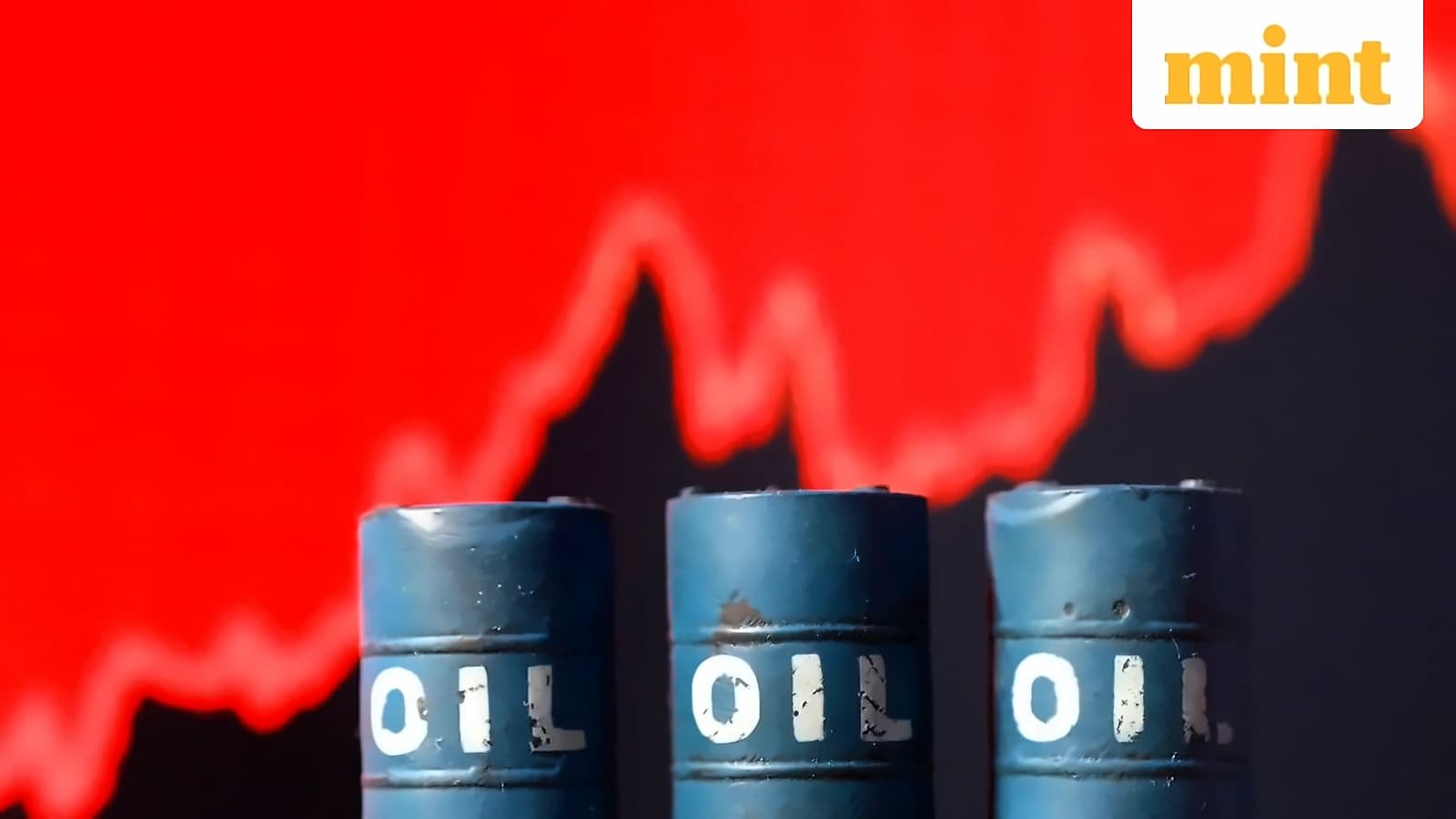
Brent crude oil prices have risen over 60% since the start of the West Asia conflict on 28 February, while the closure of the Strait of Hormuz has effectively disrupted gas inflows to India. According to reports from Live Mint, this surge is already impacting a majority of sectors, from paints, aviation, and FMCG to QSR, with analysts warning that it could compress margins in the near term. The impact was immediately reflected in stock markets, which were among the first to react to geopolitical tensions and were heavily impacted in March, as the 11.3% decline in the Nifty 50 marked its worst monthly performance in six years. Latest market data shows geopolitical uncertainties pushing crude oil prices to a fresh four-week top, fueling inflationary concerns and bolstering bets for more hawkish central banks globally.
Domestic brokerage firm Motilal Oswal has reduced its FY26E, FY27E, and FY28E Nifty EPS estimates by 2.0%, 1.3%, and 1.3% respectively. As reported by Live Mint, the trend of positive upgrades over the past two quarters reversed in March 2026, with the brokerage expecting a softer 10% year-on-year growth in earnings for the MOFSL universe—the lowest in five quarters. The upcoming March quarter earnings will reflect the impact of the Strait of Hormuz crisis, with Motilal Oswal expecting Nifty 50 earnings to grow 6% year on year in Q4 FY26. Additionally, traders are pricing in the possibility of a rate hike by the US Federal Reserve by the end of this year, which turns out to be another factor weighing on investors' sentiment and might keep a lid on any optimism in the markets.
According to JM Financial reports cited by Live Mint, 40% of Nifty companies saw cuts in FY27E EPS in March 2026, with automobiles, infrastructure & ports, pharmaceuticals, insurance, cement, and utilities being the key contributors. The growth in the MOFSL large-cap universe's profit after tax (PAT) is likely to slow to 7% year-on-year, driven by sectors such as oil & gas, automobiles, PSU banks, healthcare, and capital goods. Companies in sectors such as paints and automobiles have been raising prices to offset rising input costs throughout March. The rallying oil prices fuel inflation fears and Fed rate hike bets, further undermining riskier assets and warranting caution for bulls.

Over the last 12 months from March 2025 to March 2026, the Nifty 50 has delivered a return of -5.1%, while FY26E and FY27E EPS estimates have been cut by 7.2% to ₹1,205 and 5.1% to ₹1,385 respectively. As reported by Live Mint, global brokerage firm Goldman Sachs has downgraded its rating on Indian equities and slashed its target for the Nifty 50, expecting MSCI India earnings growth of 8% in CY26 and 13% in CY27, about 11 percentage points below consensus cumulatively over the next two years. The impact is expected to be mainly due to higher oil prices, slower GDP growth and a weaker rupee. The market attention now shifts to the release of the latest US consumer inflation figures, due on Friday, which will include the Middle East conflict period and allow investors to assess the effects of surging oil prices on global markets.