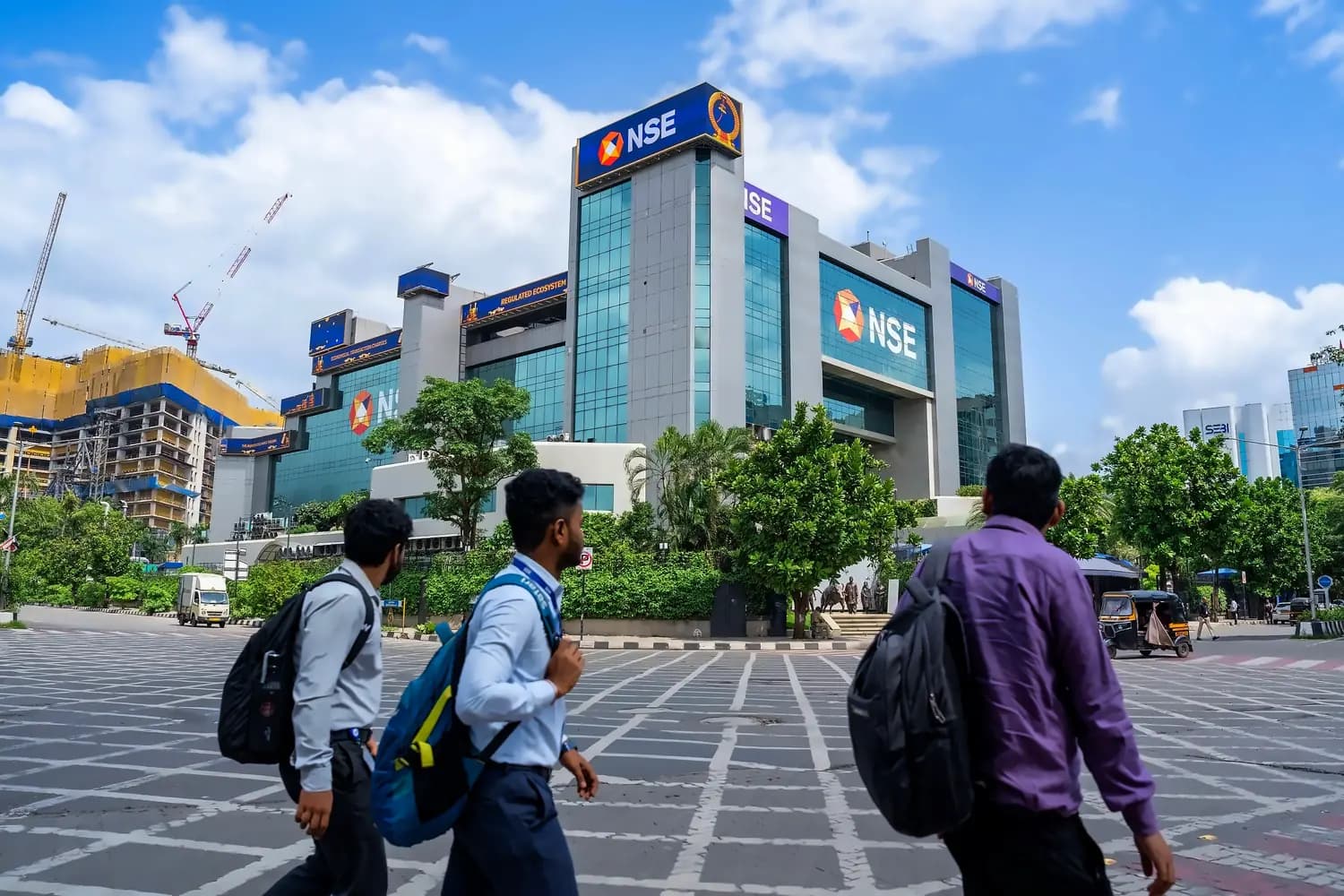
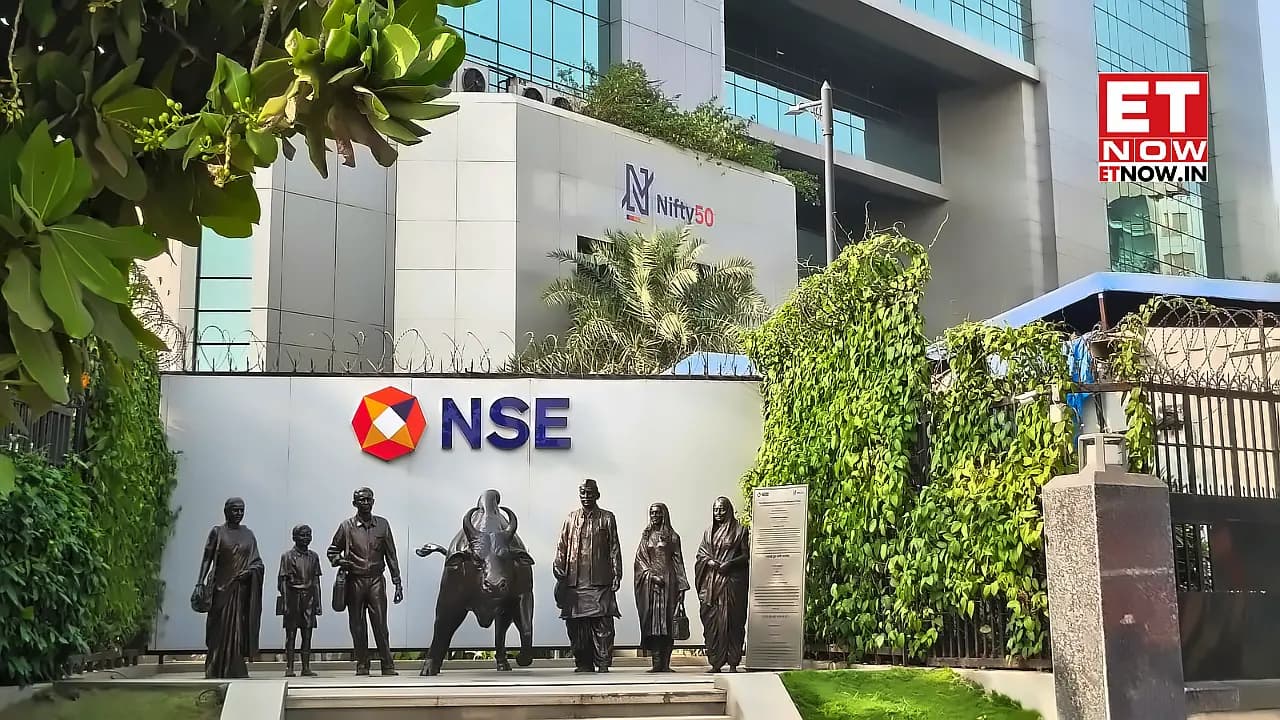
The National Stock Exchange (NSE) has significantly expanded its 'permitted to trade' (PTT) universe this year, adding 250 securities to a segment that had seen little activity in recent years. According to reports from The Hindu BusinessLine, NSE added 106 securities with effect from April 20 and another 144 from August 17. The last addition to the category was in 2022, making this the most substantial expansion in years. This expansion comes at a time when NSE is moving closer to its long-awaited listing and considering whether its own shares could eventually trade on its platform.
The first batch of additions has already demonstrated significant market impact, with average daily turnover rising from about ₹92 crore on the BSE to around ₹400 crore across the NSE and BSE after the securities became available for trading on both exchanges. As reported by The Hindu BusinessLine, this jump in volumes shows the potential liquidity benefit of allowing a security listed on one exchange to trade on another. Under NSE's PTT framework, securities can trade on NSE without being formally listed there, while their primary listing and existing compliance obligations remain with the original exchange.
While PTT allows securities to trade on NSE without listing, companies need to meet NSE's eligibility criteria for a direct listing. According to the report, only 25 of the 250 securities appear to meet the exchange's existing direct-listing criteria. Around 110 companies do not meet the ₹10-crore paid-up capital requirement, while 234 do not meet the revenue criterion and 47 do not meet the positive-EBITDA criterion. Additionally, 214 companies were found ineligible on market capitalisation. As many as 127 of the 250 securities have been subject to surveillance measures such as the Additional Surveillance Measure (ASM) or Graded Surveillance Measure (GSM). The trading activity of the scrip is subject to all surveillance measures like any other listed scrips.
The expansion comes as NSE moves closer to its long-awaited listing, with SEBI giving NSE final approval to proceed with its listing, which is expected by September 25. As reported by The Hindu BusinessLine, NSE has approached the markets regulator on whether its shares could be admitted for trading on NSE under the PTT route after being formally listed on the BSE. SEBI Chairman indicated that the regulator was yet to decide on the matter and that it would require a detailed assessment and could take time. The framework, however, is not directly applicable to a stock exchange seeking to trade its own shares.

The PTT expansion and liquidity generation come at a time when NSE is seeking permission to trade its own shares on the platform, potentially strengthening the case for the proposed arrangement. According to the report, BSE currently has 30 companies under its permitted-to-trade (PTT) category, making NSE's expansion more significant in the competitive exchange landscape. This expansion demonstrates NSE's commitment to enhancing market liquidity and providing trading opportunities across multiple segments.