The benchmark Nifty's estimated price-to-book (P/B) ratio has fallen below 3 times to its lowest level in six years, according to reports from The Economic Times. The one-year forward P/B ratio now stands at 2.96 times, compared with its five-year average of 3.18 times and 10-year average of 2.99 times. This six-year low suggests the Nifty is trading at a more moderate valuation relative to the book value of its constituents.
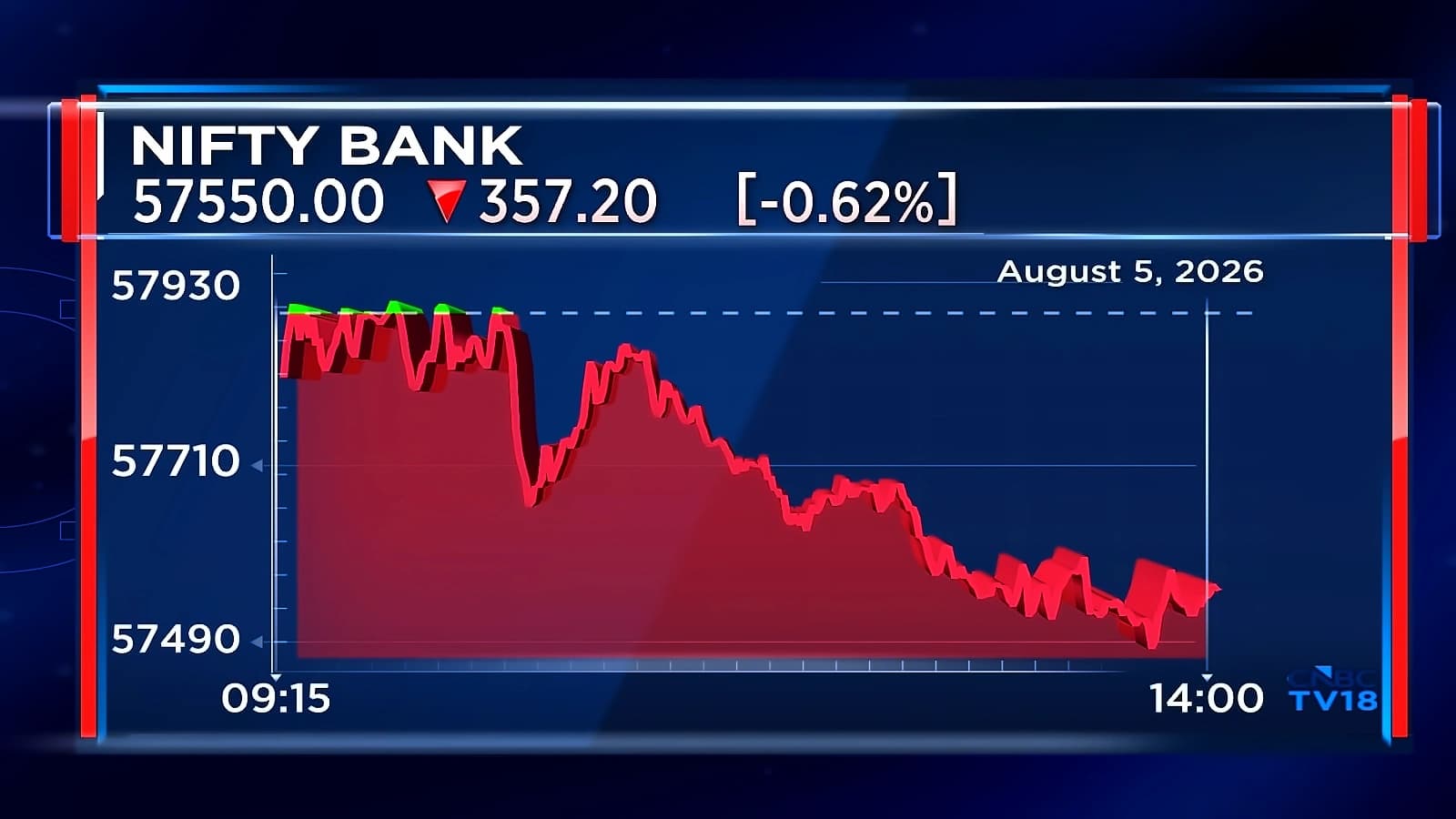
The decline is partly attributed to the index's large exposure to banks, whose shares have underperformed even as retained earnings have added to their book values. As reported by The Economic Times, banks and financial services account for around 35% of the Nifty's weight, the largest sector weight, while earnings growth in the sector has been stronger than other components. Siddharth Purohit, fund manager-equity at InvestValue Capital, noted that while BFSI has a dominant position in Nifty's weight, their earnings growth over the past three years has been better than other components.

The Nifty is down 2.64% over the past year and 1.31% over the past two years, according to The Economic Times. However, the current P/B reading also needs to be viewed in the context of a change in Nifty's book-value methodology. NSE shifted the calculation from standalone to consolidated financials in September 2023, which lowered the reported P/B from 4.31 times to 3.45 times without any change in share prices. On the earlier standalone basis, the current P/B would be around 3.7 times, slightly above the long-run average of about 3.5 times.
For investors, the lower P/B suggests valuations have become more moderate relative to companies' net worth, but it does not by itself mean the market is cheap. As reported by The Economic Times, Vivek Iyer, partner & CIO at Rational Asset Management, emphasized that investors should look beyond the headline valuation multiple and focus on earnings cycle. A lower P/B can result from rising book values, falling share prices or a combination of both, and needs to be assessed alongside earnings growth and the outlook for profitability.