Indian IT companies are positioned for a strong recovery in growth from FY27 as global technology spending shifts from building AI infrastructure to deploying artificial intelligence across enterprises, according to a report by Anand Rathi. The brokerage expects technology spending that was deferred over the past few years to begin flowing back to Indian IT firms from FY27 as generative AI moves beyond experimentation and into wider enterprise adoption. The recovery could strengthen further in FY28 and FY29, potentially creating a multi-year growth cycle for the IT services sector. This transition comes as global technology companies face growing pressure to demonstrate returns on their heavy investments in AI infrastructure, with capital expenditure by the top five hyperscalers expected to reach about $825 billion.
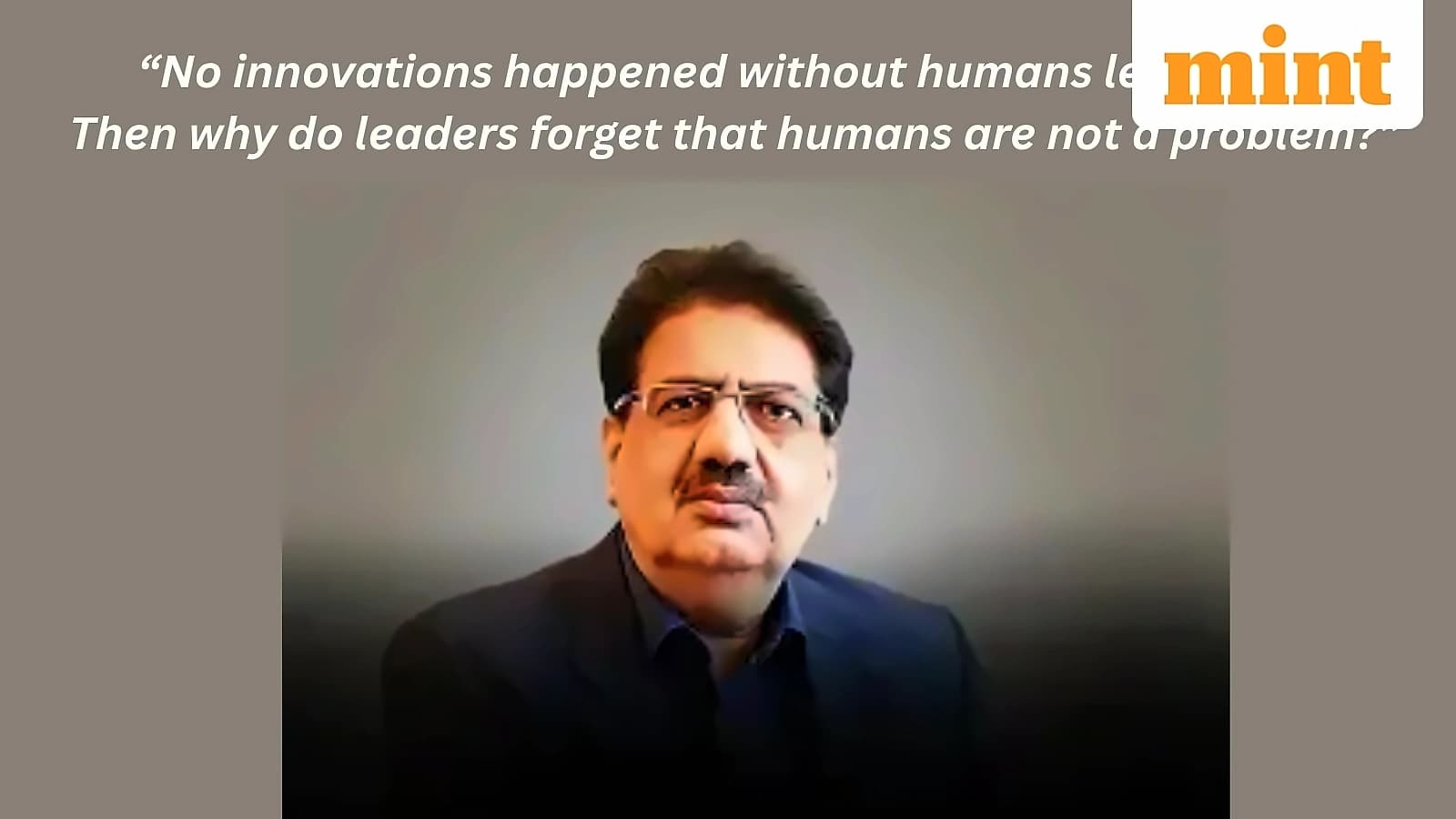
Vineet Nayyar, founder of Sampark Foundation and former CEO of HCL Technologies, has strongly criticised artificial intelligence-led layoffs by companies. According to reports from NDTV, Nayyar argued that all innovations and revolutions have been human-led, questioning why leaders forget that humans are not a problem or commodity to be discarded. Speaking about his book ''Humans First, Machines Second'', he emphasised that people are not a commodity to be thrown away, stating that companies have stopped investing in people and started viewing them as problems. "No revolution happened in the country without humans leading it, no innovations happened without humans leading it. Then why do leaders forget that humans are not a problem?" Nayyar stated, adding that "Humans are not a commodity to be thrown to dogs. We have to understand the responsibility of being humans."
The shift towards AI deployment creates new technology requirements for companies, with AI expanding the total addressable market (TAM) rather than compressing it, according to Anand Rathi. Companies will need to invest in areas such as data preparation, system integration, AI governance, legacy technology upgrades, cybersecurity and the management of AI agents. The brokerage noted that falling costs of technology modernisation could make some projects that were previously postponed economically viable, creating opportunities for IT companies in AI deployment, data optimisation and AI operations. This represents a pivot from the previous phase of "building capacity" to "proving payback" as companies increasingly focus on implementing AI, integrating it into existing systems and generating measurable returns from their investments.
Indian IT companies have already begun reporting meaningful revenue from AI-related services, with Tata Consultancy Services (TCS) reporting annualised AI revenue of $2.6 billion and AI services accounting for 8.2% of Infosys' revenue, according to the latest reports. HCLTech and LTIMindtree have also reported growing revenue streams from AI services. The shift towards enterprise AI adoption comes as global technology companies face growing pressure to demonstrate returns on their heavy investments in AI infrastructure, with boards and chief financial officers increasingly seeking clearer evidence of returns from AI investments.
According to the report, Nayyar believes MSMEs have leverage and scope to use AI as a tool to reimagine goals and achieve more. He stated that most large companies in India are trapped in legacy business and transformation will require significant effort, skills, courage, and investment by boards. In contrast, MSMEs can move faster and focus on reimagining customer delight, customer delivery, and expanding market share using available technology. "Most large companies in India are trapped in legacy business, transformation will take a lot of effort, skills, guts and money by the board. They are moving slow, you (MSMEs) can move fast," Nayyar stated. He recommended that MSMEs should focus on using the technology to innovate in their enterprise, stating "Focus on how you can reimagine customer delight, customer delivery, expand your market share because this technology is available." Nayyar emphasised the importance of retaining human positivity beyond corporate messaging, suggesting corporates should motivate workers to innovate rather than measuring productivity.