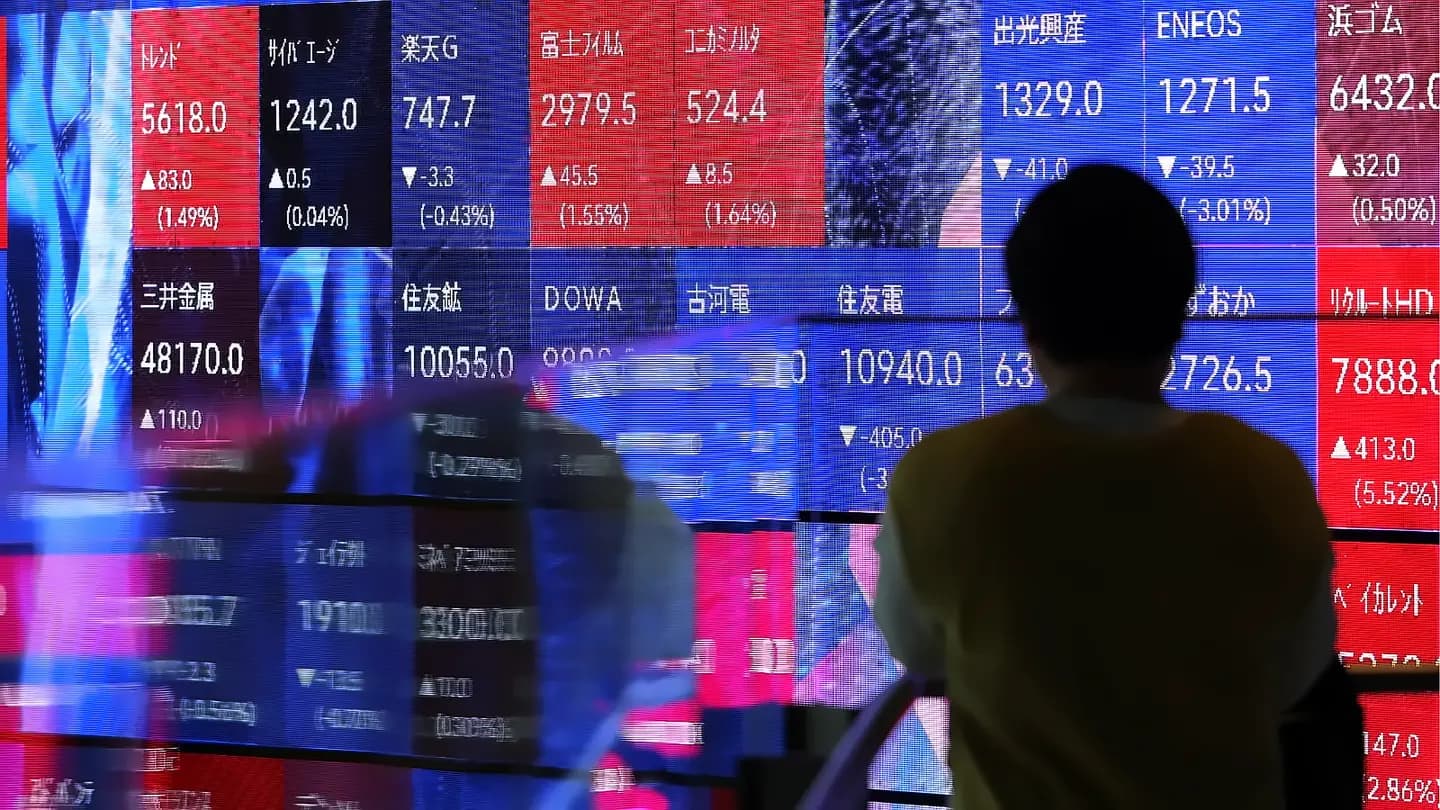
South Korea's Kospi index and the Nasdaq 100 are moving in near lockstep, with their 60-day correlation climbing to about 0.50, the highest level since 2021, according to data from Rayliant Global Advisors and CNBC. This unprecedented correlation reflects the growing interdependence between South Korean and U.S. technology markets, driven primarily by artificial intelligence infrastructure spending. The linkage between South Korea's stock market and the U.S. technology share market is rising rapidly, with Samsung Electronics and SK Hynix effectively becoming proxy indicators of how Wall Street may react when it reopens. However, recent market movements suggest this correlation may be facing new challenges as AI growth expectations face reality checks.
The tightening link between the two markets traces back to artificial intelligence spending, which now ties Samsung Electronics and SK Hynix to the same hyperscaler capital expenditure driving U.S. tech earnings. As reported by Rayliant Global Advisors and CNBC, Samsung and SK Hynix together account for more than half of the Kospi index, making these companies crucial drivers of South Korean market movements and creating direct correlation with U.S. technology performance. Samsung Electronics and SK Hynix show the first liquid market reaction to overnight issues that affect global AI demand, with SK Hynix in particular becoming an important barometer for demand for key AI supply-chain components due to its high exposure to high-bandwidth memory (HBM). However, recent market volatility has highlighted the vulnerability of this correlation to changing AI investment patterns.
Data-center demand made up roughly 40% of global DRAM demand last year, but that figure now exceeds half, with many expecting it to continue rising. According to market analysis, this shift represents a fundamental change in memory market dynamics, with AI infrastructure becoming the dominant driver of demand for dynamic random-access memory products. A change in the demand structure for DRAM used in AI servers is amplifying the trend, with the data-center share of global DRAM demand rising from about 40 percent last year to more than half this year. As Rolf Bulk from Fuchs & Group notes, the KOSPI has effectively become closer to a semiconductor index as a result of this transformation.
The correlation played out dramatically on July 13 when the KOSPI fell more than 8 percent, with SK Hynix plunging 15 percent and pulling the index lower. As reported by CNBC, the Nasdaq 100 also closed down 1.88 percent the same day, including significant declines in Micron (-4%), SanDisk (-12%), and Intel (-6%). Asian investors are increasingly using the South Korean market ahead of the Wall Street open to gauge the intensity of global AI trades, with Samsung Electronics and SK Hynix serving as proxy indicators of overnight AI developments. The timing advantage of Samsung's earnings guidance release two weeks earlier than major U.S. semiconductor companies provides crucial insights into future market correlation patterns, though recent market movements suggest this advantage may be diminishing as AI growth expectations face scrutiny.

Worries are rising about whether such growth is sustainable for companies that have benefited from the AI boom, with Micron Technology's stock having more than tripled for the year following exceptional growth. During the three months through May 28, Micron's revenue more than quadrupled from a year earlier, but recent market movements reflect growing concerns about the sustainability of this growth trajectory. Big spenders on computer memory could pull back on investments if AI does not produce as much profit or productivity as promised, while lower-cost AI models from China could also mean less demand for memory and computing power than earlier expected. These factors are contributing to the recent volatility in AI-related stocks and highlighting the vulnerability of the Kospi-Nasdaq correlation to changing AI investment patterns.