The Indian stock market benchmark indices, Sensex and Nifty 50, are expected to open lower on Wednesday, following weakness in global markets. According to reports from Livemint, Gift Nifty was trading around 23,413 level, a discount of nearly 199 points from the Nifty futures' previous close, indicating a gap-down start for the Indian stock market indices. This follows Tuesday's session where the Sensex declined 114.19 points, or 0.15%, to close at 75,200.85, while the Nifty 50 settled 31.95 points, or 0.14%, lower at 23,618.00. As per Dalal Street Investment Journal, the Nifty 50 index traded within a narrow range of 195 points, its narrowest daily range in the last seven trading sessions, leading to the formation of an NR7 candle with a long upper shadow, signalling selling pressure at higher levels.
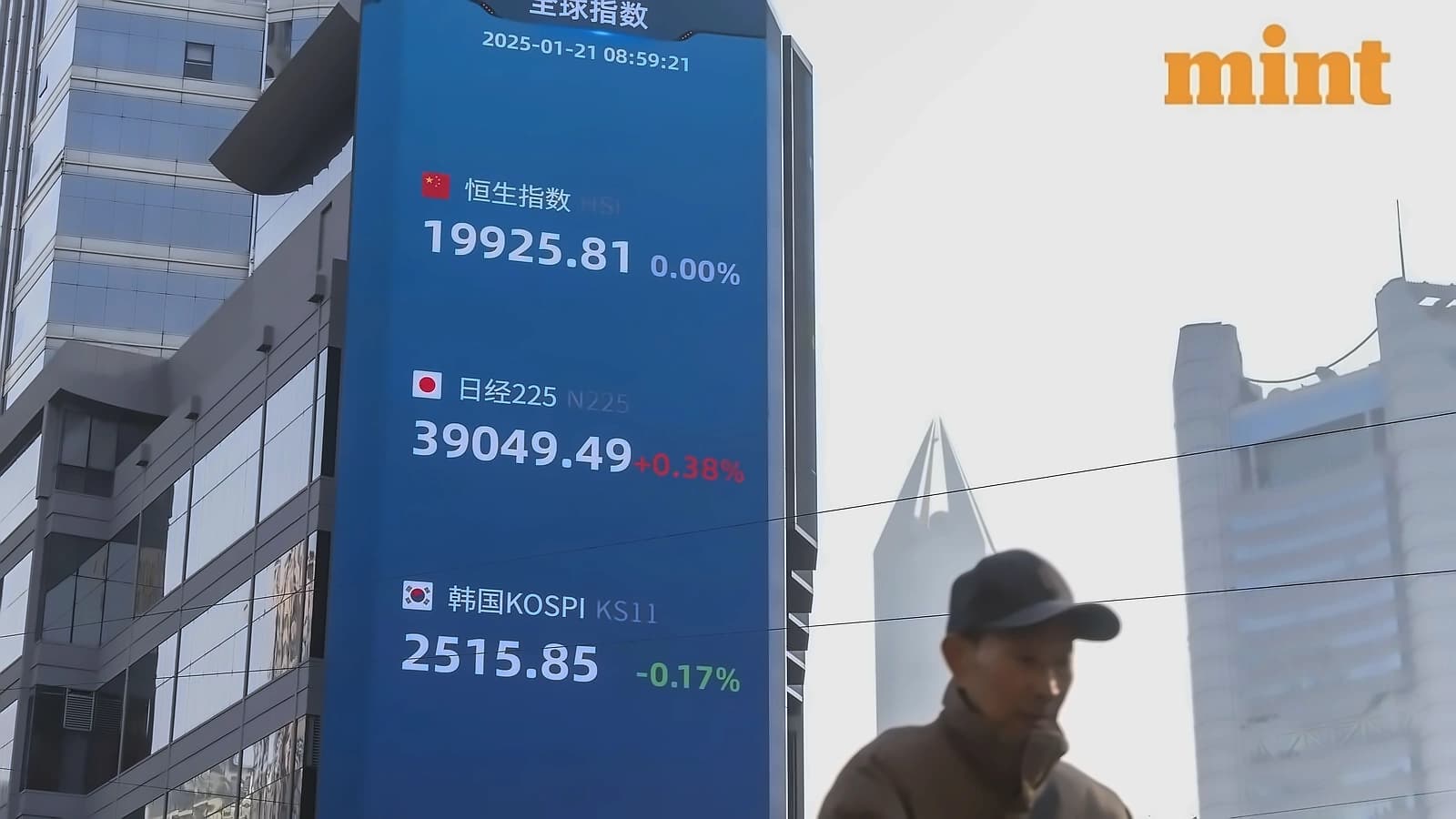
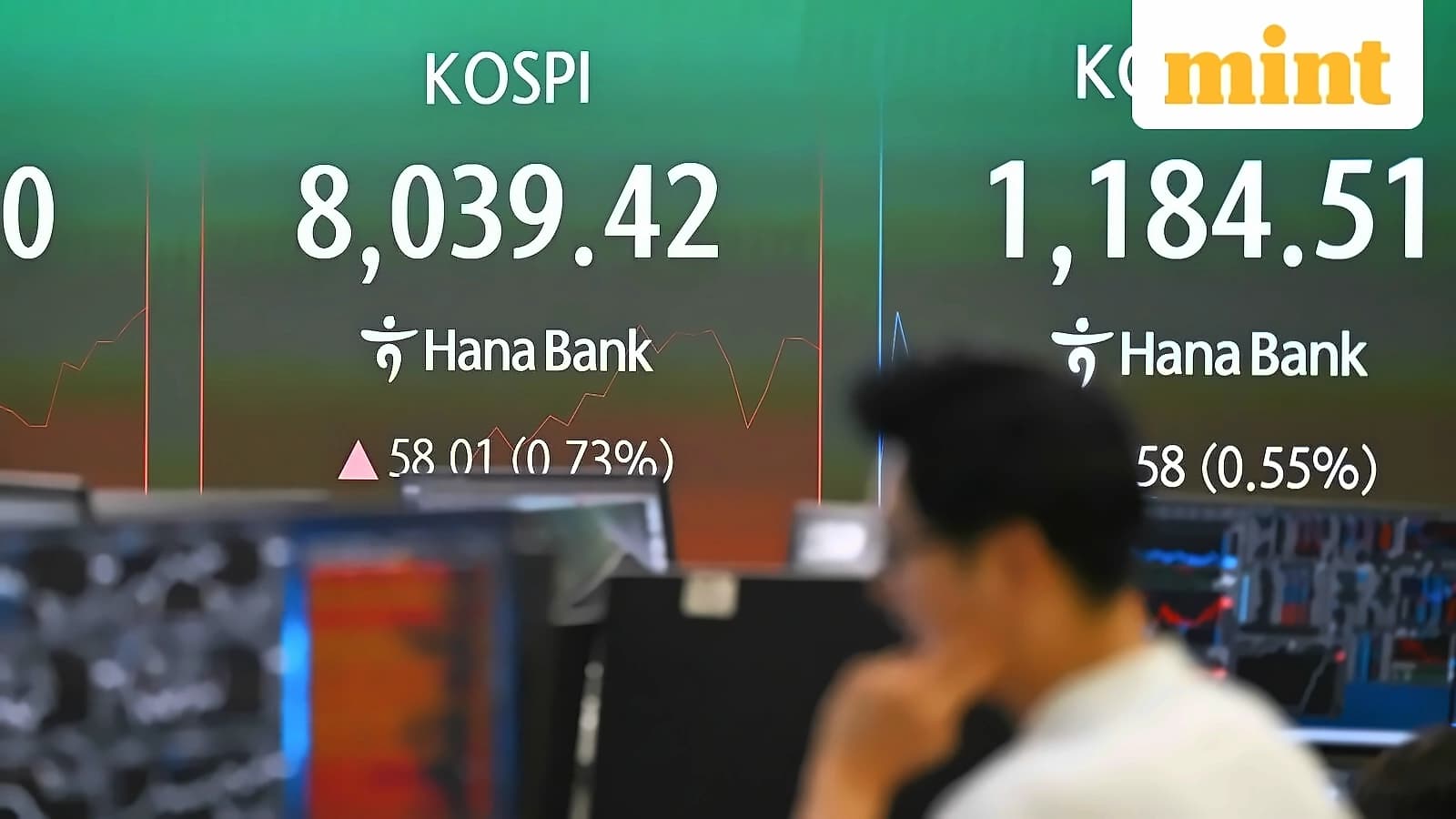
Asian markets traded lower on Wednesday amid elevated bond yields and renewed US-Iran tensions. According to Livemint, Japan's Nikkei 225 declined 0.88%, while the Topix fell 0.75%. South Korea's Kospi dropped 0.52%, and the Kosdaq plunged 2.15%. Hong Kong's Hang Seng index futures indicated a lower opening. The US stock market ended lower overnight, with all three Wall Street indices closing in the red as Treasury yields climbed. The Dow Jones Industrial Average declined 322.24 points, or 0.65%, to 49,363.88, while the S&P 500 dropped 49.44 points, or 0.67%, to 7,353.61.
According to Dalal Street Investment Journal, the Nifty 50 index struggled near the 23,758 to 23,860 resistance zone and formed an NR7 candle with a long upper shadow, signalling selling pressure at higher levels. A decisive close above this band may revive bullish confidence, while a fall below 23,550 could strengthen bears. The index continues to trade within the range of the sizeable bearish candle formed on May 12, 2026. On the upside, a decisive close above 23,758 to 23,860 shall be important for the bulls to regain confidence, which could attempt a move towards the 20-DMA placed around 23,974. However, failure to cross this zone may keep the index under pressure. The hourly chart shows the index continues to trade below the moving average ribbon, while the MACD line remains below the zero line, indicating that the short-term trend still lacks strength.

A key concern highlighted in the latest report is the ongoing geopolitical crisis in the Middle East, particularly the prolonged closure of the Strait of Hormuz, which has now remained shut for over eleven weeks. The disruption has triggered a sharp spike in crude oil prices, with Brent crude sustaining in the USD105–110 per barrel range. According to Emkay Global Financial Services, if Brent crude sustains at USD100 per barrel, India's current account deficit could widen to 2.4% of GDP compared with the pre-shock baseline estimate of 1.3%. In an extreme scenario where crude prices surge to USD130 per barrel, GDP growth could decline further to 5.5%, while inflation may rise to 5%, significantly increasing pressure on policymakers and household consumption.
According to Siddhartha Khemka - Head of Research, Wealth Management, Motilal Oswal Financial Services Ltd, as reported by Livemint, markets are likely to remain sideways-to-under pressure in the near term, as persistent weakness in the Indian rupee and elevated crude oil prices continue to weigh on overall market sentiment and limit broad-based upside momentum. However, Emkay Global Financial Services maintains a constructive stance on Indian equities, projecting the Nifty to touch 29,000 by March 2027 at a target valuation multiple of 19.2x FY28 earnings. The brokerage believes that markets are still under-pricing the potential earnings recovery expected over FY27 and FY28, with expectations of nearly 14% earnings growth over the next two financial years.