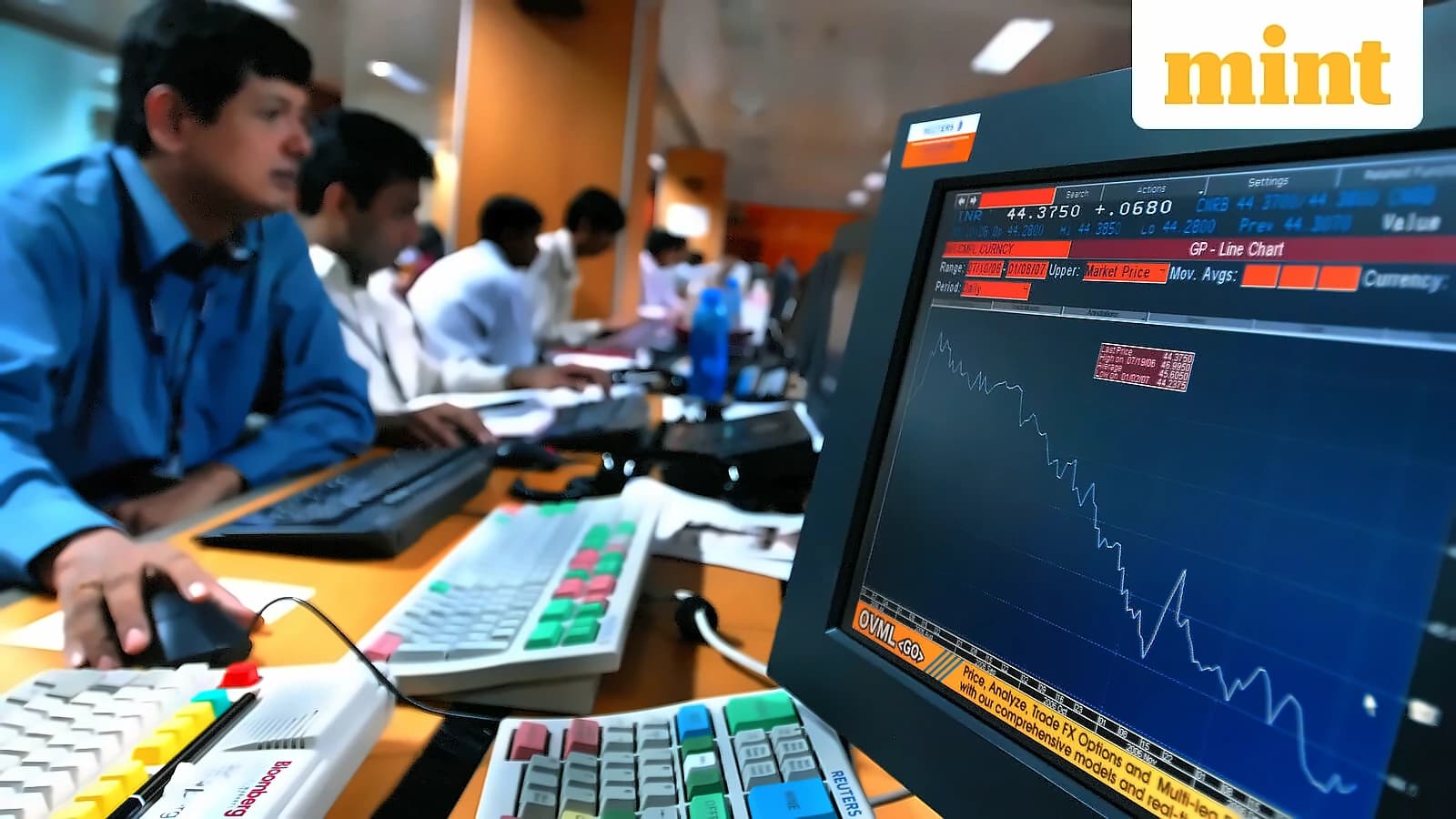
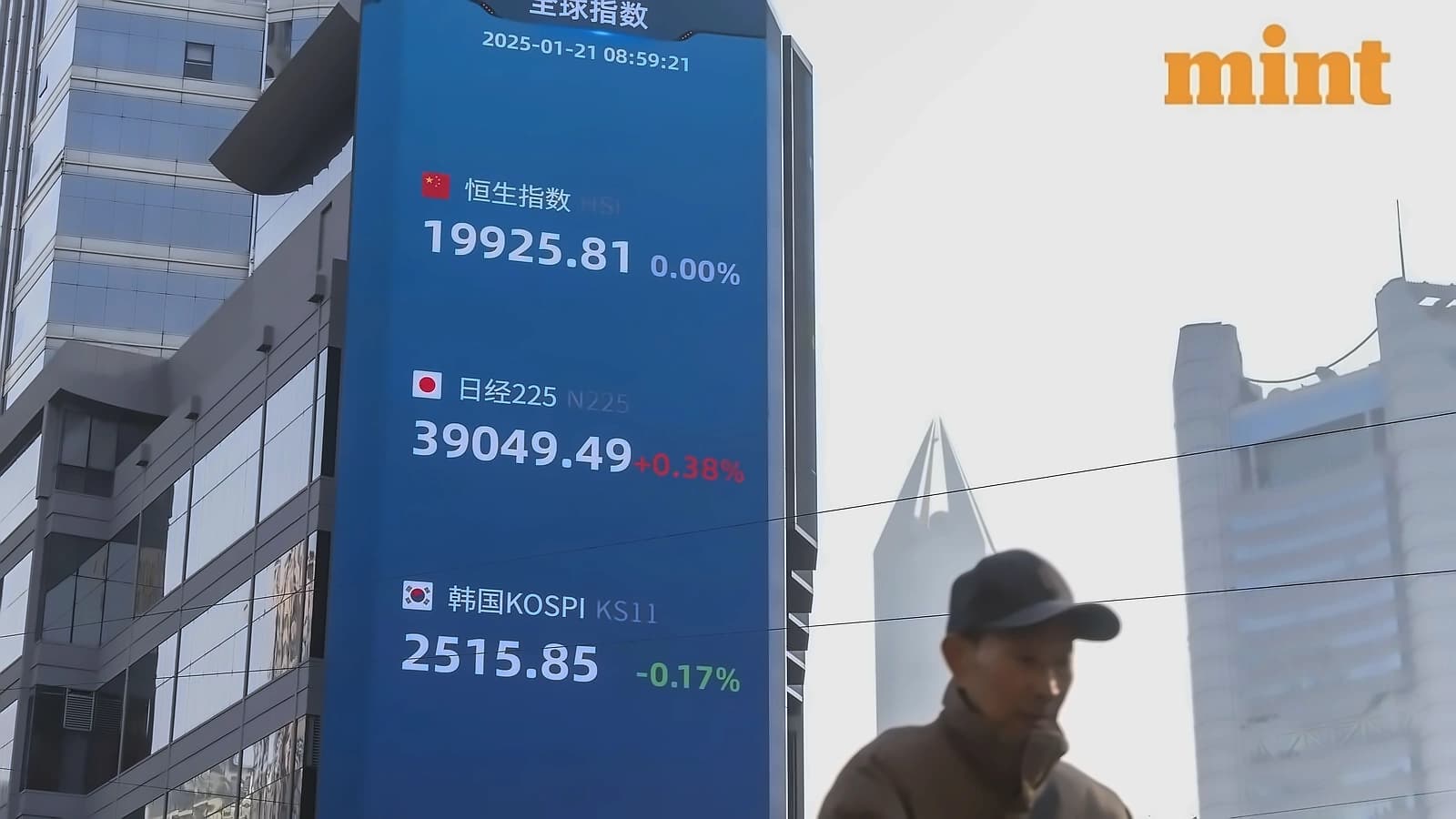
Indian equity markets are likely to open on a weak note as Gift Nifty 23,540 signals a gap-down opening of 120 points, driven by escalating US-Iran tensions and rising crude oil prices. According to The Hindu BusinessLine, the Nifty corrected 2.5% last week, with Pharma and FMCG emerging as key outperformers. Market analysts warn of significant downside risk for Indian equities until the resolution of the Gulf conflict and reopening of the Strait of Hormuz, though they expect normalcy to return in coming weeks with any weakness viewed as an entry opportunity. Emkay Global Research expects discretionary and industrials as key overweights during this volatile period.
Prime Minister Narendra Modi has urged Indians to save fuel and avoid non-essential spending as the country faces mounting economic challenges. This call comes as the Indian rupee has hit a historic low of 96 per US dollar for the first time ever, marking a significant milestone in the currency's decline. The rupee has weakened more than 6% against the U.S. dollar so far in 2026, driven by elevated crude oil prices, inflation worries and continued pressure from global market uncertainty. According to latest reports, the rupee has weakened more than 6% against the U.S. dollar so far in 2026, with the currency's decline reflecting broader concerns about India's current account deficit and capital outflows, with China's economic rise pulling funds from India as investors seek safer havens amid global uncertainty. However, market analysts emphasize that currencies don't weaken consistently without confidence issues underneath, suggesting that foreign investors move based on risk, stability, returns, policy direction, and where they believe stronger growth will happen next.
Foreign portfolio investors (FPIs) have pulled over ₹2.2 lakh crore (~ $26 billion) out of Indian equity markets in 2026 as of mid-May, representing a significant acceleration in capital outflows. This massive withdrawal has created sustained pressure on the rupee and broader market sentiment, with investors moving money based on risk, stability, returns, policy direction, and where they believe stronger growth will happen next. The real question isn't whether one war affected the currency, but why confidence feels fragile enough that external shocks hit this hard in the first place. Market participants note that when global money starts leaving at record pace, it quietly affects everything - the Rupee, markets, inflation, fuel costs, and ultimately everyday life. According to market analysts, when global money starts leaving at record pace, it quietly affects everything, the Rupee, markets, inflation, fuel costs, and ultimately everyday life.
Indian equity markets witnessed significant volatility on Monday, May 18, with benchmark indices opening higher but closing lower amid sustained selling pressure. The Bank Nifty opened with a gap-up at 54,207.75 and registered its intraday high of 54,325.45 during the first half of the session, but sustained selling pressure emerged, dragging the index lower towards an intraday low of 53,628.30 in the second half. The index eventually closed near its day's low at 53,710.35, declining by 418.60 points or 0.77% for the day. Similarly, the Nifty 50 opened with a gap-up at 23,731.40, indicating a positive start to the session, and registered its intraday high of 23,839.30 during the first half. However, selling pressure emerged from higher levels, dragging the index lower towards an intraday low of 23,610.30 in the second half, eventually settling at 23,643.50, registering a decline of 46.10 points or 0.19% over the previous close. According to Sumeet Bagadia, Executive Director at Choice Broking, the formation of a bearish candlestick pattern indicates profit booking at higher levels and cautious sentiment among market participants. Markets ended the week lower, breaking out of their three-week consolidation phase amid lingering geopolitical tensions in West Asia, persistent weakness in the rupee, and rising inflationary concerns.
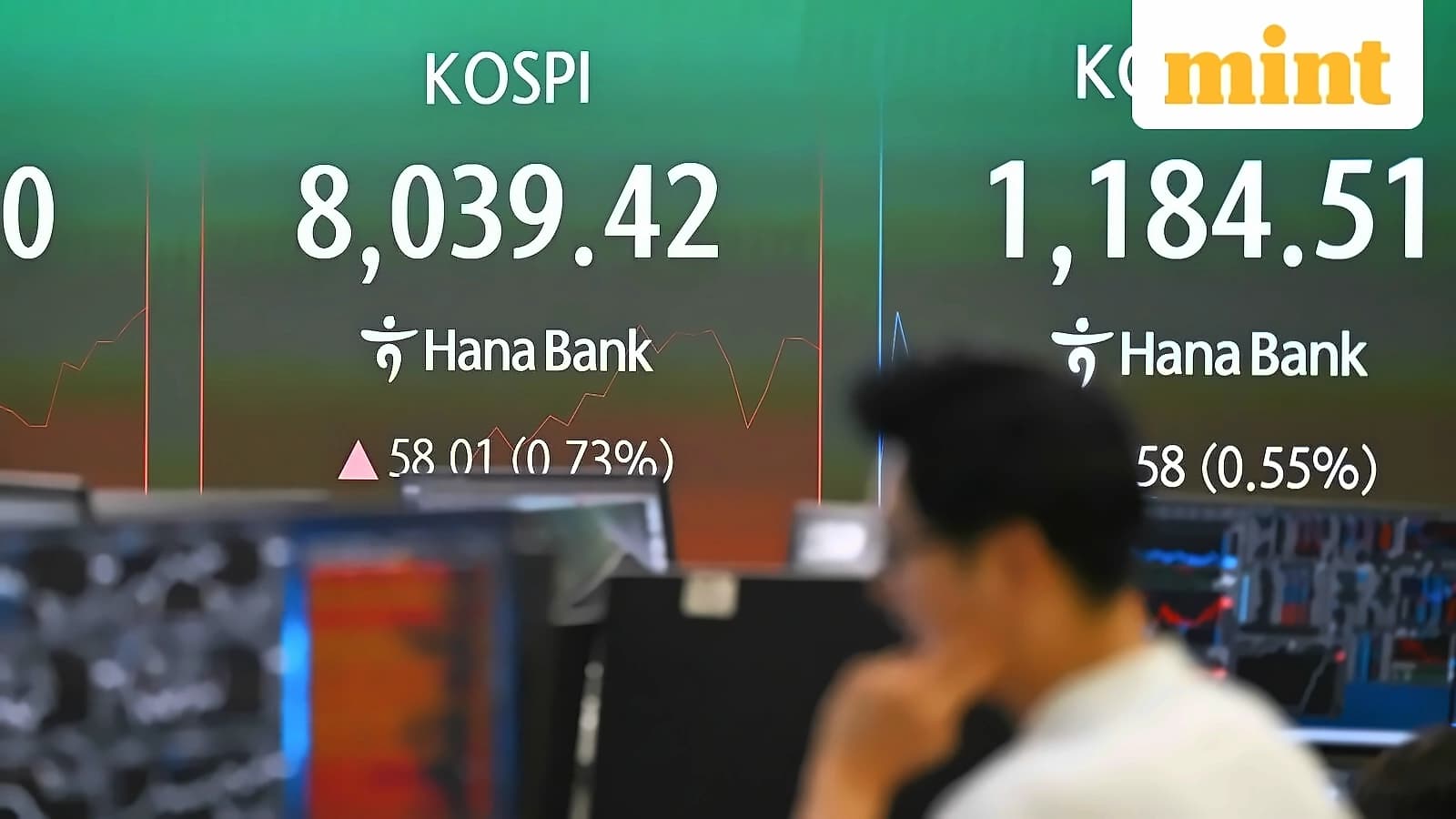
The geopolitical standoff between the US and Iran has entered its third month with no breakthrough in negotiations so far, adding to market uncertainty. In the latest development, Iran said it will soon present a proposal regarding maritime traffic management through the strategically important Strait of Hormuz, which could significantly impact global crude oil supply and increase volatility across financial markets. Crude oil prices surged more than 3 per cent on Friday after comments from US President Donald Trump and Iran's foreign minister dampened hopes of a near-term agreement aimed at stopping attacks and seizures of ships near the Strait of Hormuz. The situation around the SoH remained volatile, keeping Brent in the $105-110/bbl range. U.S. President Donald Trump issued a fresh warning stating that the "clock is ticking for Iran," signalling growing impatience over the pace of negotiations and increasing uncertainty surrounding the ongoing US–Iran situation. The US treasury yields spiked to near their highest in a year, with the yields on benchmark US 10-year notes and the two-year notes at 4.607% and 4.085% respectively. The US Dollar Index (DXY) trading at 99.37 on Monday morning. According to Siddhartha Khemka, head of research at Motilal Oswal Financial Services, India's April CPI inflation data and US inflation indicators, including CPI and PPI figures, would be key triggers for markets. Movements in energy markets and the rupee will continue to influence near-term market direction.