Shares of Bharat Wire Ropes Ltd. experienced their biggest single-day gain in six months, surging as much as 15% on Friday, April 17. According to reports from CNBC TV18, the stock had closed in a 20% upper circuit back on October 27, 2025, making this the most significant rally since that period. The stock was trading 12% higher at ₹212.23 on Friday, with a 30% gain over the last one month.
The stock surge was accompanied by very strong trading volumes with nearly 50 lakh shares changing hands in the first three hours of the trading session, as reported by CNBC TV18. This represents a significant increase from the 20-day average of 68,000 shares at this time of the day, indicating heightened investor interest and substantial market participation in the rally.
Over the last 12 months, the stock has gained 11%, though it has halved in value over a two-year time frame, according to CNBC TV18 reports. For the first nine months of the current financial year, Bharat Wire Ropes reported EBITDA of ₹101 crore, compared to ₹132 crore, ₹164 crore and ₹139 crore in the previous three financial years respectively. The company has also managed to reduce its overall debt to ₹102 crore at the end of the first half of 2026, down from ₹182 crore at the end of financial year 2023.
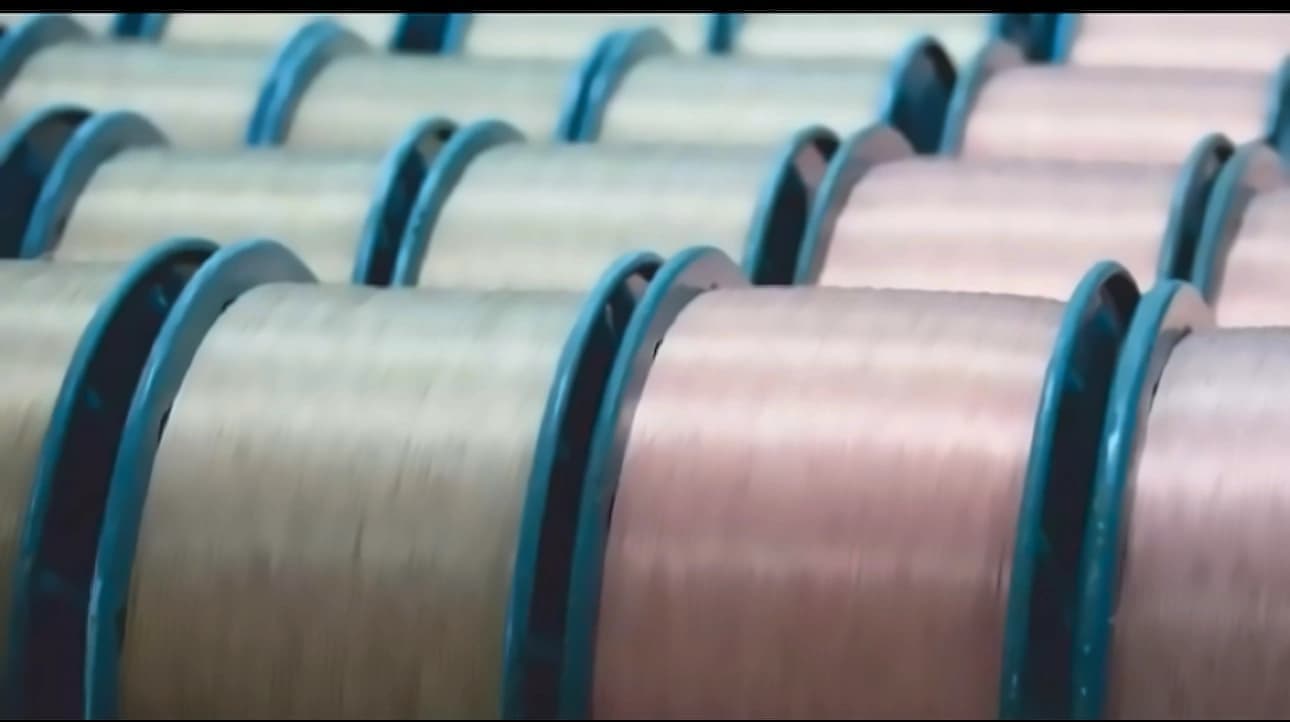
As reported by CNBC TV18, 73% of Bharat Wire Ropes' topline came from exports while 27% came from the domestic market at the end of financial year 2025. The company is a potential client for Lloyd Metal when the latter's wire rod plant comes on stream. The trigger behind the stock's 20% upper circuit in October 2025 was Lloyds Metals promoters buying Compulsorily Convertible Preference Shares (CCPS) of Bharat Wire Ropes from banks.
At the current price, Bharat Wire Ropes shares are trading at 10 times enterprise value to EBITDA (EV / EBITDA) and 17 times its one-year forward price-to-earnings ratio, according to CNBC TV18. Promoters of the company have marginally increased their stake from 39.83% in December 2023 to 41.27% in December 2025. Key triggers ahead include completion of debt restructuring and debottlenecking of capacities, which could drive future performance improvements.