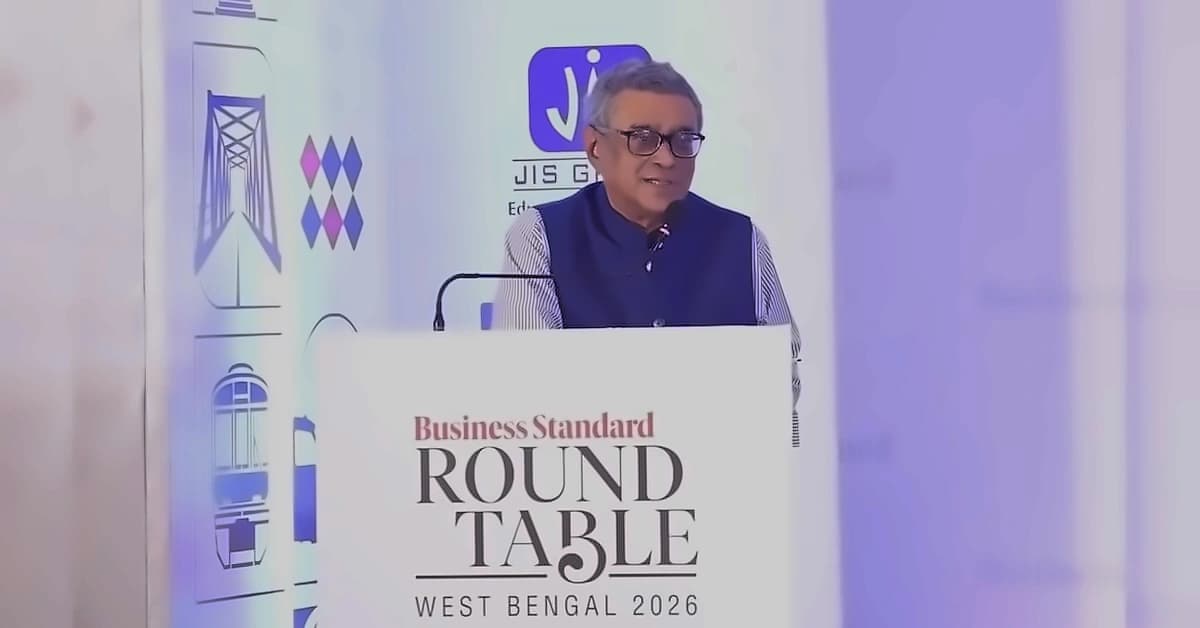
West Bengal Finance Minister Swapan Dasgupta described the economic condition inherited by the new BJP government as 'a devastated area' and 'a state that had become completely dysfunctional'. According to reports from Business Standard, Dasgupta explained that the state faced 'hopelessness permeated into the collective psyche of people' and compounded by 'a sense of loss because West Bengal was not a place that had never tasted development'. The Finance Minister noted that 'for the older generation, it was particularly sad because they were the left-behinds' with their children and grandchildren finding success elsewhere.
Dasgupta outlined three structural changes the economy must undergo over the next five years, as reported by Business Standard. The first involves linking West Bengal's economy to the national economy, noting that 'it was erroneous, for the past 50 years and under two successive governments, to imagine that West Bengal operates as an island'. The second focuses on changing the manner in which business is viewed, addressing 'the legacy of militant trade unionism in the 1960s, the turbulent Naxalite period, followed by the Left Front's approach towards industry, and finally, the Singur catastrophe'. The third emphasizes making the state attractive, calling it 'a monumental project' requiring 'walking that extra mile to bring business back to West Bengal'.
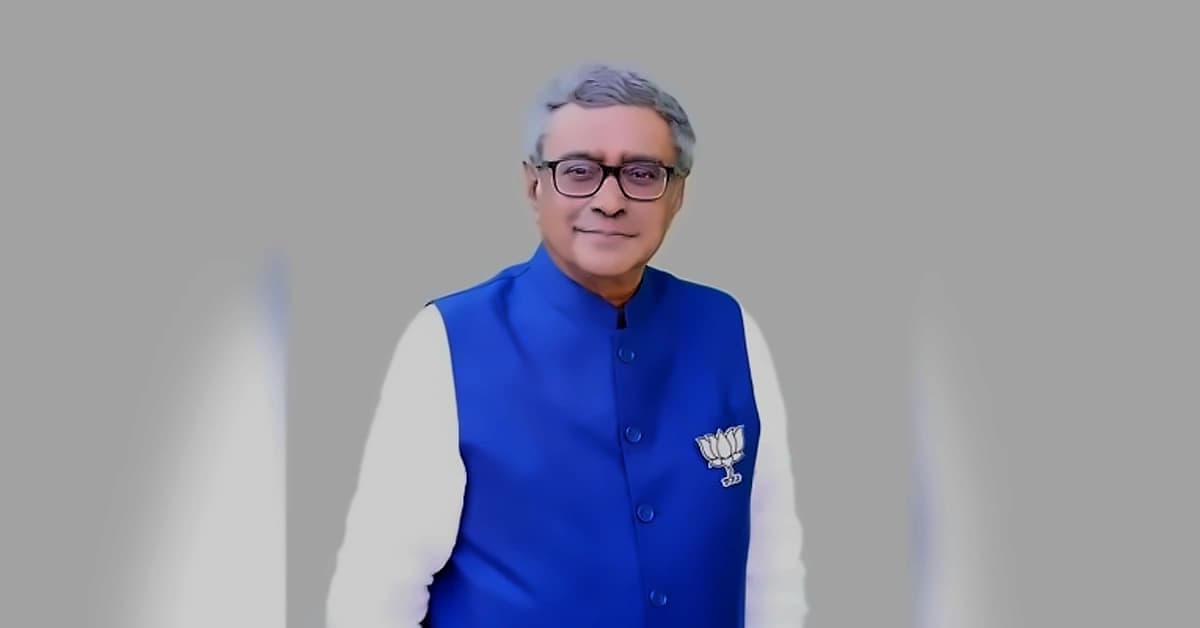
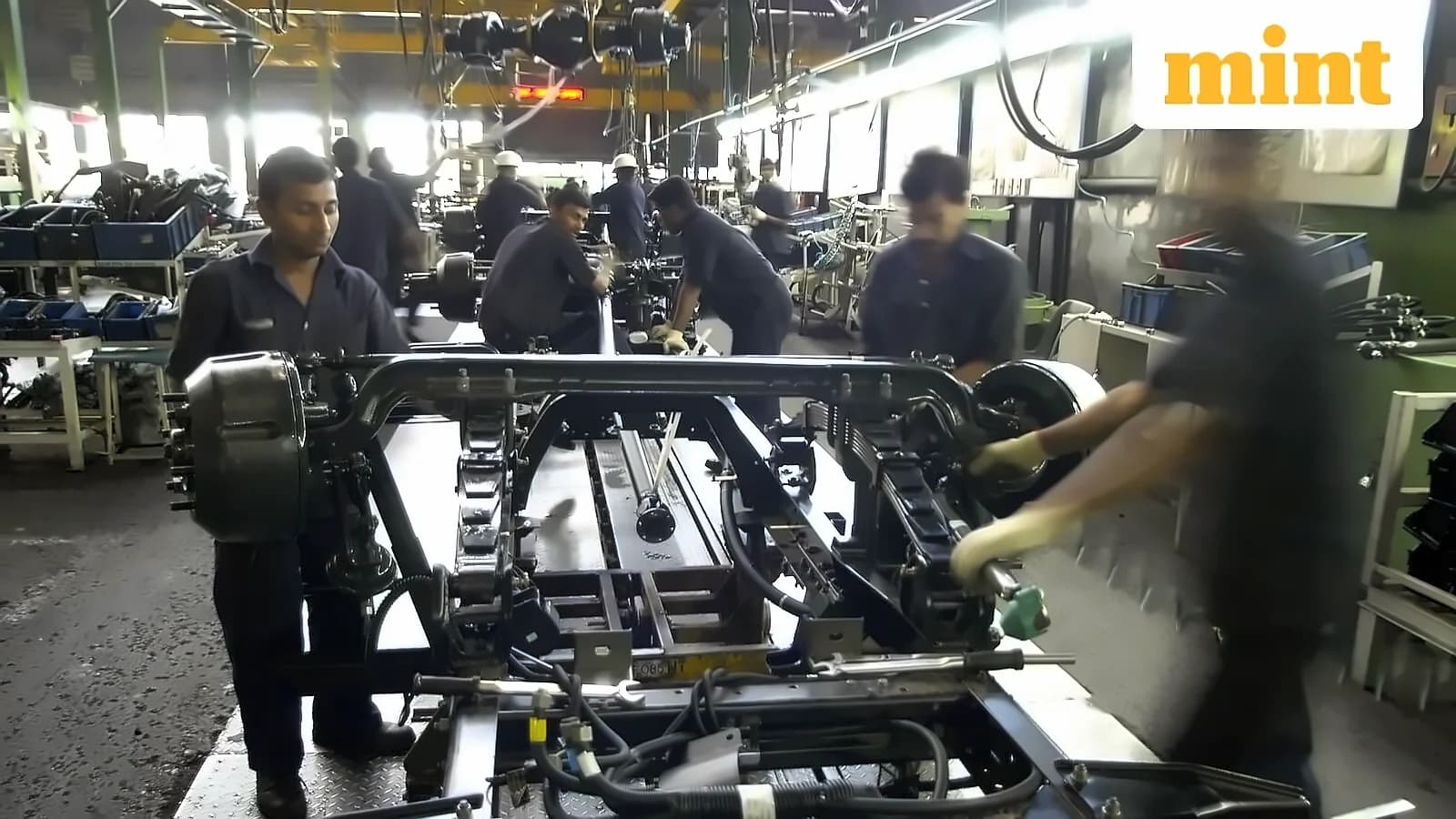
The Finance Minister announced a ₹5,000 crore incentive scheme for industry in the Budget but acknowledged it is 'not enough' according to Business Standard reports. Dasgupta stated that 'we'll announce an industrial policy by August 15' and 'also announce the GCC policy' which will not be adequate on its own. He emphasized the need for 'a big breakthrough somewhere' and 'a big project' to attract investment, noting that 'investment decisions are not casual' and 'people are going to watch' factors like 'quality of governance, law and order, and evidence that the people are with the government'. The government plans to 'leave no stone unturned' in securing major industrial projects.
With one of the highest debt-to-gross state domestic product ratios, West Bengal has limited fiscal space, making central assistance critical as reported by Business Standard. This fiscal reality underscores the urgency of Dasgupta's call for 'integrating back into the national economy' by aligning more closely with the Centre. The Finance Minister's emphasis on 'plugging into the national economy' reflects the state's recognition that 'it was erroneous for the past 50 years, for two successive governments, to imagine that West Bengal operates as an island'.
According to Business Standard reports, Dasgupta expressed 'optimism' about West Bengal's revival prospects, noting that 'in two months' time, the atmosphere has changed' and 'in the past, if you spoke of West Bengal, you would be laughed out of court'. The Finance Minister acknowledged that 'investment decisions are not casual' and that 'people are going to wait and watch' factors like 'quality of governance, law and order, and evidence that the people are with the government'. He emphasized that 'the first five years will be crucial in setting the tone' and stressed the need for 'a big project' to drive the state's economic transformation, while acknowledging that 'this is not a project that can be accomplished in five years' but 'those five years are very important in setting the tone for West Bengal'.