India has emerged as the second-loneliest country in the world, according to a study by JB.com, highlighting a stark demographic transformation that is reshaping urban markets. The country is experiencing rapid urbanization while traditional social structures thin out, creating new economic opportunities around addressing isolation. India's elderly population is projected to more than double from 100 million in 2011 to roughly 230 million by 2036, representing about 15% of the population. By 2050, nearly one in five Indians will be 60 or older, creating significant market opportunities for companies addressing social isolation and loneliness.
A new study by People Research on India's Consumer Economy (PRICE) and Tata Sons reveals significant growth in India's middle-income consumer segment. According to the study, middle-income households with incomes between ₹6 lakh and ₹36 lakh per annum at 2025-26 prices have doubled over the past decade to account for over half (53%) of all 62 million households across India's top 100 cities by 2025-26. This cohort is expected to rise to over 60% of the 80 million-odd households over the next five years (2030-31). At an average family size of 4.6, this translates into a cohort of around 200 million consumers who are approaching crucial income thresholds for discretionary spending.
The study highlights the concentration of economic activity in India's top urban centers. According to the research, the top 100 cities account for 19% of India's population, 35% of income, 31% of spending, almost half (47%) of households' surplus income, and almost two-thirds of all urban demand. The study classifies these cities into four urban groupings: Big Six (six metros with population over 10 million), Boomtowns (19 with population between 2.5 million and 10 million), Breakout Cities (25 with population between 1.5 million and 2.5 million) and Frontier Cities (the remaining 50 with population between 0.5 million and 1.5 million). The study documents a significant structural shift in India's urban income distribution, with middle-income households spread evenly across population clusters, making up 63% of households in the Big Six by 2031, 59% in Boomtowns, 57% in Breakout Cities and 56% in Frontier Cities.
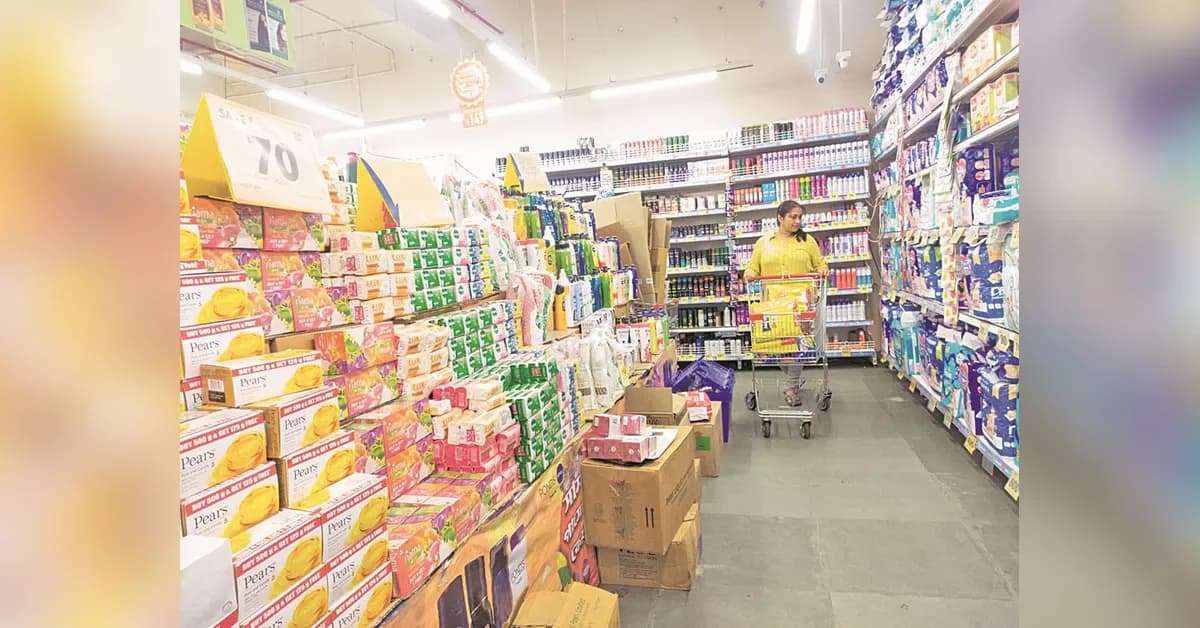
As consumer companies look beyond crowded urban markets for growth, micro-markets have emerged as a key strategy with companies like Tata Group-backed Trent focusing on expanding across these highly segmented, untapped regions. According to Equirus Securities analyst Ronak Shah, "If we look at any FMCG company pre-Covid, a large part of the focus was on the urban markets. A lot of the big names such as HUL and Nestle already have almost 100% coverage in the urban market. Thus, penetration into tier-2, tier-3, and rural markets becomes important from an incremental growth perspective." Companies are now expanding into tier-2 and tier-3 cities, with non-metro stores driving growth expansion beyond urban markets. Recent developments show that rising rural incomes are reshaping demand across India's urban markets, with rural demand growth continuing to outpace urban demand led by higher agricultural wages and favorable monsoons.
The loneliness crisis is creating new economic opportunities as the government implements comprehensive programs to address social isolation. Atal Pension Yojana subscriptions have surged from 1.54 crore in March 2019 to 8.27 crore by October 2025, with assets under management crossing ₹49,000 crore. The Indira Gandhi National Old Age Pension Scheme reaches around 2.21 crore beneficiaries, offering ₹200 a month to those aged 60–79 and ₹500 to those 80 and above. The government has also launched Ayushman Bharat-PMJAY offering ₹5 lakh annual hospitalisation cover to vulnerable households, with free treatment benefits for about 6 crore senior citizens aged 70 and above covering more than 40 lakh seniors by January 2025. These programs, while not explicitly called loneliness programs, address the conditions that make isolation more likely, including widowhood, frailty, and financial insecurity.