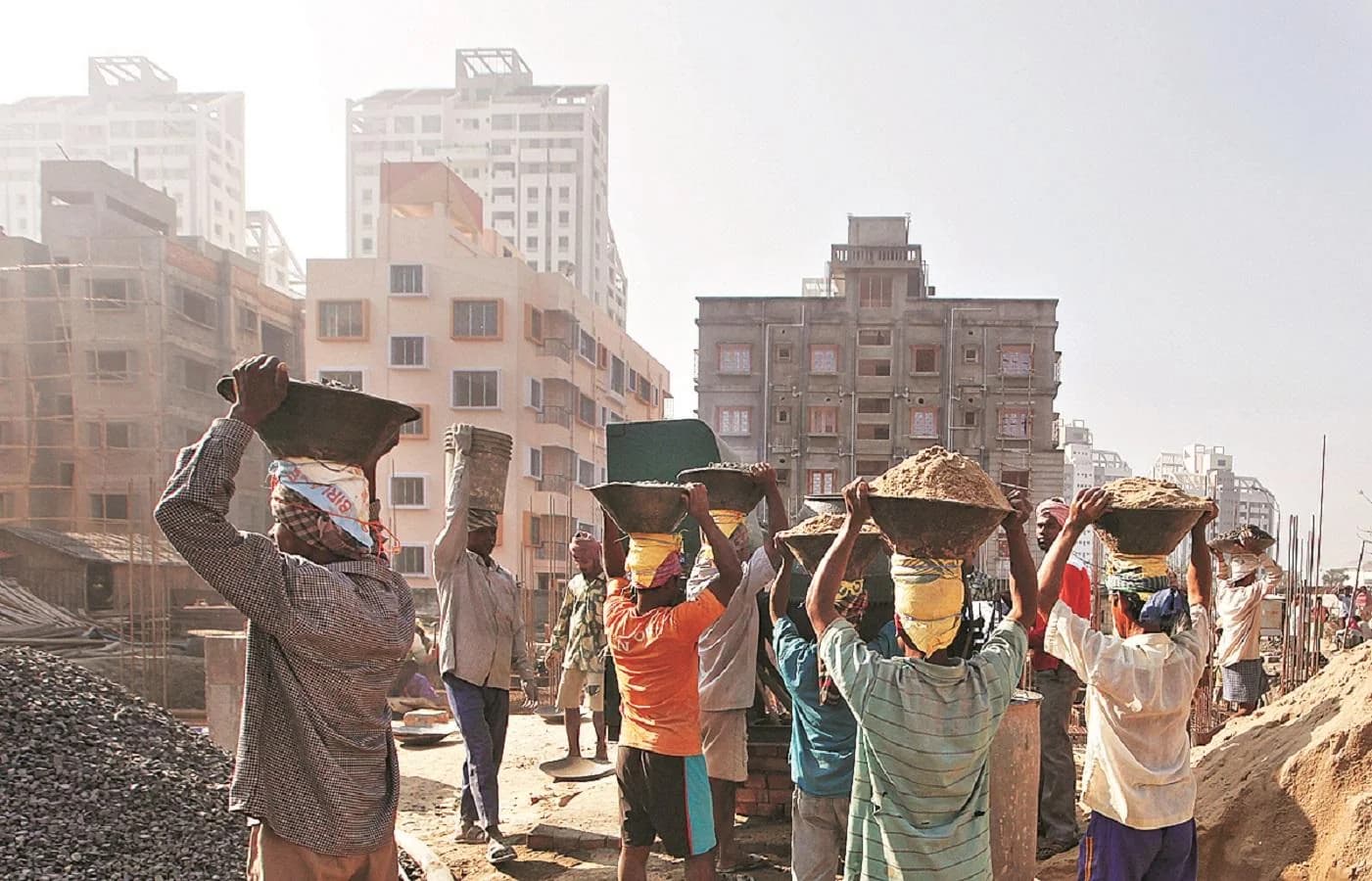
Companies across Kerala, Tamil Nadu, and Karnataka are experiencing significant worker shortages as migrant labourers remain hesitant about returning immediately. According to industry sources, employers attribute the delay to concerns over possible job losses linked to the economic effects of the West Asia conflict, cooking gas shortages, the approaching monsoon season in the South, and rising temperatures. As reported by Business Standard, nearly 13 million migrant labourers from northern and eastern India are employed across these three states, making the shortage particularly severe. The current crisis is being compounded by the Iran war, which is fueling a broader economic crisis that is affecting labour migration patterns across South Asia.
The current situation reflects broader changes in labour migration patterns, with workers from West Bengal and Assam returning home to vote in recent elections. According to Benoy Peter, executive director of the Centre for Migration and Inclusive Development (CMID), West Bengal recorded 92.47% voter turnout, the highest since Independence, while Assam registered 85.96%. Peter noted that unlike previous years, almost all workers from these states went home to cast their votes, largely due to concerns related to the Special Intensive Revision (SIR) of electoral rolls.
Kerala faces the most significant impact among the affected states, particularly in sectors such as hospitality, hotels, and real estate. According to CMID data, Kerala employs around 4 million migrant labourers, with nearly 70% from West Bengal and Assam. Raju John, director general of the Builders Association of India, confirmed that employers have offered flight tickets, salary hikes, and arranged luxury buses to bring workers back, yet many remain reluctant to return. The state's large dependence on migrant workers from these northern states has created particularly acute supply constraints, with the current heatwave making conditions even more challenging for returning workers.
The extreme heatwave conditions are creating additional challenges for workers who have already been hesitant to return to southern states. As reported by The Times of India, temperatures are crossing 45-50 degrees Celsius in many regions, with outdoor workers facing the most severe impact. Street vendors and rickshaw pullers are particularly affected, as they cannot afford to stay indoors during the day when income is generated. Ramdhan, a street vendor in Noida Extension, noted that extreme weather keeps customers away during the daytime, making it financially difficult to continue working. The heatwave is also putting pressure on electricity and water supplies, with people facing power cuts just when fans and coolers are needed most.
Industry representatives indicate that the shortages are forcing companies to reconsider their labour strategies amid changing migration patterns and extreme weather conditions. According to G Ramesh, chairman of the Layam group, every industry in South India is affected, with developments in states like Uttar Pradesh, Bihar, and Jharkhand having cascading impacts. He noted that wage expectations are rising significantly, with workers seeking ₹30,000 to ₹33,000 per month for welding jobs, compared with the previous average of around ₹20,000. The effects are particularly visible in Tiruppur, Tamil Nadu's knitwear hub, where exporters report labour shortages affecting production capacity, with units operating at only 70% capacity.