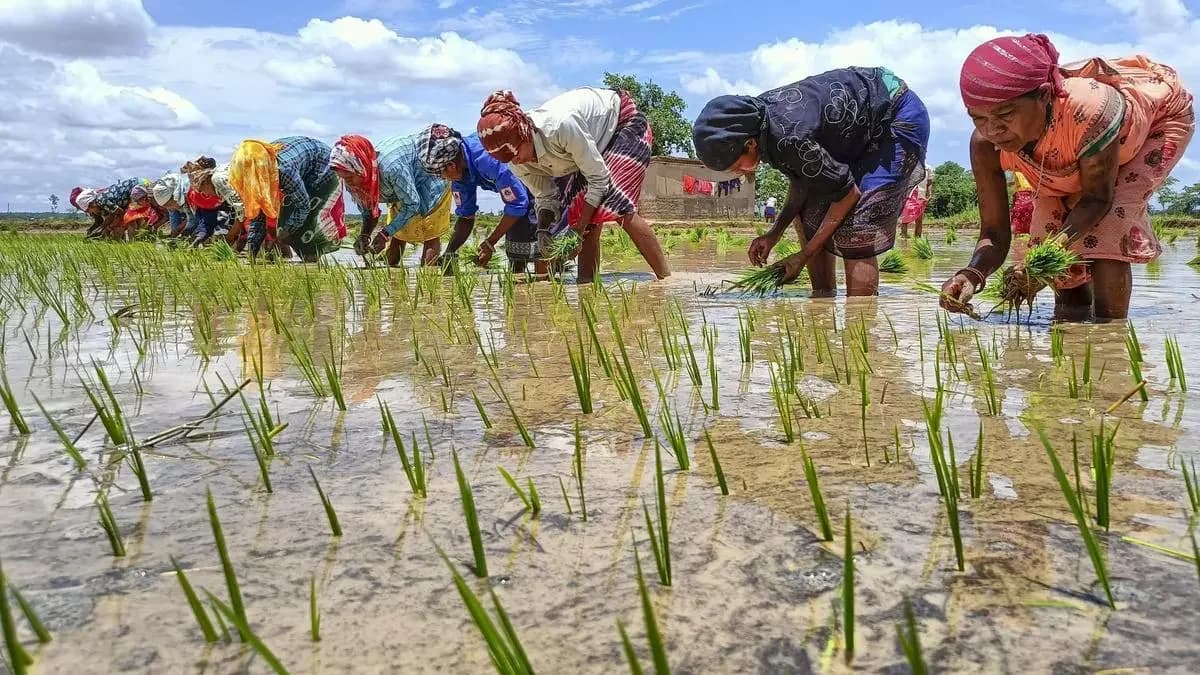
According to reports from Business Standard, financial literacy among Indian women stands at around 24 per cent, dropping sharply in tribal regions. This significant gap exists despite the widespread availability of bank accounts, creating a situation where account access without financial confidence amounts to exposure rather than inclusion. The feminisation of agriculture and care work has made women the primary managers of their families' financial lives, yet they are too rarely given the knowledge, confidence, and institutional support to manage with authority. This challenge is not unique to India, as global youth banking programmes like the GCB Youth Banking Programme in Ghana demonstrate similar needs for financial education and confidence-building among young people.
As reported by Business Standard, Kalibai from the Aravalli foothills of south Rajasthan experienced ₹40,000 in unauthorized withdrawals from her bank account before attending a financial literacy meeting organized by Shram Sarathi, a grassroots financial empowerment organization supported by the Tata Trusts. After meeting community advisor Kamla and receiving one-on-one consultation, Kalibai gained the confidence to demand accountability and file a case against the bank. Her transformation from silence to assertiveness demonstrates how financial literacy can empower women to claim their rights and lead family finances with confidence. Similar transformation stories emerge from youth banking programmes worldwide, where participants learn essential financial practices like budgeting, account management, and digital banking safety.
According to Business Standard, India's digital financial ecosystem is expanding rapidly, but this acceleration brings increased exposure to sophisticated fraud, phishing calls, and opaque microfinance schemes that disproportionately target those newest to the system. The circular migration pattern where men move to cities for construction work while women manage households has become a defining feature of rural economies, creating an unacknowledged reality that women are now the primary managers of family finances. As financial services continue to evolve, young people need to understand how to use digital platforms safely and responsibly, with programmes like the GCB Youth Banking Programme introducing participants to secure transaction management while encouraging awareness of fraud prevention and password safety.
As reported by Business Standard, organizations like Shram Sarathi treat financial literacy not as a curriculum but as a community practice, working across tribal communities in south Rajasthan. Their modules cover passbook reading, fraud identification, insurance claims, and digital transactions in local languages, with women who complete training becoming community advisors and mobilizing community members. This approach helps women earn independent incomes and demonstrates that the financial system is something women not only navigate but also lead. Youth banking programmes follow similar community-based models, encouraging young people to develop savings cultures, understand digital banking channels, and build financial records that can support future partnerships and investment opportunities.
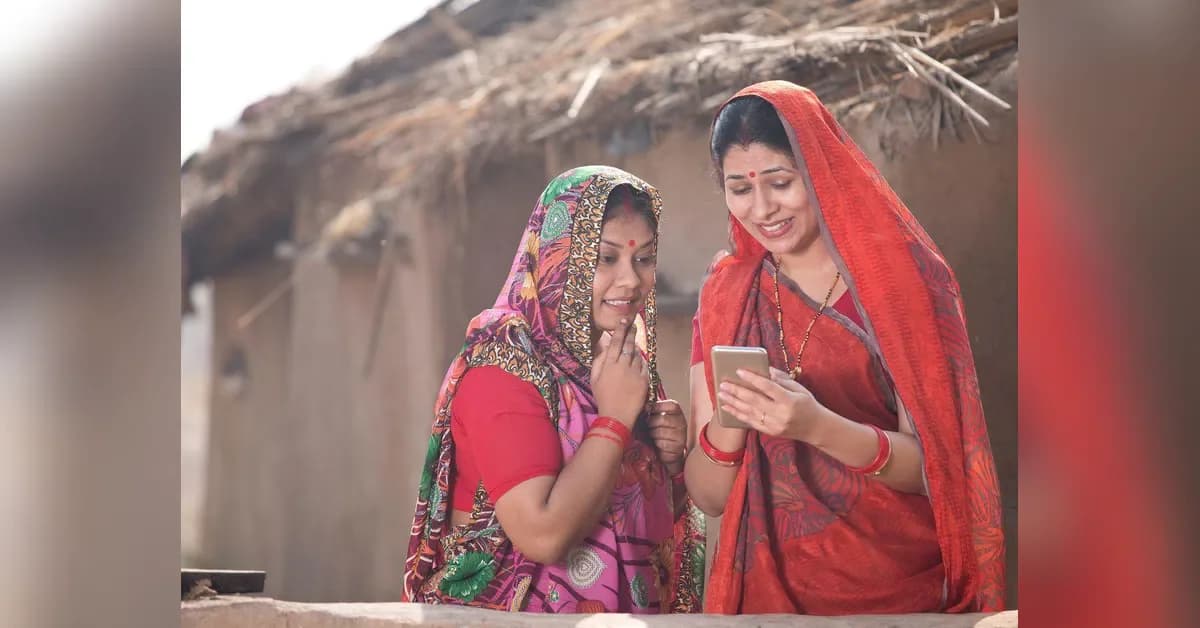
According to Business Standard, the real promise of financial inclusion begins when a woman realizes she has the power to make informed financial choices. The article emphasizes that when philanthropy, government, and community move together with shared intent, this transformation becomes inevitable rather than exceptional. The opportunity lies in embedding financial literacy, fraud protection, and women's empowerment into the fabric of rural programmes to achieve true inclusion that is not transactional but transformational. Recent research by JM Financial Centre for Financial Research reveals significant gaps in sophisticated financial literacy across Gujarat and Rajasthan, with Financial Maturity Indices of 33.6 and 32 respectively, indicating that even basic understanding of complex financial products remains limited. Despite substantial progress in access and usage metrics, policymakers and regulators now need to focus on deepening financial inclusion beyond distribution and access to achieve comprehensive financial maturity across all segments of society.