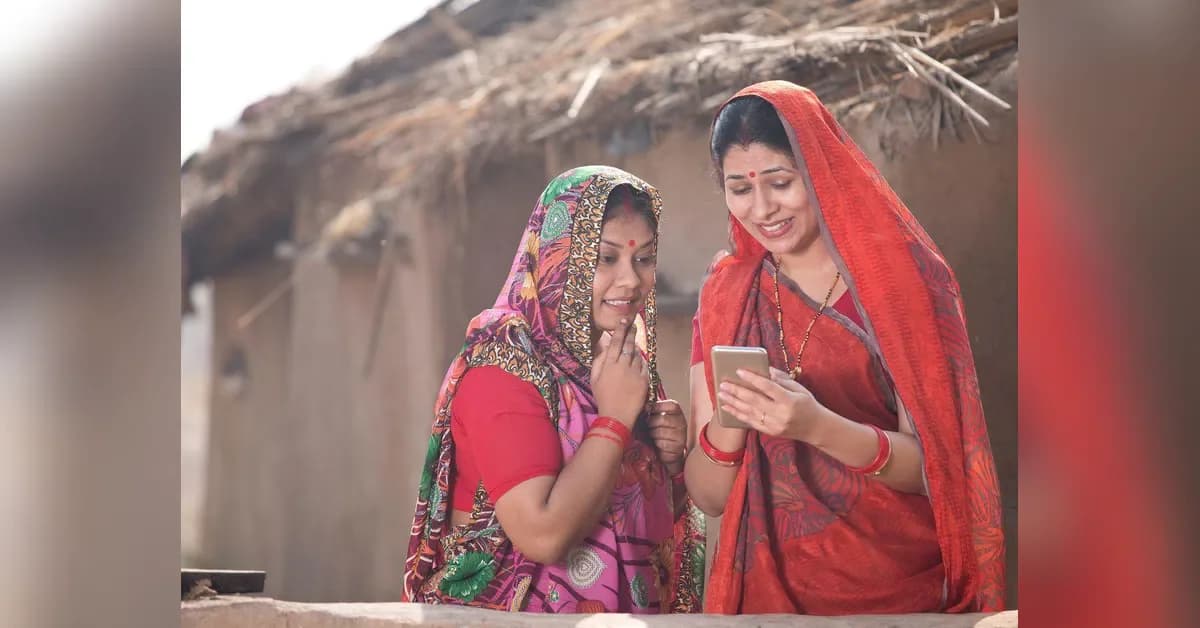
A recent study by DBS Bank India and Deloitte has highlighted a critical gap in women's financial understanding and control. According to the March 2026 survey of 1,342 women across different segments, while women are increasingly participating in formal financial systems with more bank accounts, savings, borrowing, and digital payment usage, only 58% of high-net-worth women identify themselves as primary financial decision-makers. The study found that 69% of female entrepreneurs and 60% of rural women earners also claim this role, indicating a clear correlation between income level and financial control.
The study's findings are underscored by tragic real-world examples of women struggling with financial access after life-changing events. As reported by The Times of India, a 27-year-old widow in Kolhapur allegedly lost access to ₹70 lakh in insurance proceeds and gratuity after her husband's death, having trusted her family with financial decisions. Similarly, 75-year-old Alice Stone Nakhimovsky, an established author and retired professor who saved more than $1 million, struggled to understand her family's finances after her husband's sudden death despite their substantial wealth.
Financial professionals emphasize the broader implications of women's financial literacy gaps. Anooshka Soham Bathwal, CEO and Founder of Dhanvesttor, stated that when women understand money, the whole family is better protected, especially in emergencies, widowhood, or divorce. Shivani Bisht, working in PR/media industry, believes financial education from early age can improve women's financial independence, advocating that parents should encourage daughters to understand money and participate in financial decisions rather than leaving it to men in the family.

The survey findings reveal that access to financial services does not necessarily translate to understanding financial products, confidence in investment decisions, or control over money usage. According to The Times of India, women are earning, saving, and borrowing but lack control over their money, creating vulnerabilities that can leave them struggling to understand, access, or protect their financial future when crisis situations arise. This gap highlights the need for comprehensive financial education and decision-making empowerment for women across all income segments.