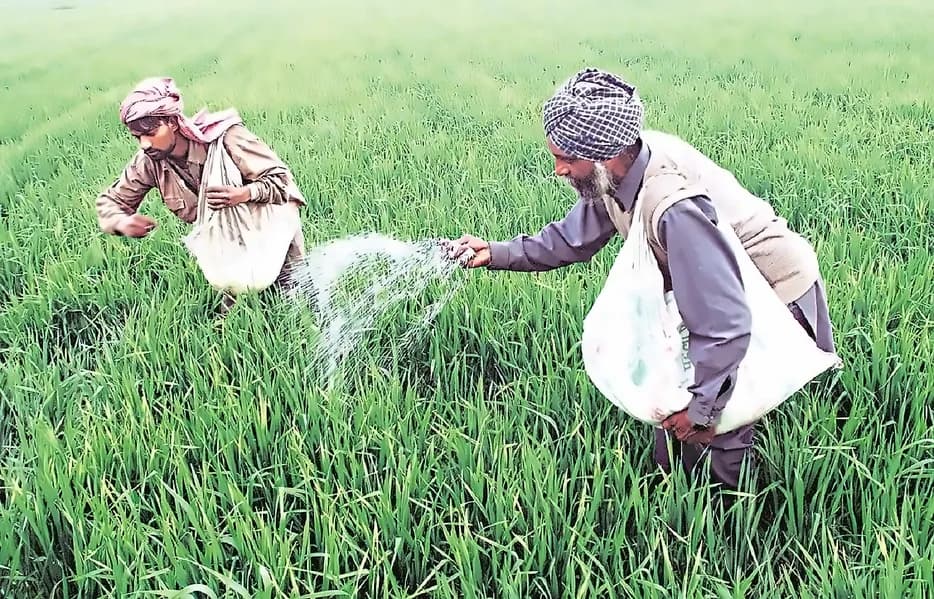
Women's participation in India's agricultural sector has reached a significant milestone, with their share of the agricultural workforce increasing from 57% in 2017-18 to more than 64% in 2023-24, according to a report by Arya.ag. Despite this substantial increase, women continue to face structural barriers in accessing productive assets. Nearly 77% of rural working women are now engaged in agriculture, yet they operate only 11.72% of the farmed area in India, highlighting a widening gap between their contribution to agriculture and their control over productive assets.
The report reveals significant disparities in how women and men are classified in agricultural employment. Nearly 47.7% of women engaged in agriculture are recorded as unpaid helpers on family farms, compared with 20.2% of men, as reported by Arya.ag. The growing participation of women is partly attributed to the migration of men to cities and non-farm employment opportunities. Women farm workers earn about ₹82 for every ₹100 earned by men in agrifood work, with the report citing an estimated 24% productivity gap between women's and men's farms of the same size, attributed to unequal access to credit and inputs rather than differences in ability.
The productivity gap translates to significant economic losses for India's agricultural sector. Applying the FAO's estimated 2.5-4% output loss associated with gender disparities to India's agricultural GVA of ₹48.7 lakh crore, the report estimates that the country could be losing ₹1.2-2 lakh crore in agricultural output annually. However, equal access to resources could raise yields on women-run farms by 20-30%, while overall agricultural output could increase by 2.5-4%. The report notes that 2026 has been declared the International Year of the Woman Farmer, providing an opportunity to address these gaps.
The report identifies technology as a key solution to break the exclusion cycle affecting women farmers. 15,000 women-led self-help groups are being equipped with agricultural drones, with trained operators potentially earning ₹60,000-80,000 a month. Arya.ag reported that more than 50,000 women are directly engaged on its platform, while women-led FPOs on the platform have grown 128% in two years. The AryaShakti initiative, in partnership with Friends of Women's World Banking, supports women-led FPOs across 10,000 farming households.
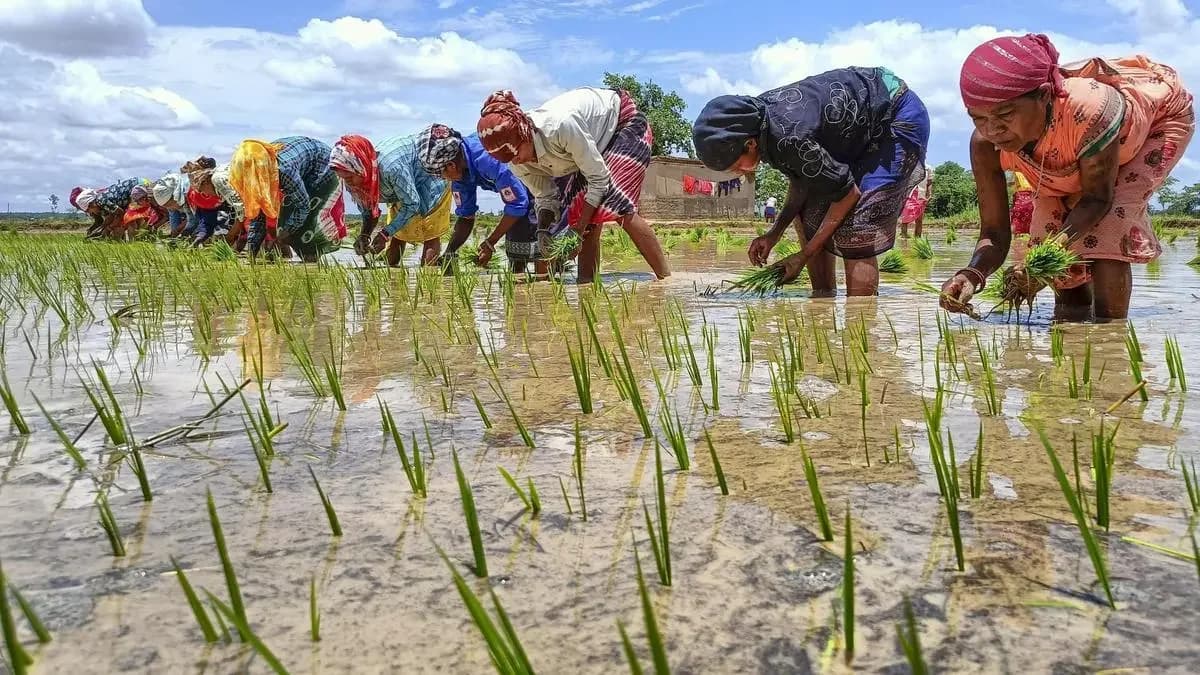
The report outlines a comprehensive four-point agenda to address gender disparities in agriculture. It calls for recognising women as farmers irrespective of whose name appears on land records, expanding access to collateral-light credit and warehouse-receipt finance, increasing access to drones and agricultural advisories, and building women-led FPOs as permanent market institutions. The report emphasizes that warehouse receipts, farmer producer organisations (FPOs), and technology can help break the cycle where women who are not formally recognised as farmers have limited access to institutional credit, inputs and storage, forcing them into distress sales and keeping their incomes low.