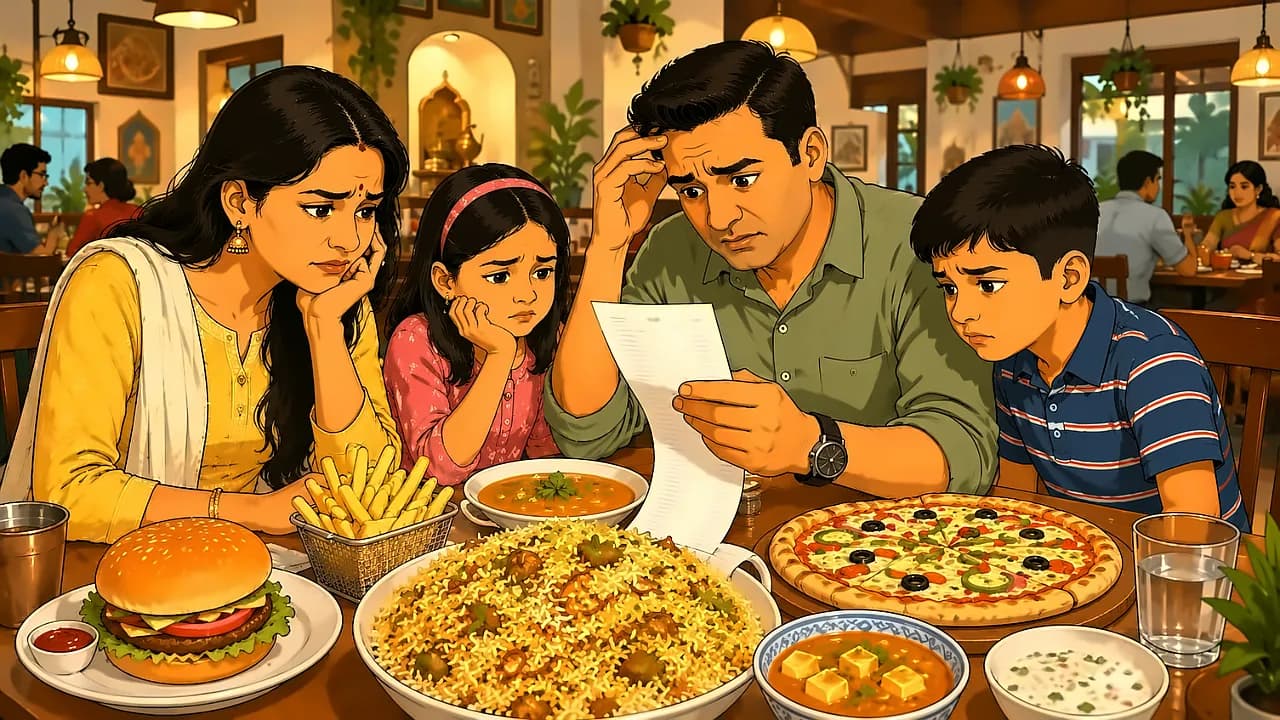
India's restaurants and delivery platforms are preparing to increase food prices by 5-10% from next week following Friday's fuel price hike, according to industry executives cited by ET. The National Restaurants Association of India (NRAI) president Sagar Daryani said restaurant businesses, which typically revise prices annually around September, are now being forced to act much earlier. "Usually, we take an annual price hike around September. This year, we have no choice but to increase prices from July 1," Daryani stated, who is also cofounder of Wow! Momo. Some chains will start correcting menu prices as early as next week, while others plan to stagger the price increases from either June or July, executives said. With prices of essentials such as vegetables, fruits and staples, which depend heavily on frequent daily transportation, expected to go up with higher fuel costs, the brunt will be felt as much on consumers as restaurants and cafes.
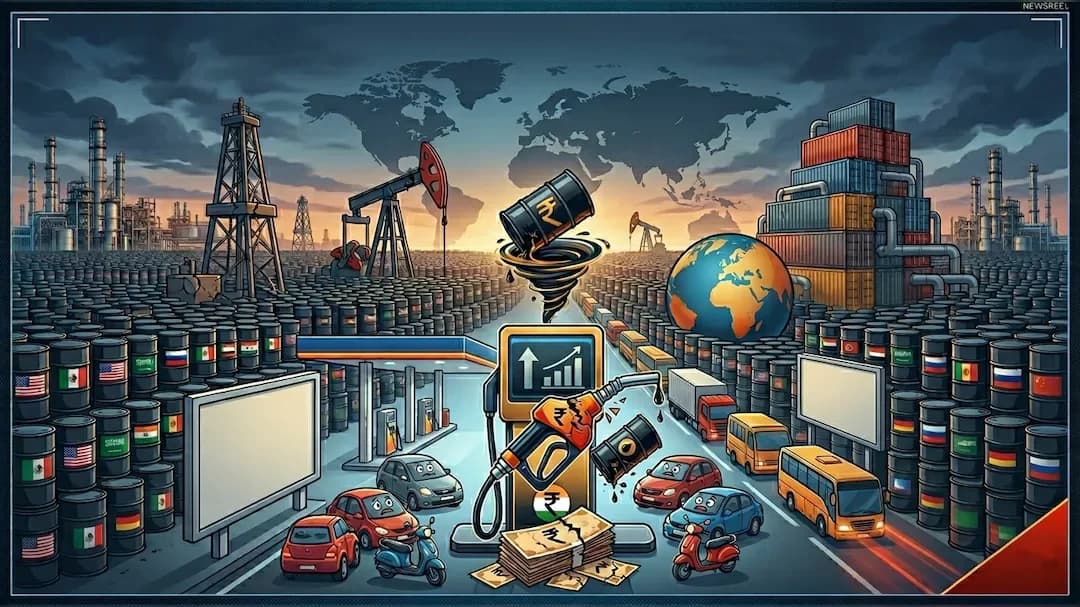
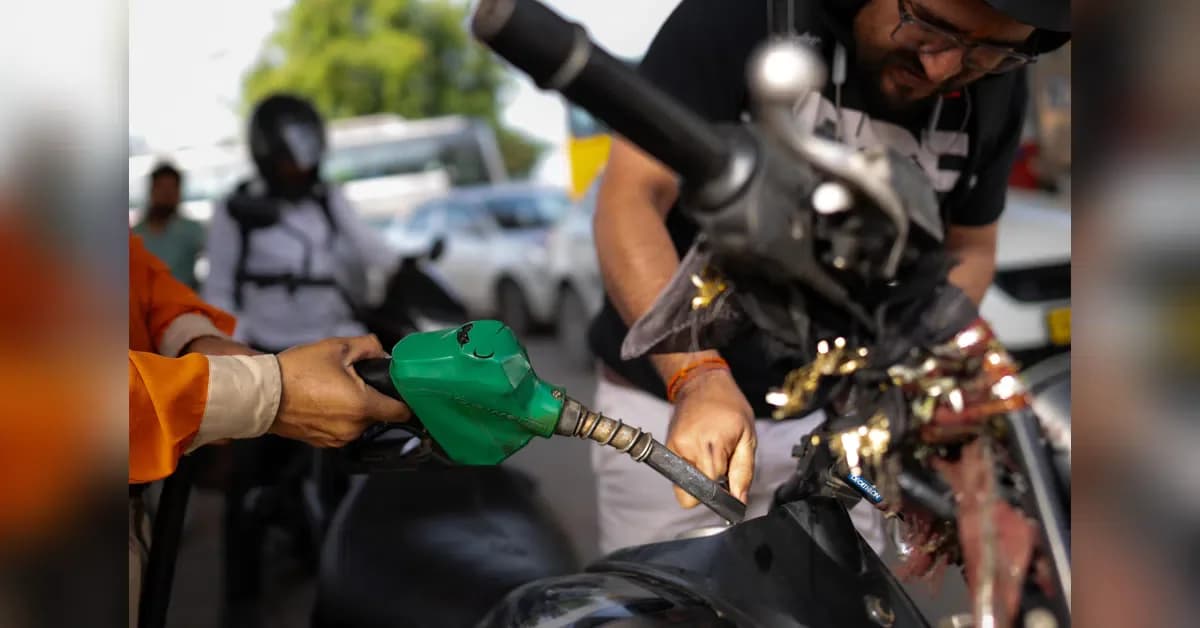
The latest fuel revision represents the first major increase in nearly four years, taking petrol prices in Delhi to ₹97.77 per litre and diesel to ₹90.67 per litre, as reported by ET. The price hike comes as the Middle East conflict stretches beyond 75 days, sending global crude prices from around $70 to over $100 a barrel. Since the US and Israel launched joint strikes on Iran, Tehran has tightened its grip over the crucial Strait of Hormuz, choking energy supplies and disrupting markets worldwide. The fuel price hike comes on top of an almost 60% surge in LPG costs, creating a compound impact on restaurant operations.
Restaurants are already dealing with nearly 60% higher LPG costs and are struggling to absorb further shocks internally, according to industry executives cited by ET. Vikrant Batra, founder of Cafe Delhi Heights, which operates 50 outlets in 17 cities, said "Fuel price hikes will lead to an increase in our transportation, packaging, material and input costs; we are not left with any choice but to increase prices. The cascading effect is such that the cost of living for our staff members will also go up." Saurabh Khanijo, managing director of Kylin chain of restaurants, warned "I don't think the market has the capacity to take anymore shocks. We will have to see how much of an impact we can take; our raw material costs will go up." With prices of essentials such as vegetables, fruits and staples, which depend heavily on frequent daily transportation, expected to go up with higher fuel costs, the brunt will be felt as much on consumers as restaurants and cafes.
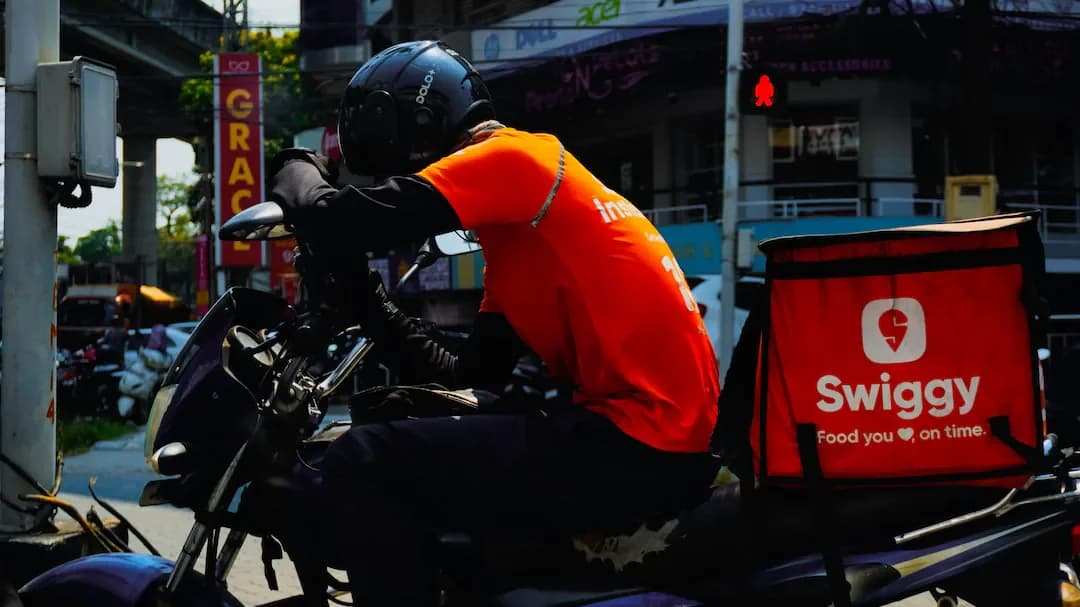
Food delivery platforms are expected to face rising logistics costs that will reshape customer spending patterns, according to a senior executive at a leading delivery company cited by ET. Consumers may soon face higher delivery fees, lower discounts and reduced minimum order thresholds. Additionally, Prime Minister Narendra Modi's work-from-home appeal is creating a split impact across the sector, with more households staying indoors potentially supporting delivery demand while dining-out, especially office lunches and Friday group outings, is likely to suffer. Executives also noted that a further increase in channel partner fees by delivery platforms Zomato and Swiggy could make it tougher for chains to balance profitability with consumer prices. However, companies are cautious that price increases should not hamper demand, considering that consumers are already under inflation stress.
Data from an internal NRAI survey highlighted the depth of the crisis, with 10% of restaurants temporarily shut last month while 60-70% shifted to induction or alternate fuels, shortened menus or reduced operating hours as LPG shortages pushed many towards black-market purchases at inflated prices, as reported by ET. The association estimates the sector could face losses of ₹2,650 crore per day and ₹79,000 crore per month this year using 2024 as a baseline. "Inconsistent service (menu cuts, delays, reduced hours) has led to lower visit frequency and discretionary spending and reduced repeat dining," the survey stated. With prices of essentials such as vegetables, fruits and staples, which depend heavily on frequent daily transportation, expected to go up with higher fuel costs, the brunt will be felt as much on consumers as restaurants and cafes. Amul and Mother Dairy have also hiked milk prices by ₹2 per litre this week.