Prime Minister Narendra Modi announced the launch of the Pradhan Mantri Viksit Bharat Rojgar Yojana (PM-VBRY), a ₹1 lakh crore scheme designed to create employment opportunities for approximately 3.5 crore youth across India. Speaking from the ramparts of the Red Fort on India's 80th Independence Day, PM Modi emphasized that young people would be the greatest beneficiaries of his vision of a 'Viksit Bharat' by 2047. Under the new scheme, the government will provide ₹15,000 to every young person who gets a job in the private sector, with companies that generate more employment opportunities receiving additional incentives. This represents a significant expansion from the existing PM-VBRY, which has achieved 32.6% of its first-year target with 6.25 million first-time employees against a target of 19.2 million jobs.
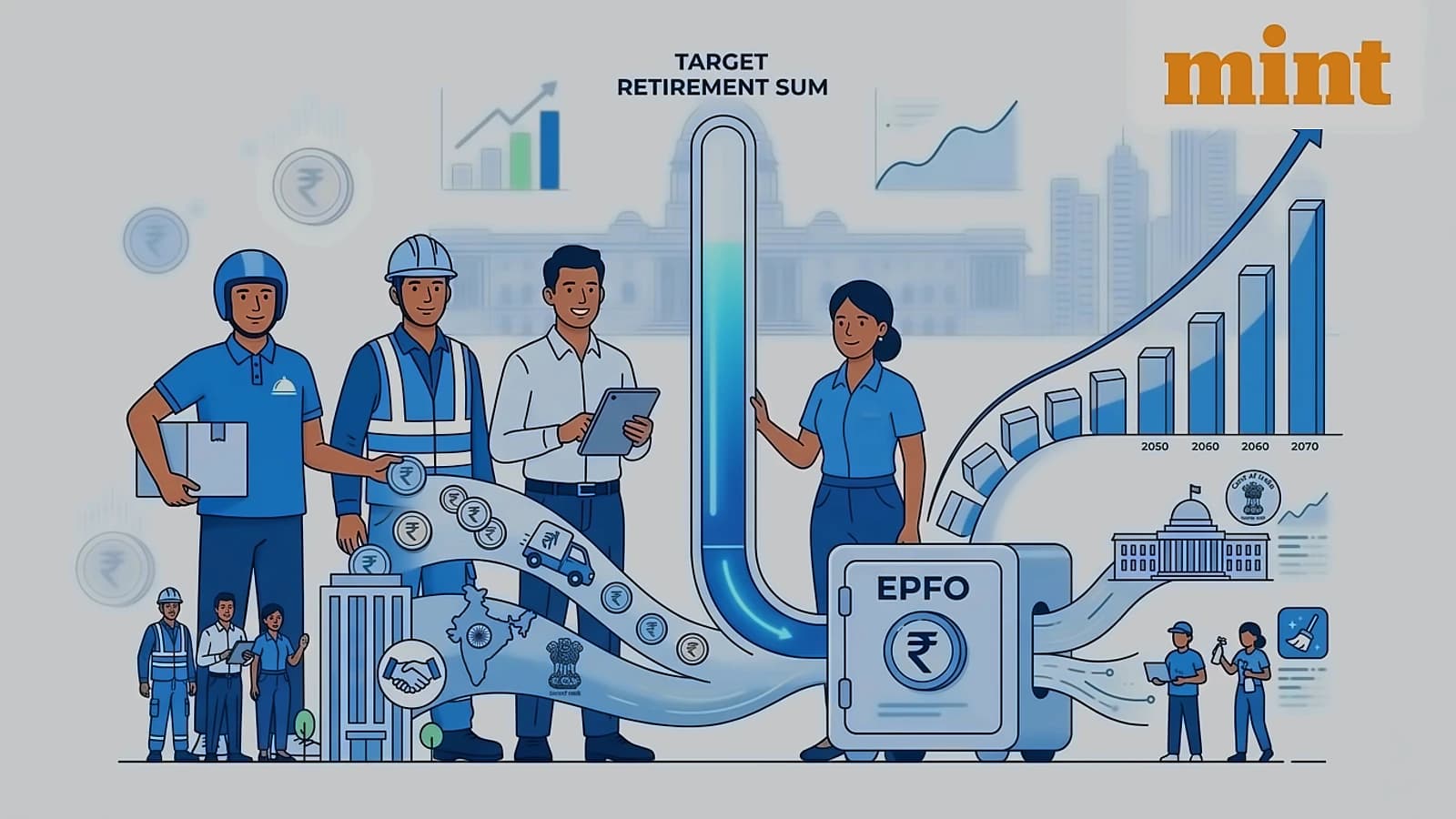
The Employees' Provident Fund Organisation (EPFO) has proposed comprehensive measures to accelerate PM-VBRY implementation across India, including providing states access to real-time data on scheme progress. The proposed measures include district-level workshops involving District Industries Officers, EPFO and Employees' State Insurance Corporation (ESIC) officials, industry associations and trade unions to ensure large-scale implementation across districts. The board has directed that this initiative be implemented on a large scale with a detailed schedule to be prepared and communicated to ensure effective rollout. The scheme covers jobs created between August 1, 2025, and July 31, 2027, with an outlay of ₹99,446 crore and ₹2,814 crore disbursed so far. The new ₹1 lakh crore scheme represents a substantial increase in financial commitment to youth employment generation.
The EPFO board has directed industry associations representing industrial clusters to advise the government on skills required by employers and the syllabus needed for training. Workers seeking jobs in particular clusters can undertake short-term training of 15 days to a month, with certificates from such programmes helping workers secure jobs within their respective clusters. However, board members raised concerns about the scheme's sectoral coverage, with one employer representative noting that PM-VBRY appeared focused on manufacturing despite agriculture being the country's largest employer and construction being the second largest. The member also flagged a shortage of skilled workers in construction and sought greater attention to this sector to improve employment generation. Additionally, members raised concerns that employers facing pending cases over provident fund dues could be unable to access PM-VBRY benefits, with one member citing more than 40,000 such proceedings and seeking a mechanism to allow affected employers to participate in the scheme.
The scheme has achieved 33% of its target with 6.26 million first-time employees covered since launch, according to the latest data. PM-VBRY has facilitated 4.85 million additional jobs through 186,000 employers between August 2025 and June 2026, demonstrating significant progress in employment generation. Under the expanded framework, first-time employees earning up to ₹1 lakh a month receive an incentive equivalent to one month's wages, capped at ₹15,000, paid in two instalments after six and twelve months of continuous employment. Employers receive incentives for each additional worker retained, ranging from ₹1,000 to ₹3,000 a month, depending on wages. The ministry emphasized that the scheme's financial outlay extends until FY31, making current disbursement rates insufficient for assessing overall progress.

The ministry reported that registrations and beneficiary uptake have increased after the prime minister released the second tranche of payments in June, with disbursements expected to rise as more beneficiaries complete six months of service. However, hiring decisions continue to be driven primarily by business demand and long-term workforce requirements, with incentives acting as an enabler rather than the primary driver. The scheme traces its origins to the Employment Linked Incentive (ELI) scheme announced in the Union Budget for 2024-25 as part of the Centre's ₹2 trillion package for employment generation. With the new ₹1 lakh crore commitment and enhanced implementation strategies, the government has significantly strengthened its commitment to youth employment generation across India, while addressing the broader challenge of technological transformation and job creation in the digital age.