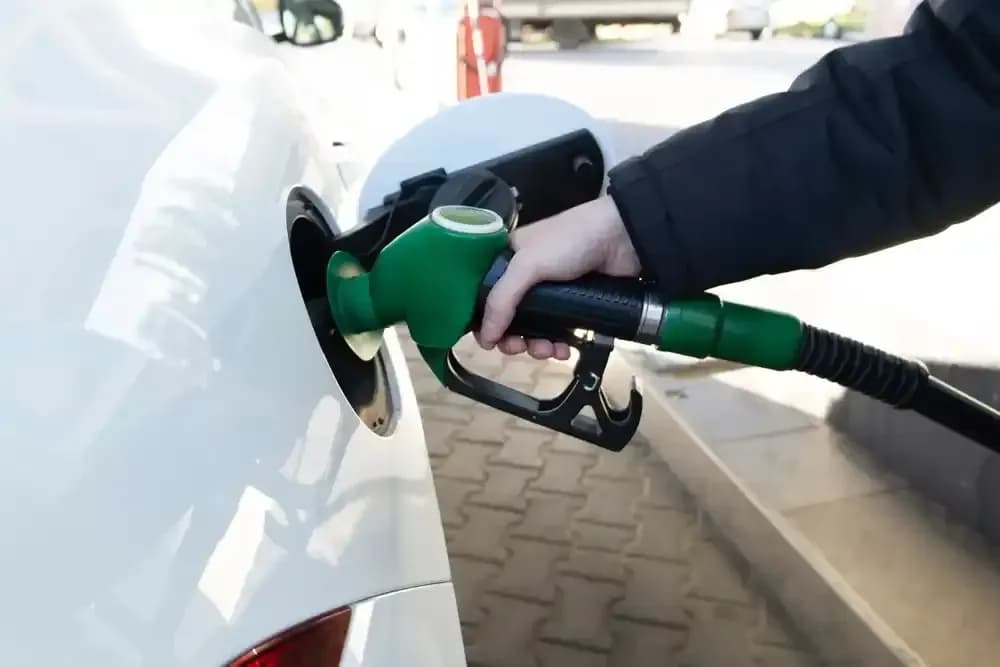
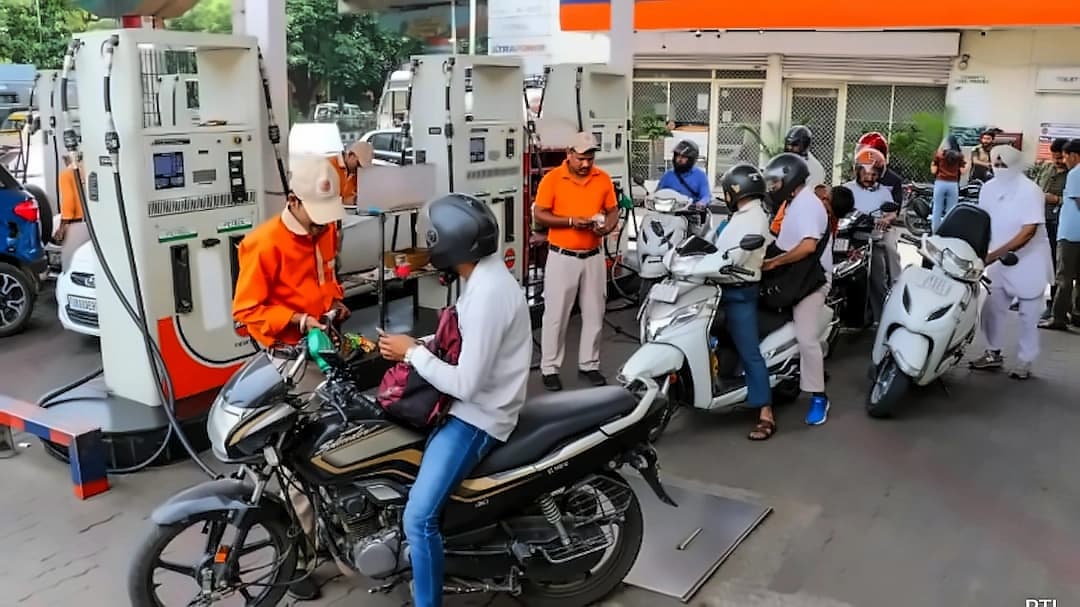
Petrol and diesel prices were increased again on Tuesday, marking the second such hike in under a week. According to reports from PTI, this time the prices were increased by about 90 paise per litre across the country. In Delhi, petrol rose to ₹98.64 per litre from ₹97.77, while diesel increased to ₹91.58 from ₹90.67. Earlier on Friday, prices were raised by ₹3 per litre, marking the first increase in over four years. The latest revision has renewed concern among consumers, especially daily wage earners, street vendors, small traders, and office commuters who depend on fuel-driven travel every day.
The price increases were not limited to Delhi, with major metros experiencing significant hikes. As reported by PTI, Mumbai saw petrol rise by 91 paise to ₹107.59 per litre and diesel by 94 paise to ₹94.08. Kolkata recorded the steepest petrol increase among the metros at 96 paise, taking petrol to ₹109.70 per litre, while diesel went up by 94 paise to ₹96.07. Chennai also saw a rise, with petrol up by 82 paise to ₹104.49 and diesel by 86 paise to ₹96.11. The hike comes at a time when global crude prices remain firm, adding to the financial stress on commuters, small traders, and daily earners.
The jump comes amid public sector oil marketing companies facing intense cost pressure due to the ongoing US-Iran war in the Middle East and elevated global crude oil prices. As reported by PTI, while the latest price increases have provided partial relief to the OMCs, analysts expect further small, phased increases ahead in coming weeks. Prime Minister Narendra Modi has urged people to cut down on fuel consumption and adopt measures to minimise the impact of the war on the local economy. The immediate reason behind the hike is rising global crude oil prices, with India depending heavily on foreign oil imports, creating noticeable ripple effects at the pump.
To understand the broader implications, I approached OpenAI's ChatGPT for analysis on the long-term impact of the price hike on Indian households. According to the AI model's response, the ₹3.9 per litre rise in petrol and diesel prices will directly increase daily travel costs for car, bike, and taxi users, resulting in reduced monthly savings, particularly affecting middle-class families. Food prices may also rise due to increased transport expenses, as diesel powers trucks, potentially pushing up prices of vegetables, milk, grains, and other essentials. The real-world impact is wide and immediate, from transport bills to grocery prices, with the effects traveling far beyond petrol pumps.
The hike in petrol-diesel prices has triggered immediate concerns among citizens about its long-term implications. As reported by PTI, public transport could get costlier as bus operators, auto drivers, and cab services may increase fares to balance higher fuel expenses, affecting daily commuters in cities and towns. A garment seller in Delhi described the rise as especially painful for people who depend on daily income, saying "I work in the clothing business and sell garments on the streets. My livelihood depends on daily earnings, and now the increase in fuel prices is creating problems for us." The increased input costs for businesses can lead to broader inflation, potentially reducing consumer spending and slowing down economic growth slightly as families would be pushed to rebalance their lifestyle expenses.