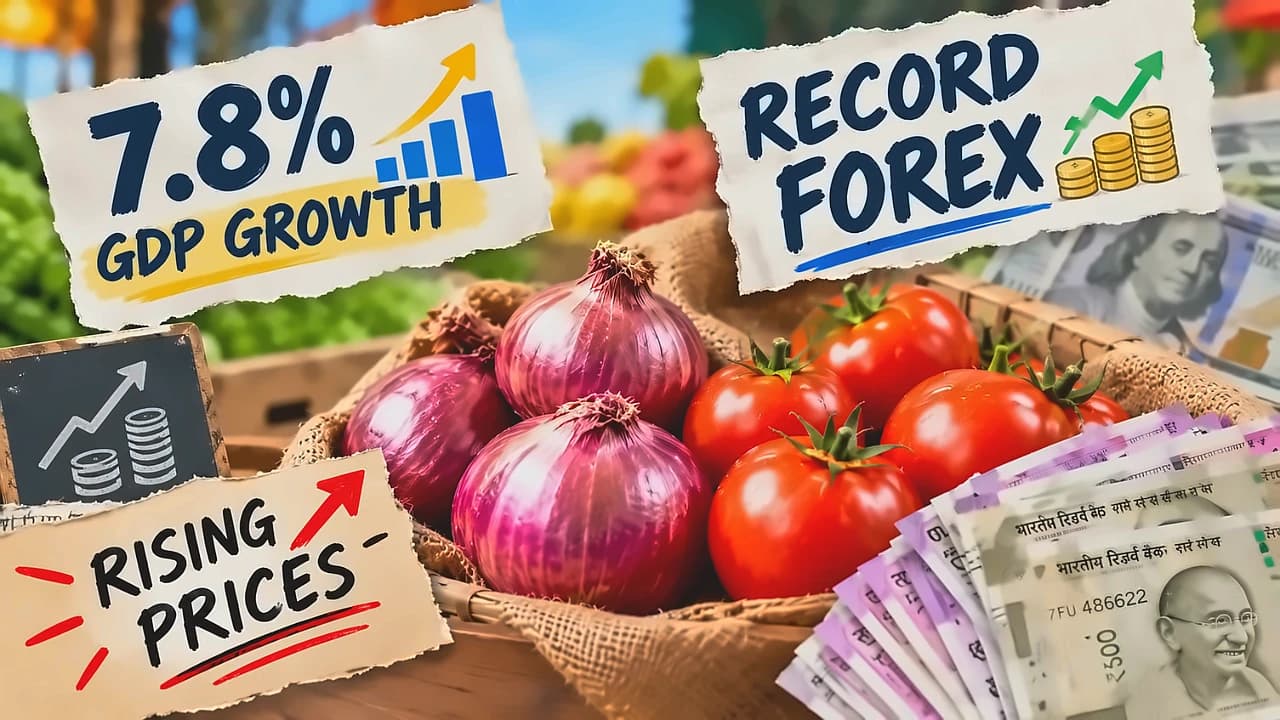
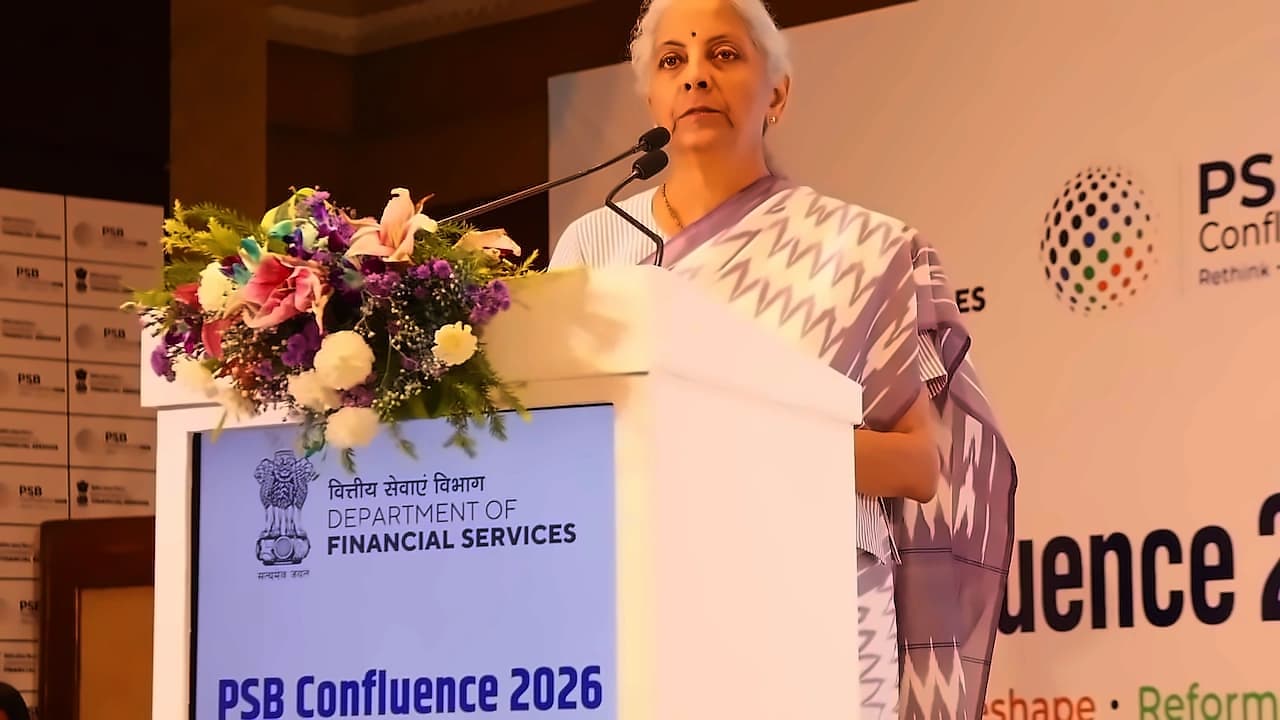
The Finance Ministry has projected GDP growth of 7.35 per cent in Q2FY27, following growth of 7.8 per cent in the first quarter (April-June/Q1) of FY27. In its latest Monthly Economic Review released on Thursday, the ministry stated that the Indian economy is well positioned to sustain the growth momentum for the rest of the financial year 2026-27 and is expected to expand 7.35 per cent during the July-September quarter. While the RBI has projected 7.1 per cent growth for the full financial year, most global agencies estimate the Indian economy to expand 6.9-7.1 per cent this year. The ministry noted that healthy credit growth and recent trade agreements are expected to provide additional support to consumption, investment and exports. The near-term industrial outlook remains supported by firm production, strengthening of order flows, improved manufacturing sentiment and robust industrial credit, though uncertainty around energy prices, supply-chain pressures and geopolitical developments remain relevant for manufacturing costs and investment decisions.
India is facing a prolonged food inflation crisis with food inflation expected to reach around 10% in the October-December quarter, according to Devendra Pant, chief economist at India Ratings and Research. This comes as annual retail food inflation accelerated to 7.74% in September, pushing headline inflation to 5.54%, close to the Reserve Bank of India's upper tolerance limit of 6%. The crisis is being driven by weak monsoon rains that have received about 48% less rain than average this year, creating water shortages that prevent farmers from planting winter crops. As per Business Standard, millions of farmers, especially in southern and western India, are facing water shortages as they prepare to plant wheat and chickpeas, with farmer Amarsingh Gushinge from Jalna district noting there's not enough moisture in the soil to sow crops. Lower crop yields could further stoke food inflation, with prices of sugar, pulses, wheat and rice already climbing amid a severe El Niño event.
Protein has emerged as a key driver of price increases and could prove difficult to bring down, according to economists. The central bank's September Monetary Policy Report revealed that animal protein and spices accounted for nearly half of the 200-basis point rise in food inflation between March and August, driven by higher feed and fodder, transport, packaging and energy costs, as well as bird mortality after a heat wave. In September, meat inflation eased to 8.7% from 12.0% in August, largely due to a high base, while inflation in milk, other dairy products and eggs rose to 5.1% from 4.8%. Animal feed, mainly corn and soybean, accounts for 60%-70% of poultry production costs, said Uday Singh Bayas, president of poultry equipment makers' body IPEMA-Poultry India. Poultry producers have yet to fully pass on higher feed costs, and broiler prices could rise from January as higher costs and tighter supplies put further pressure on the market.
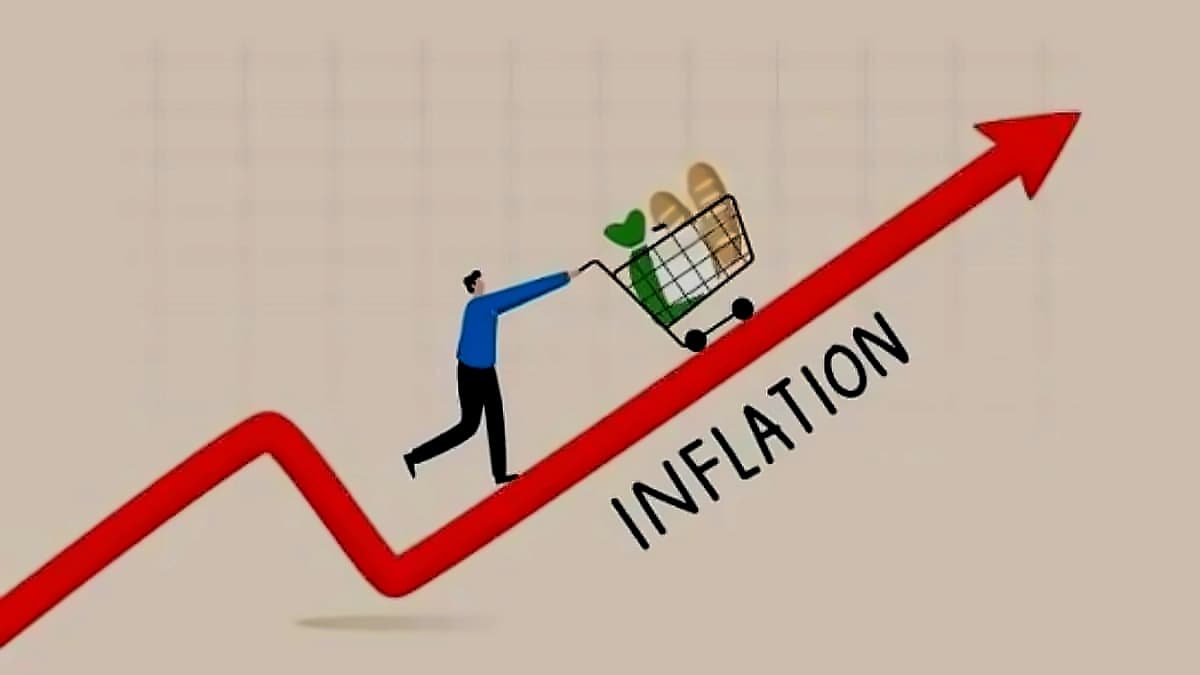
The Reserve Bank of India's Monetary Policy Committee unanimously raised the policy repo rate by 25 basis points to 5.5 per cent in its October meeting and changed its policy stance to 'calibrated tightening' to manage evolving inflationary pressures. The RBI projected headline retail inflation to peak at 6 per cent in the third quarter of FY27 before moderating to 5.7 per cent in Q4FY27. Higher food prices will likely prompt the central bank to raise interest rates by a further 50-75 basis points, as it risks feeding into broader price pressures, according to Devendra Pant. He expects the central bank to raise rates for a second consecutive time at its December meeting, after its first hike in October. The World Bank has warned that global commodity prices are set to increase by 23 per cent by the end of 2026, with energy prices at four-year highs due to the war on Iran and food prices driven up by global conflicts and El Niño.
The Finance Ministry said government interventions are expected to ease price pressures on essential food items, including releasing Kharif onions through the 'Kanda Express', imposing stock-holding limits on sugar dealers and reducing Basic Customs Duty (BCD) on crude edible oils. The ministry warned that an intensifying El Niño event could threaten soil moisture during the upcoming Rabi sowing season. The rupee's depreciation against both the dollar and broader currency basket has supported exporters' price competitiveness, with the rupee's real effective exchange rate declining by 9.1 per cent in 2025-26. Despite persistent inflationary pressures, the Finance Ministry said India's economic fundamentals remained resilient, supported by strong industrial activity, domestic demand, credit growth and investment. Regarding the impact of the crisis in West Asia on exports, the review noted that robust merchandise export growth and a steady services surplus have cushioned the trade balance.