The finance ministry's Monthly Economic Review (MER) for August confirms that India's economic activity, inflation and external position have remained relatively stable despite an uncertain global environment. According to the latest MER, while domestic demand remains resilient, food inflation and agricultural output outlook remain cautious amid intensifying El Nino concerns. The ministry noted that food prices, global commodity trends and weather-related risks remain key factors shaping the inflation outlook, with food inflation peaking at 5.52% in July - the highest in the current CPI series launched in February. This assessment comes as CPI inflation shot to a 19-month high of 4.45% in July, highlighting the government's proactive approach to managing economic risks.
Finance Minister Nirmala Sitharaman revealed that India successfully managed to avoid a fertiliser shortage despite facing significant global supply disruptions. According to reports from NDTV Profit, Sitharaman credited the country's ability to keep markets informed about required fertiliser quantities as the key factor in preventing shortages. Speaking to the Indian diaspora in Chicago, she emphasized that "the fertiliser shortage was not felt in India because we managed to keep the markets informed about how much we would require." The finance minister highlighted that while global supply shrank across multiple sectors, India's proactive communication strategy ensured adequate domestic availability.
On the external front, the ministry noted that India has demonstrated unexpected strength, remaining well-positioned to absorb pressures from shifting global trade dynamics and volatile financial markets. Despite a marginal widening of the current account deficit (CAD) in Q1FY27, the MER pointed to subsequent recovery in capital flows and strategic engagements as key drivers of export diversification. The ministry highlighted BRICS initiatives to expand intra-bloc trade, integrate MSMEs and build resilient value chains as important factors supporting external sector stability. Looking ahead, the ministry emphasized that sustained efforts to strengthen R&D, skills, supply chain resilience and enabling infrastructure will be crucial for supporting industrial competitiveness.
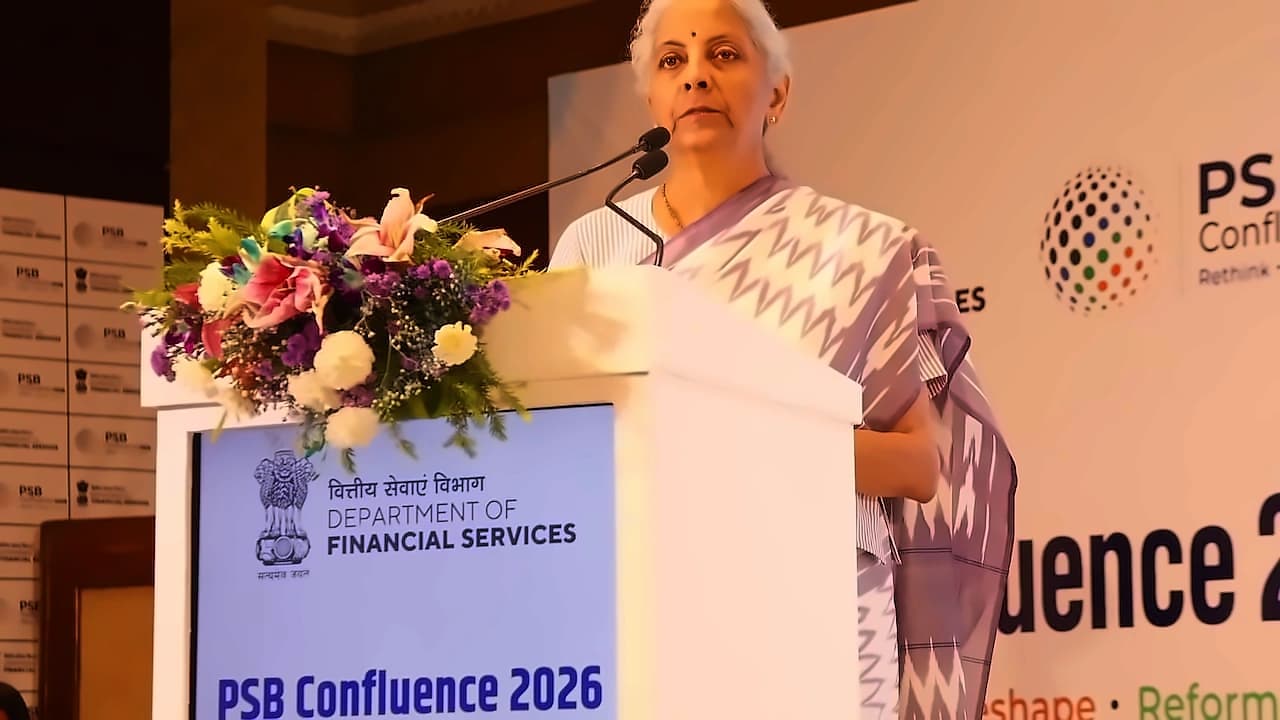
India has achieved its fiscal deficit target of 4.4% of GDP in FY26, with the government setting an ambitious target of bringing borrowing down to 50% of GDP by 2030. As reported by NDTV Profit, the finance minister emphasized that India's credit ratings are improving through proper management of the economy, stressing that this improvement comes "not by cutting corners or stopping resources for social welfare." The ministry's latest assessment reinforces that fiscal consolidation was achieved without reducing resources meant for social welfare or infrastructure spending, fulfilling the trajectory set for fiscal deficit reduction.