India's retail inflation is expected to climb to 4.5-5% in August 2026, marking the highest print in 20 months according to a Business Standard poll of 11 economists. The median projection of 4.8% would represent a significant increase from July's 4.45% reading, which was already a 19-month high. As per Business Standard, eight of the 11 estimates are clustered between 4.79% and 5%, with the National Statistics Office scheduled to release August data on September 14. This projected uptick follows a reading of 4.45% in July, which was the second straight month above the Reserve Bank of India's 4% target. The August reading will be the last major data point before the RBI's Monetary Policy Committee meets again in early October.
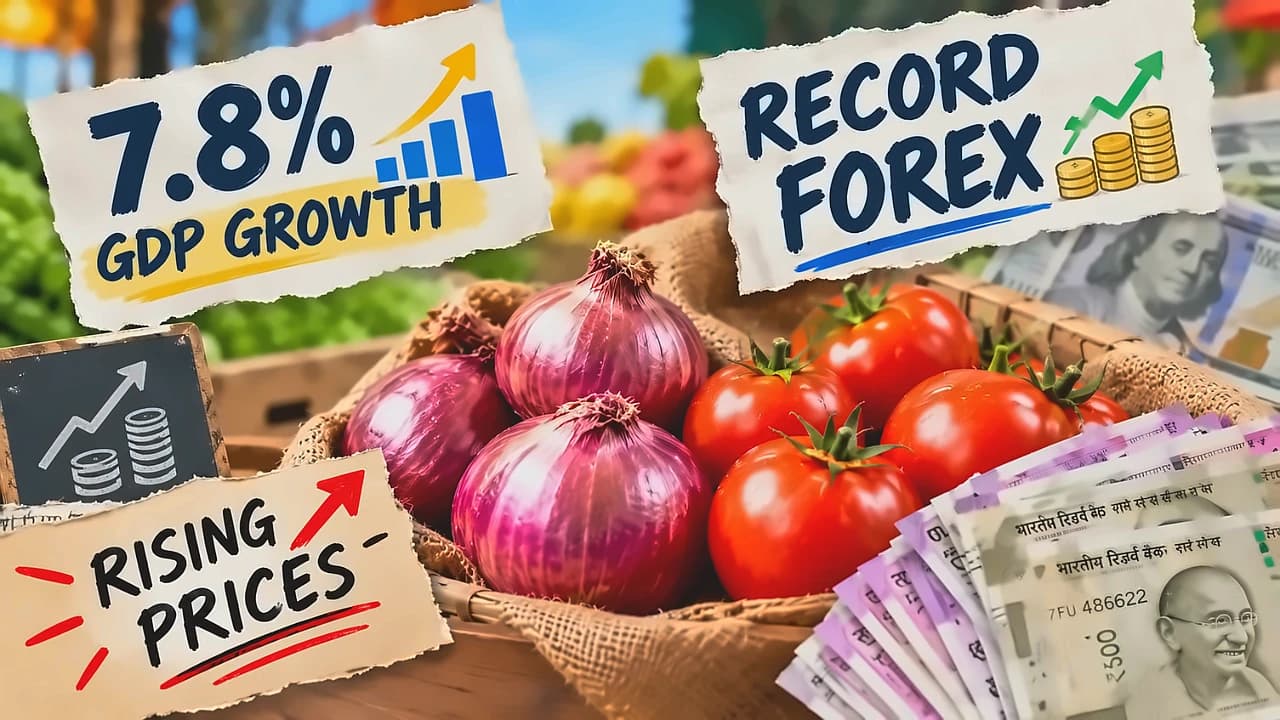
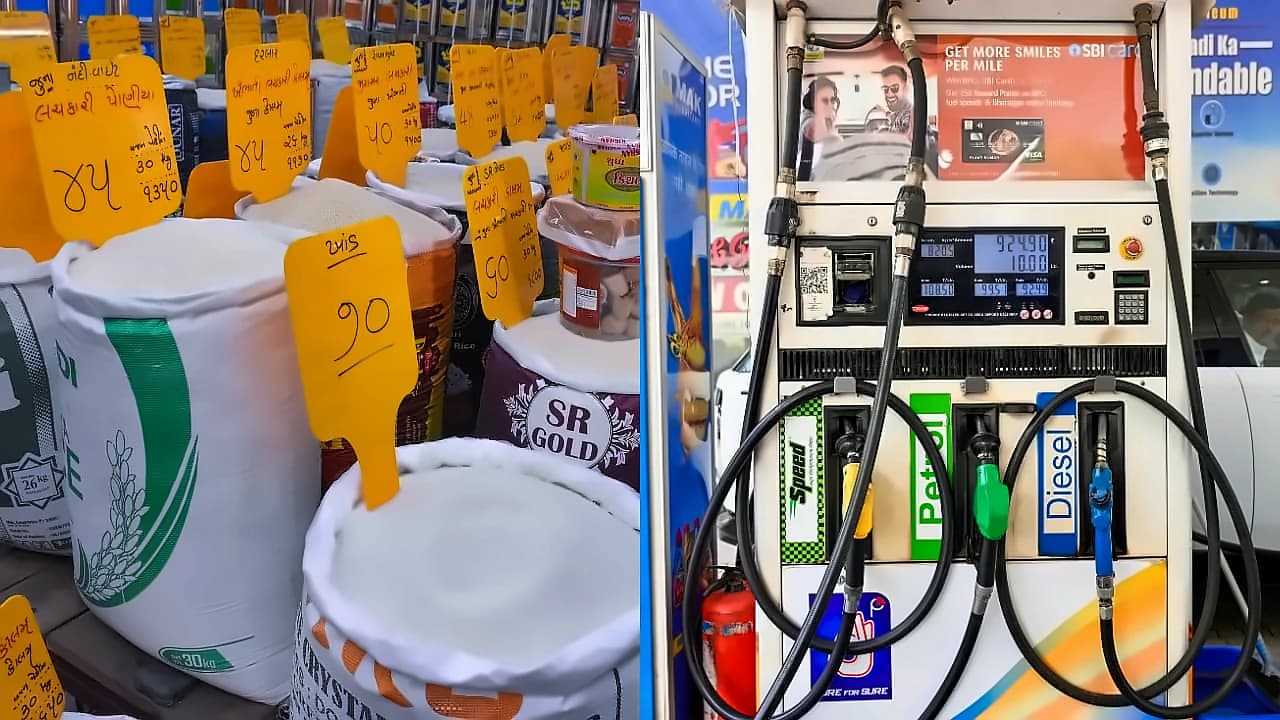
Food inflation is experiencing significant pressure, with retail inflation expected to rise to 4.88% in August and food inflation climbing to 6.03% from 5.24% in July. As reported by The Times of India, sugar prices have risen 19% year-on-year and 20% quarter-on-quarter, with all-India average retail prices climbing to around ₹62 per kg in September from about ₹47 in June. Edible oil inflation has also surged to 7.84% in July from 2.82% in March, with government data showing average retail prices ranging from ₹151-207 per kg across different oil varieties. Congress general secretary Jairam Ramesh reported that wholesale onion prices have doubled in three weeks, sugar is up 25%, and other staples including arhar, urad, mustard and refined oil have become more expensive ahead of Diwali. The FAO Sugar Price Index jumped 11.9% in August from July, while the broader FAO Food Price Index rose 1.9% to 133.3 points. Bank of Baroda projects India's retail inflation to average 5.0-5.2% in FY27 with upside risks from higher food prices, while wholesale inflation is expected to average 8.9%.
The current monsoon deficit represents the highest since FY16, with India's cumulative rainfall still 13.5% below normal as of September 4. According to IDFC First Bank's economist Gaura Sen Gupta, the weakness is driven by very strong El Niño conditions, with reservoir levels running below their 10-year average and threatening both kharif and rabi crops. Kharif sowing has held up better than expected, tracking 1.5% below last year, while rice sowing is 3.7% lower year-on-year, reflecting deficient rainfall in key producing states like Punjab and Telangana. The area under irrigation has improved to 60% coverage, but substantial sowing still depends on monsoon performance. Sen Gupta warns of stress in rural demand post-harvest in Q4FY27, which could dampen rural consumption and impact agricultural GVA growth, with negative effects visible in Q4FY27 post-harvest season.
Latest data from the Ministry of Consumer Affairs shows significant price increases across key food items as of September 7, 2026. Tur dal prices are 9.07% higher compared to the same date last year, while urad dal is 7.77% dearer. Groundnut oil prices have risen 11.64% and soybean oil is around 12% costlier. Rice prices are 11.06% higher compared to the same date last year, while onion prices have surged 93% to be almost twice as expensive. Bank of Baroda's chief economist Madan Sabnavis projects food inflation to remain elevated at 5.5-6% in the coming months, with prices likely to remain elevated until October-November when fresh crops arrive. Icra's Nayyar noted that retail inflation in the food and beverages segment is projected to inch up slightly to about 5.4% in August 2026 from 5.2% in July 2026, but is set to escalate sharply thereafter, crossing the 7.0%-mark in October 2026.
The projected inflation increase has significant implications for monetary policy, as the August reading is the last major data point before the MPC meets again in early October. According to Business Standard, Madhavankutty G, chief economist at Canara Bank, expected 4.7% inflation and warned that if September CPI turns out closer to 6%, Q2 inflation could marginally overshoot the RBI forecast of 4.7%. In its August review, the RBI's Monetary Policy Committee modestly lowered its FY27 inflation projection by 10 basis points to 5%. Gaura Sengupta, chief economist at IDFC First Bank, pegged the print at 4.9%, citing a broad-based pickup in prices including sugar, onions, and packaged products due to expensive plastics from the West Asia crisis. Rajani Sinha, chief economist at CareEdge Ratings, also expected 4.9% inflation, flagging external risks from possible disruption to energy flows through the Strait of Hormuz and below-normal rainfall. Aditi Nayar, chief economist at ICRA, expected 4.6% inflation with food and beverages inflation rising to about 5.4% in August before crossing 7% by October.