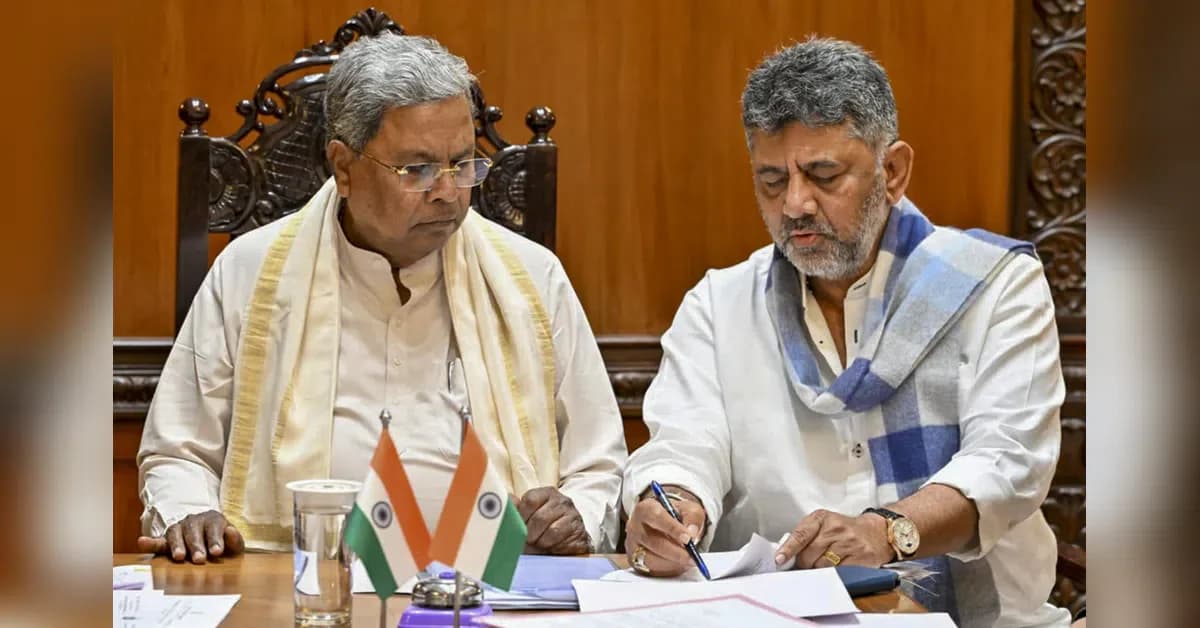
As the Odisha government completes two years in office on June 12, Chief Minister Mohan Charan Majhi faces his first phase of public scrutiny after inheriting an enormous political opportunity. According to reports from Business Standard, the BJP's victory in 2024 ended Naveen Patnaik's uninterrupted 24-year rule, with the transition bearing striking similarities to the BJD's 2000 victory against Congress corruption and bureaucratic dominance. However, political analysts like Bijaya Bohidar note that "the government is not functioning the way it should. There is a breakdown in law and order and there are growing tensions everywhere."
Despite governance challenges, Odisha continues to be one of India's fastest-growing states with projected growth of 7.9% against the national average of 7.4%, as reported by Business Standard. The state's gross state domestic product (GSDP) is expected to touch nearly ₹10 trillion, while annual per capita income has risen to ₹1.86 lakh. The government has attracted 890 investment proposals worth over ₹20.9 trillion since June 2024, with 433 proposals worth ₹8.68 trillion approved and 34 units set up with investment of ₹66,809 crore and employment potential of over 31,000. Recently, Intel signed a pact for a $3.3 billion semiconductor facility in Bhubaneswar-Khurda region, described as the largest high-technology manufacturing investment in the country.
Odisha maintains strong fiscal discipline with debt-to-GSDP ratio around 13.6%, the lowest among major states and significantly below the 25% limit under FRBM Act, according to Business Standard. The government has expanded the annual Budget to ₹3.1 trillion with emphasis on agriculture, irrigation, infrastructure and rural development, while capital expenditure of over ₹72,000 crore is among the highest relative to GSDP among major Indian states. However, the government faces challenges in balancing fiscal prudence with expensive welfare commitments, including Subhadra Yojana increasing recurring expenditure liabilities of over ₹10,000 crore, Samruddha Krushak Yojana costing ₹6,000 crore, and enhanced pensions for senior citizens and disabled costing over ₹5,000 crore.
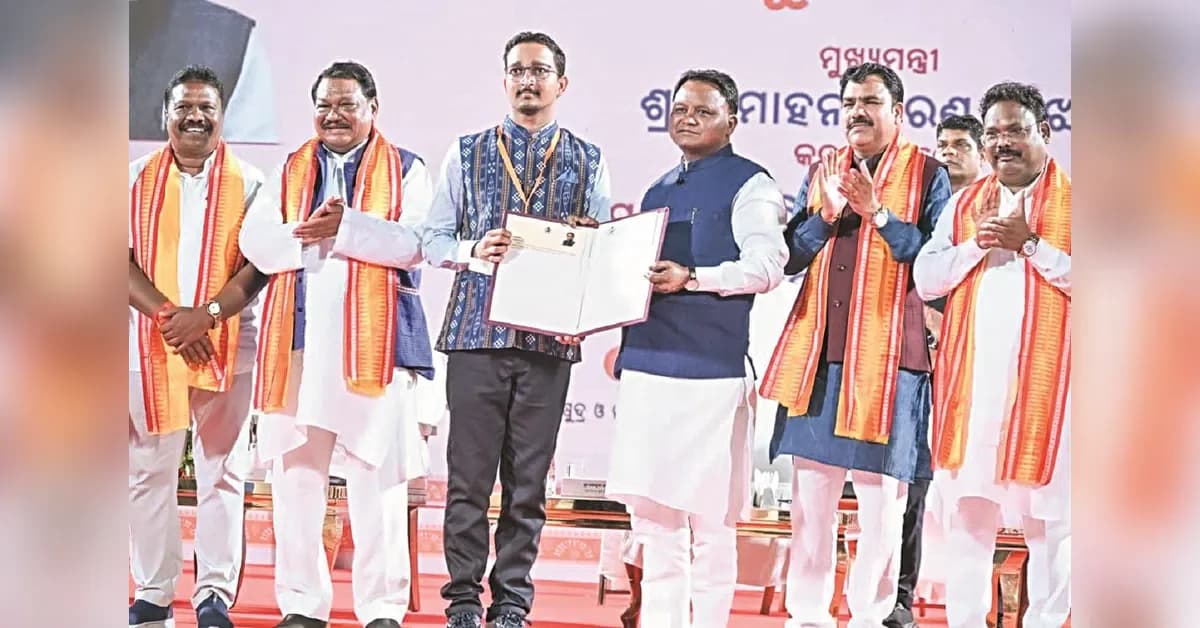
Despite investment successes, critics argue the government relies excessively on memoranda of understanding and summit diplomacy rather than measurable industrial outcomes, as reported by Business Standard. Industry analysts caution that while Odisha excels in signing MoUs, it faces persistent implementation bottlenecks. Former BJD leader Sanjay Dasburma accused the BJP government of "repackaging old MoUs with new publicity" and criticized the Subhadra Yojana's ₹10,000 annual assistance as falling flat. Senior BJP leaders defend the administration's proactive approach, with Jatin Mohanty noting the government's focus on industrialisation, investment mobilisation, administrative decentralisation and closer integration with the Centre.