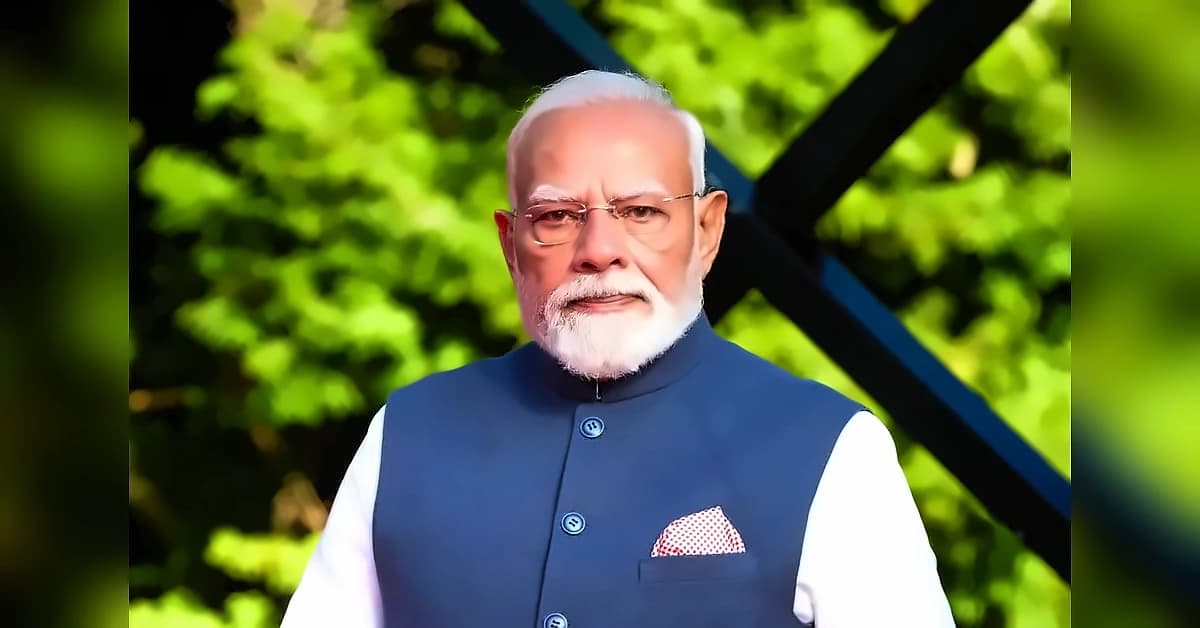
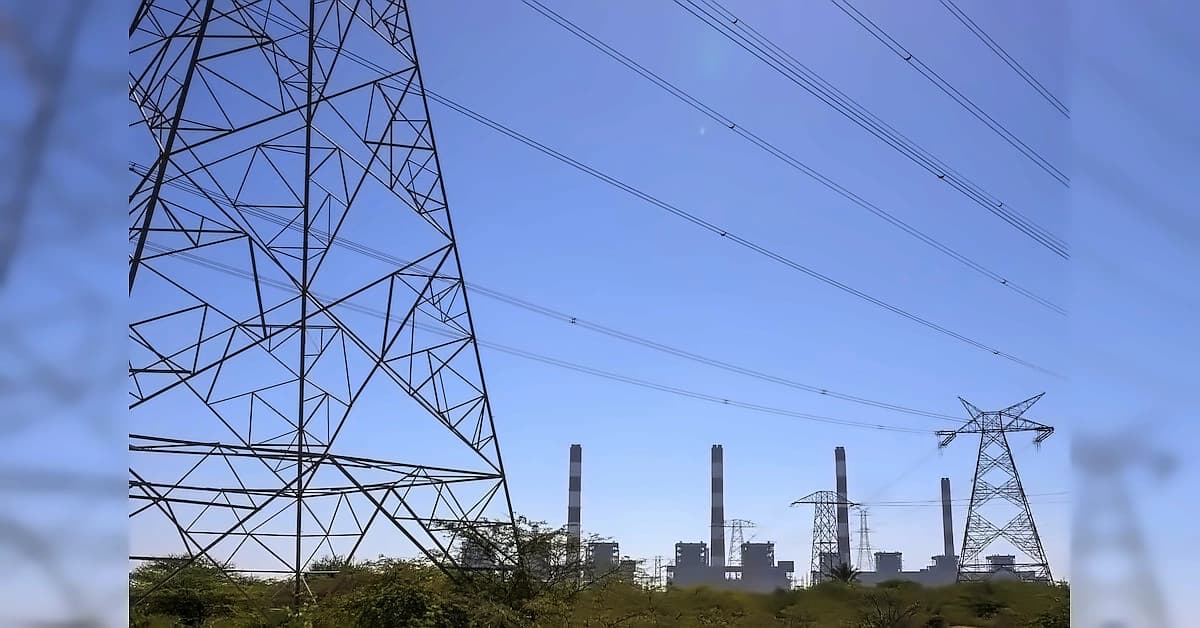
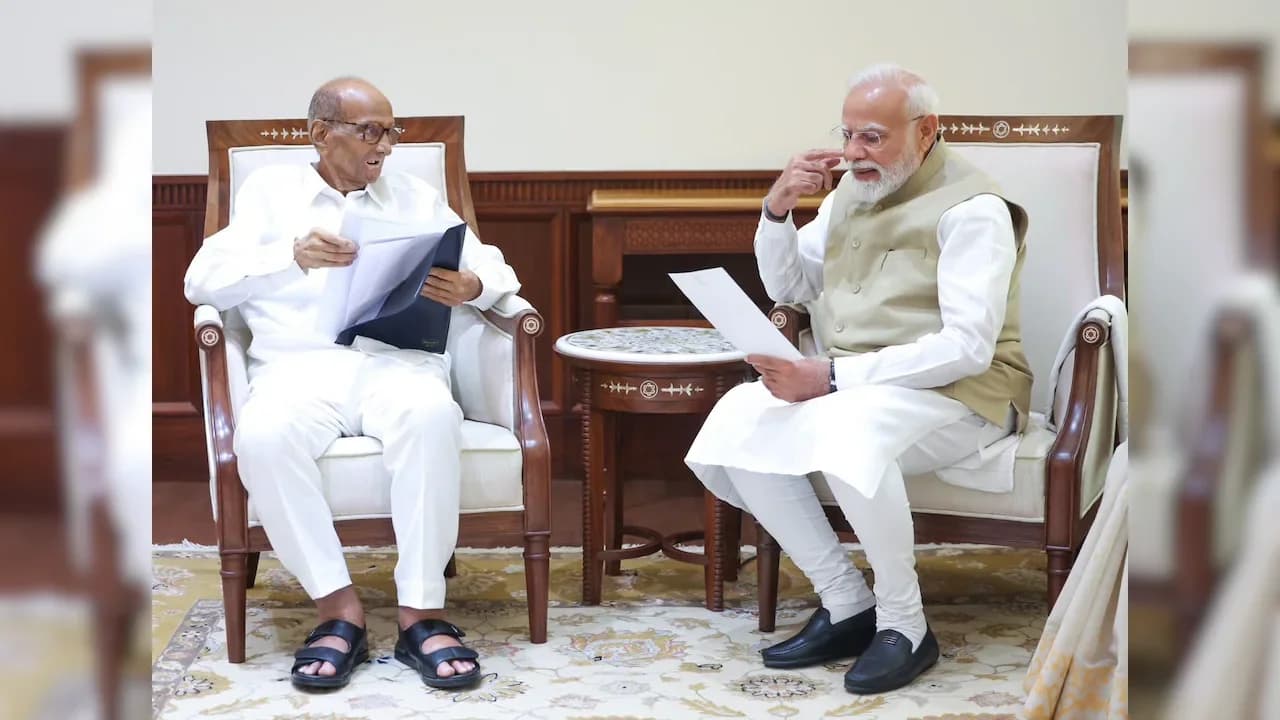
According to reports from Business Standard, Modi's governance journey began in Gujarat in October 2001 when he became chief minister, where he achieved an agricultural GDP growth of around 9% per year between 2001-02 and 2013-14, the highest among major states. The transformation was built on an integrated ecosystem that included heavy investment in water infrastructure through check dams, farm ponds, and the Narmada canal system, along with micro-irrigation technology. The Jyotigram scheme separated agricultural feeders and provided reliable electricity, while all-weather rural connectivity through roads integrated farmers with markets and services. As reported by The Times of India, when Modi became Gujarat CM, the state was recovering from the Kutch earthquake earlier that year, with his government focusing on reconstruction, water management, irrigation, and infrastructure. The expansion of check dams and the Narmada canal system resulted in strong agricultural and industrial growth in the state.
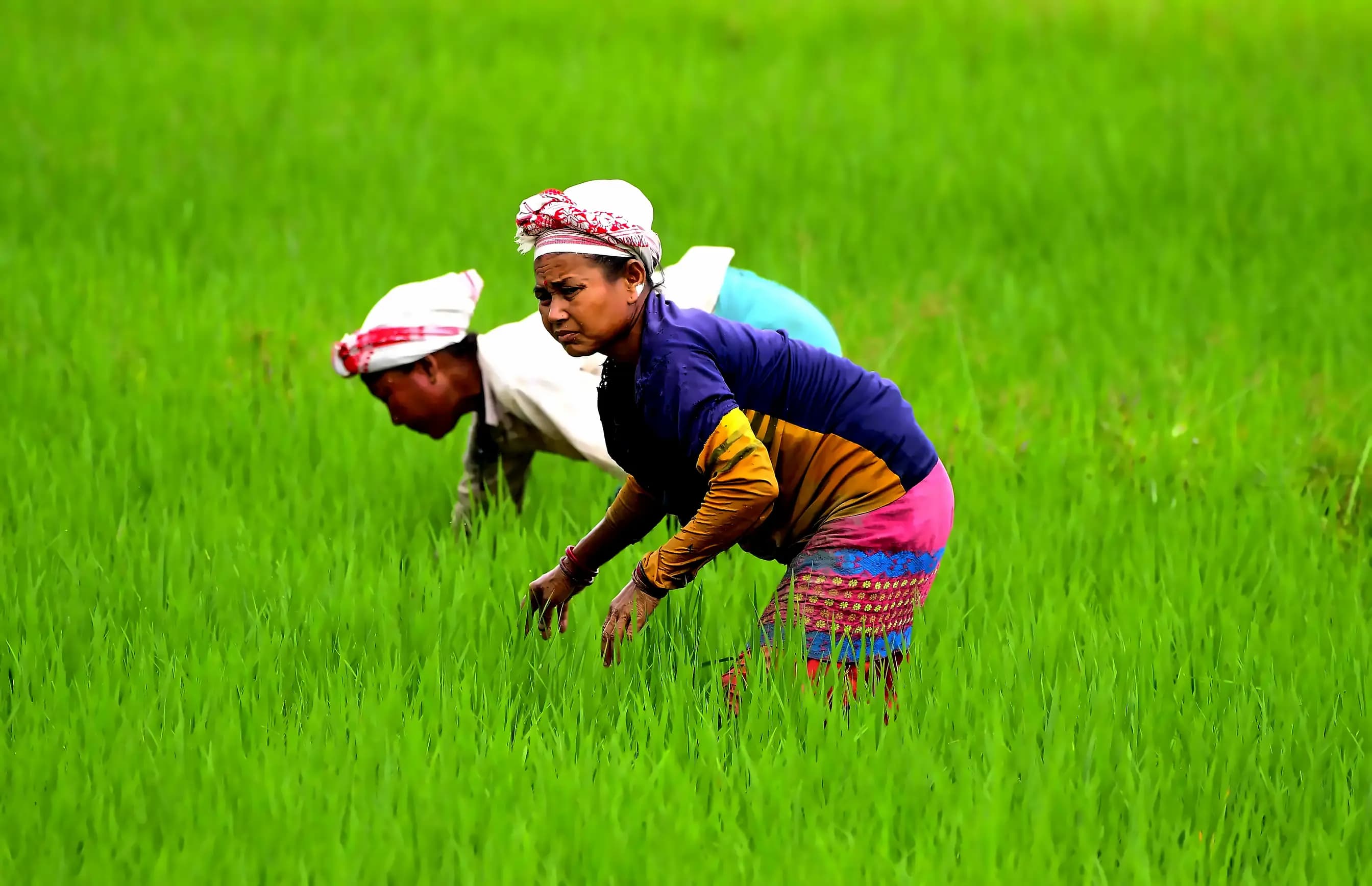
As reported by Business Standard, when Modi became prime minister in May 2014, several Gujarat experiences were translated into national programmes. Water management received greater attention with Soil Health Cards bringing scientific soil testing and informed nutrient management into mainstream agriculture. The Amrit Sarovar initiative added another layer to water asset creation and rejuvenation efforts. The PM-KISAN direct income support scheme has transferred more than ₹4.46 trillion through 23 instalments by June 2026, creating a direct, digital and transparent financial channel between government and farmers. Modi's move from Gandhinagar to Delhi marked a shift from state-level governance to national administration, with the government pursuing a range of economic, social and foreign policy initiatives over the following decade.
According to latest reports, Modi's governance reforms extended beyond agriculture to include Kanya Kelavani, a campaign that mobilised parents and communities to send children, particularly girls, to school. As Chief Minister, Modi started a campaign to celebrate school admission with Shala Praveshotsav, where first-time students were welcomed with tilak, sweets, school supplies and a village procession. The State Wide Attention on Grievances by Application of Technology enabled people to raise grievances directly with the Chief Minister, bringing accessibility, accountability and time-bound action into the heart of administration. Technology became the bridge between the citizen and the highest level of government, demonstrating how digital transformation could streamline governance processes.
According to Business Standard, the post-2014 period saw agriculture being understood as more than crop production, with the cooperative sector receiving its own ministry. India's honey production has nearly doubled over the last decade through the Sweet Revolution initiative, while the ₹11,440 crore Mission for Aatmanirbharta in Pulses aims to raise domestic pulse production. The farmer producer organisations (FPOs) provide small farmers advantages of scale in input buying, technology access, and market linkages, moving beyond traditional agricultural support towards direct farmer empowerment. The BJP's month-long Seva Sankalp Abhiyan is celebrating Modi's 25-year milestone through programmes and outreach initiatives linking his birthplace Vadnagar with his parliamentary constituency Varanasi.
As reported by Business Standard, the Modi government's rural transformation included more than 30 million rural houses completed under PMAY-G, rural tap-water coverage rising from 17% to over 80% under Jal Jeevan Mission, and PMGSY bringing all-weather road connectivity to more than 99% of eligible rural households. These infrastructure investments are described as economic investments as much as welfare interventions, with roads connecting farmers to markets and services while electricity supports irrigation and non-farm enterprise. The Jyotigram Yojana provided reliable electricity to rural Gujarat while balancing the needs of agriculture and households, with rural households gaining dependable power that expanded non-farm economic activity and nearly halved agricultural power subsidies.