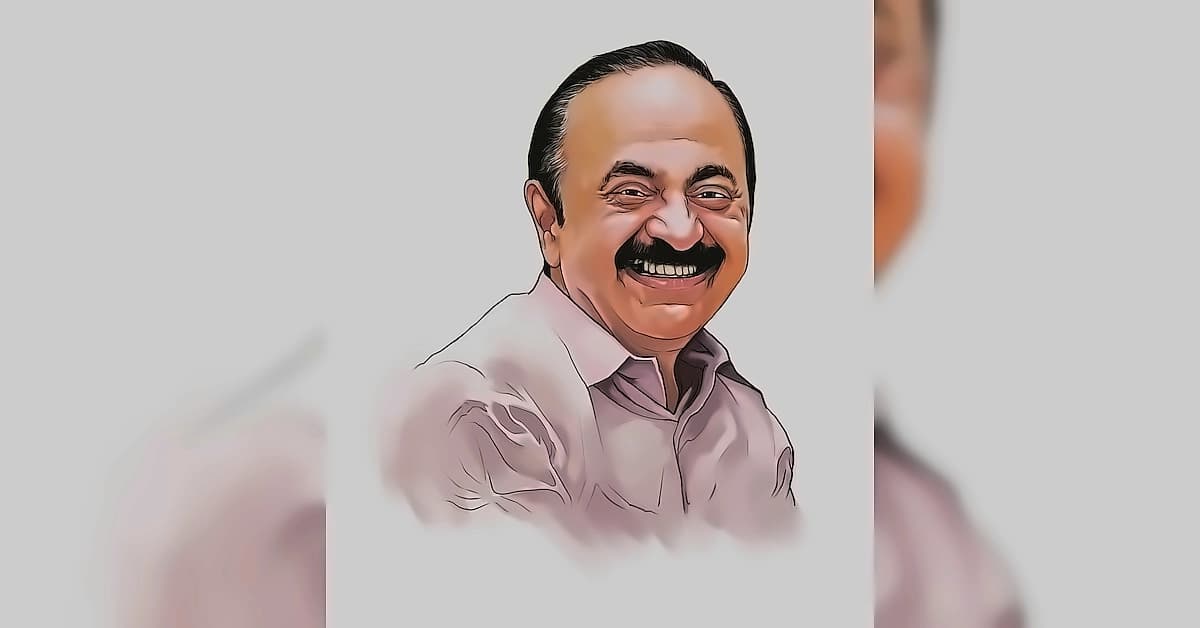
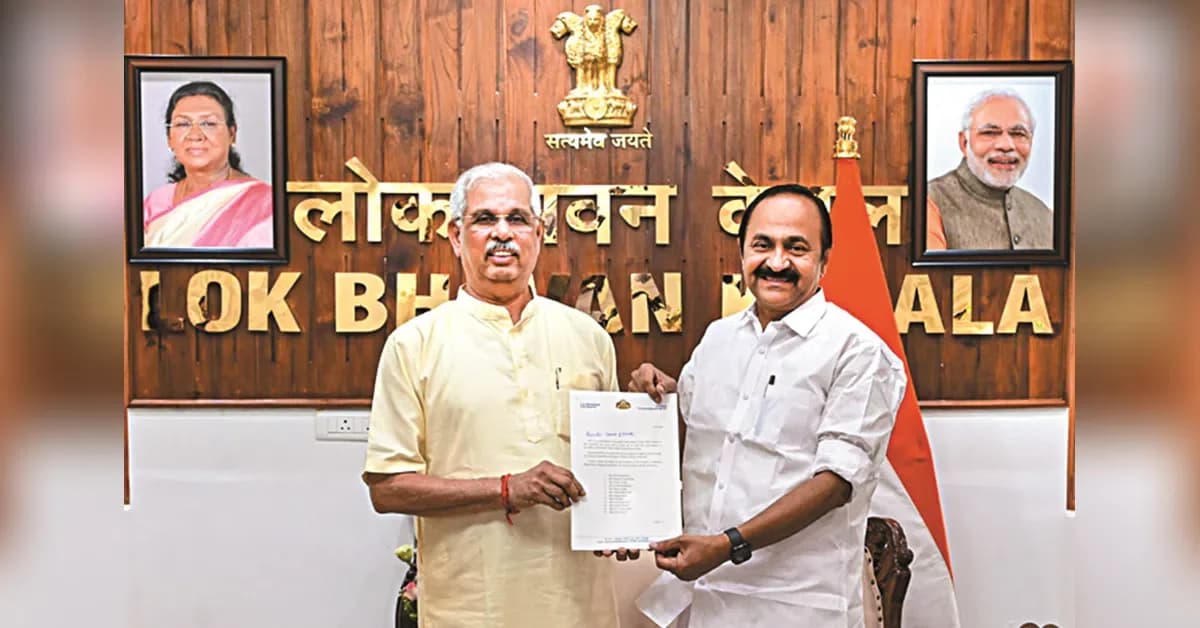
V D Satheesan was sworn in as Kerala Chief Minister on Monday alongside his 20-member Cabinet, marking the Congress-led United Democratic Front's return to power after a decade. According to Northeast Scoop, the swearing-in ceremony has set the stage for key decisions on portfolio distribution and the upcoming Assembly session. However, attention has shifted to reported disgruntlement within the alliance over Cabinet berths and ministerial allocations, highlighting the challenges of coalition governance in the state. The Congress-led UDF, which swept to power winning 102 of the 140 seats, will inherit significant fiscal challenges while managing internal alliance dynamics.
Satheesan has outlined a comprehensive vision centered on transforming Kerala into a global port hub through coastal shipping and maritime development. As reported by Business Standard, he emphasized the state's strategic advantages: 600 kilometres of coastline, two international seaports, one container terminal and 17 mini ports. The plan involves shifting cargo movement to coastal vessels to reduce road congestion, lower emissions and bring down transport costs. The roadmap includes first logistics, then cruise shipping, and later integrating all the backwaters into these projects. The shipping, marine, tourism and allied sectors are betting heavily on this new government's maritime focus, with industry leaders expressing optimism about the comprehensive coastal shipping network.
Industry representatives have outlined specific demands for the new government, particularly focusing on logistics infrastructure and IT sector development. According to Business Standard, the Federation of Business Organizations (FBO) wants the government to focus on large logistics parks and Free Trade Warehousing Zones (FTWZs) around Vallarpadom and Vizhinjam port projects. The FBO also emphasized the need for global capability centres (GCCs) and improved IT sector facilities, noting that around six departments currently handle licensing for industries and recommending more lenient norms. Industry executives credit the previous government for improving Kerala's Ease of Doing Business rankings from 28th place in 2021 to the top position nationally.
The new government faces significant constraints in welfare spending, with around 70% of the state's revenue earmarked for salaries, pensions, and social welfare schemes. As reported by Business Standard, the government has proposed free travel for women in Kerala State Road Transport Corporation buses, ₹1,000 monthly support for girl students pursuing undergraduate and postgraduate courses, and ₹25 lakh medical insurance for all families. With 1.9 million women using buses daily, these welfare commitments could strain the exchequer, particularly as the state has limited ability to raise revenue beyond liquor and lottery taxes. Industry representatives believe the government should avoid major salary hikes until the fiscal situation improves.
Despite the challenges, industry executives maintain optimism about Satheesan's long-term vision for Kerala's economy. According to Business Standard, Jeevan Varghese from Lexfins 360 emphasized the need for Kerala to revamp its IT policy and market the state's potential globally. Vivek Govind from TiE Kerala highlighted the need for continuity in bureaucratic appointments with minimum three-year terms and proper project identification. The state's migration back to Kerala is increasing, requiring more job creation, while the previous government's success in topping Ease of Doing Business rankings for two consecutive years provides a foundation for continued improvement. However, pending bills, salary payments and repayment of Kerala Infrastructure Investment Fund Board loans remain immediate concerns for the new government.