India's industrial output demonstrated robust growth in May 2026, with the Index of Industrial Production (IIP) rising 5.1% year-on-year to reach 122.7 points, according to latest data released by the Ministry of Statistics and Programme Implementation (MoSPI). This growth was supported by expansion in manufacturing and electricity and gas supply sectors, while mining and quarrying contracted during the month. The latest data shows improvement from 4.9% growth recorded in April 2026, though it remains below the 6.3% expansion recorded in May of the previous year under the revised series. The cumulative industrial growth for April-May stood at 5.1%, compared with 4.1% during the corresponding period last year, suggesting the economy has begun FY27 on a stronger footing. Economists polled by Reuters had expected industrial output to ease to 4.5% in May, making the actual 5.1% reading a positive surprise. In a regional context, India's industrial performance remains among the strongest in Asia, outpacing several neighboring economies that are grappling with slower export demand and political uncertainties.
Manufacturing, which carries the largest weight in the index at 76% of the IIP basket, emerged as the primary growth driver with a 5.5% increase, while electricity and gas supply recorded strong growth of 9.9%, improving significantly from 4.6% in April. Water supply, sewerage and waste management also contributed positively with 5.5% growth. However, mining and quarrying contracted by 1.6% during the month, though the contraction narrowed compared with a 3.8% month-on-month decline. Within manufacturing, 16 of the 23 industry groups recorded positive growth, with the biggest contributors including motor vehicles, trailers and semi-trailers with 14.5% growth, electrical equipment expanding 20.8%, and basic metals growing 4.6%. The manufacturing sector, which accounts for more than three-fourths of the index, has been the key driver of overall industrial growth in recent months. The indices of Industrial Production for Mining & Quarrying, Manufacturing, Electricity & Gas Supply and Water Supply, Sewerage & Waste Management for the month of May 2026 stand at 112.9, 122.6, 129.6 and 145.1 respectively.
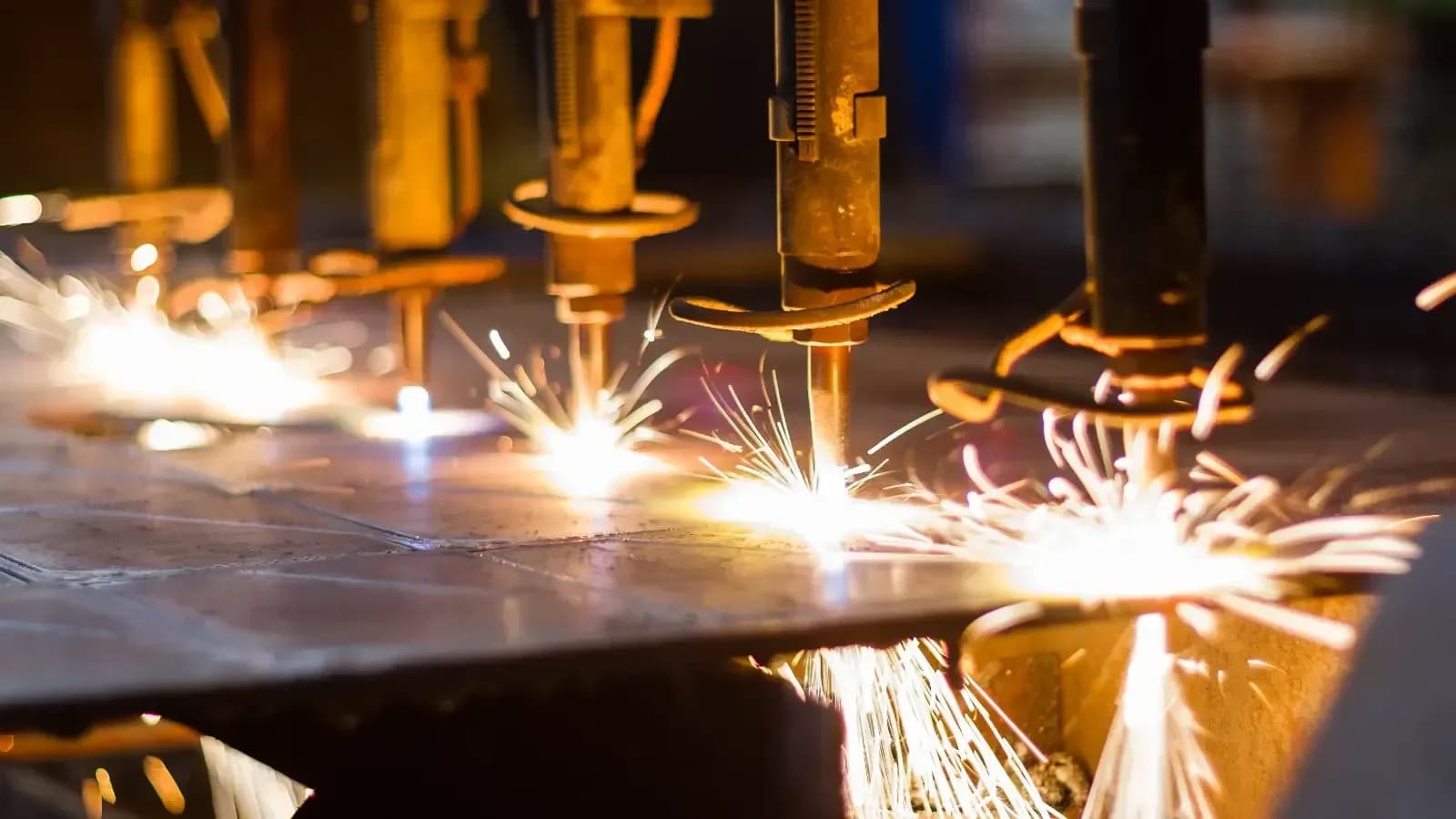
Within the manufacturing sector, 16 of the 23 industry groups recorded positive growth in May, as reported by MoSPI. The biggest contributors included motor vehicles, trailers and semi-trailers with 14.5% growth, electrical equipment expanding 20.8%, and basic metals growing 4.6%. On a use-based basis, capital goods recorded the strongest growth at 12.9%, followed by consumer durables at 7.2%. Within the motor vehicles segment, passenger cars, auto components, spares and accessories, and commercial vehicles were identified as the major contributors to growth. For electrical equipment, growth was supported by electrical apparatus for switching or protecting electrical circuits, transformers (small), and UPS and solid-state drives. In the basic metals segment, HR coils and sheets of mild steel, HR plates of mild steel, and bars and rods of alloy and stainless steel were among the key contributors. The manufacturing sector plays a key role in providing quality jobs to young graduates passing out from the country's engineering institutes and universities.
According to the use-based classification, capital goods output recorded the fastest growth of 12.9% in May, reflecting the real investment taking place in the economy which has a multiplier effect on job creation and income generation. Consumer durables such as electronic goods, refrigerators, and TVs posted a 7.2% increase, reflecting higher consumer demand for these items amid rising incomes. Infrastructure and construction goods increased 5.9%, driven by the government's big-ticket investments in highways, ports, and railway projects which create large-scale employment and drive up overall economic growth. Consumer non-durables such as soaps and cosmetics posted a 3.6% growth during the month. The corresponding indices stood at 135.3 for capital goods, 130.8 for infrastructure and construction goods, 123.1 for intermediate goods, 120.4 for consumer durables, 119.6 for primary goods and 118.4 for consumer non-durables.
MoSPI announced a significant methodological change, adopting the Output Producer Price Index (Output PPI) as the deflator for the new IIP series with base year 2022-23, replacing the Wholesale Price Index for the revised series. The change covers 234 of the 463 item groups included in the IIP basket, representing 36.02% of the total index weight. As per the official data, MoSPI has decided to discontinue the use of WPI and has adopted the Output PPI as the deflator for the new IIP series. The ministry said the Output PPI provides a more granular measure of producer prices than the WPI and would improve estimates of real industrial output for sectors where production data is reported in value terms. The ministry added that the adoption of Output PPI aligns with international best practices and the recommendations of the Technical Advisory Committee on the base revision of the IIP, and will facilitate the eventual adoption of PPI-based volume estimation methods in the National Accounts. The next set of IIP data, covering June 2026, will be released on July 28.