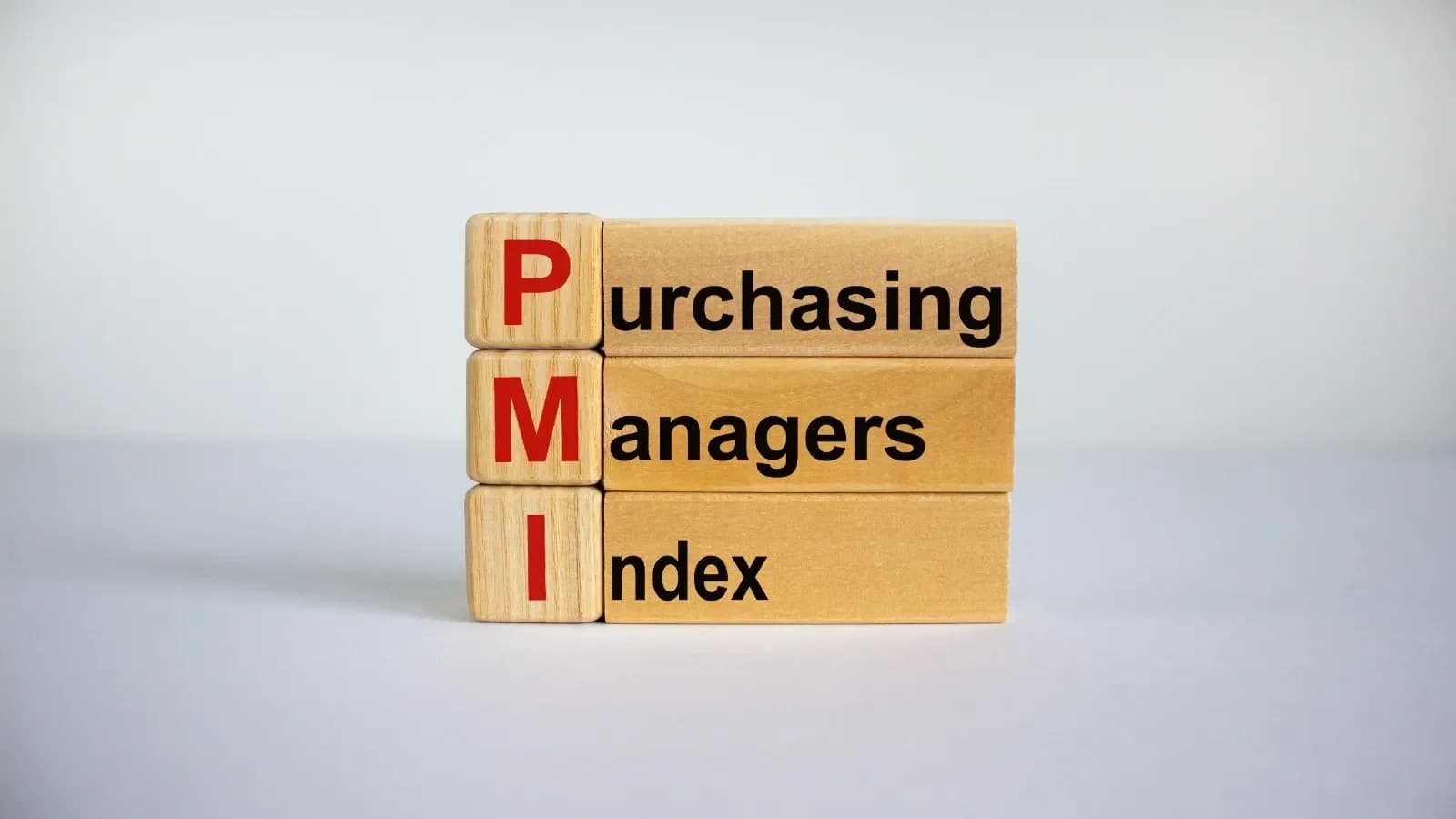
India's manufacturing sector demonstrated strong resilience in May, with the Purchasing Managers' Index (PMI) rising to a three-month high of 55.0, according to data compiled by S&P Global on Monday. This represents an improvement from April's manufacturing PMI of 54.7 and exceeded the flash estimate of 54.3, indicating continued expansion in the sector. The final PMI reading signalled the strongest improvement in the health of India's manufacturing sector in three months, as reported by HSBC. The PMI serves as a weighted average of indices measuring new orders, output, employment, suppliers' delivery times, and stocks of purchases, with readings above 50 indicating expansion while figures below 50 signal contraction. The headline figure has remained in the expansion zone for the 55th consecutive month, demonstrating sustained sectoral strength. As per HSBC chief India economist Pranjul Bhandari, "India's final manufacturing PMI points to another month of possible precautionary stockpiling as the Middle East conflict remains unresolved. Output growth accelerated, while purchasing activity and stocks of finished goods rose at a faster pace."
New orders expanded strongly during May, growing at the fastest rate since February, primarily supported by civil engineering projects, competitive pricing and favourable demand conditions, as reported by Reuters. However, export order growth moderated compared with April, reflecting softer external demand conditions and representing the slowest pace in three months. This domestic-led growth pattern suggests that while international markets faced challenges, domestic manufacturing demand remained robust and drove overall sector performance. Survey participants attributed the increase to favourable market conditions, competitive pricing and demand from civil engineering projects, with domestic demand remaining the primary driver of growth. According to The Hindu, goods producers reported the fastest expansions in new orders and output since February, with demand strength, infrastructure projects, and new business gains cited as the main reasons behind the upturn. As per HSBC, new order growth was driven by domestic demand, as export order growth moderated, with manufacturers reporting export gains from markets across Asia, Europe, Kenya, Nigeria and the Middle East. Underlying data showed that the domestic market provided impetus to growth, as new export orders rose at a softer pace, indicating that domestic manufacturing demand remained the primary growth driver.
Factory output rose at its quickest pace in three months, with intermediate and capital goods leading the way, while consumer goods makers saw growth ease, according to Reuters. However, manufacturers faced significant cost pressures, with input price inflation recording its second-strongest reading in nearly four years, excluding April, driven by higher outlays for energy, fuel, materials and transportation. The ongoing conflict in the Middle East continued to exert pressure on manufacturing input costs, with companies reporting higher spending on energy, fuel, raw materials and transportation during the month. The rise in input prices in May was the second highest in 45 months, while the highest was seen in the previous month, as reported by HSBC. Capital goods topped the sectoral ranking for input cost inflation, followed by intermediate and then consumer goods, with the West Asia war cited as a contributing factor to these elevated costs. Despite the rise in costs, selling price inflation eased from April and remained below the pace of input cost growth, indicating that competitive pressures limited companies' ability to fully pass on higher expenses to customers. While 8% of companies passed on cost increases to customers, others refrained from doing so due to competitive pressures. According to HSBC, input cost inflation eased slightly on the month, and output price inflation slowed more sharply, suggesting a potential squeeze on manufacturers' margins.

Hiring continued during May, though the pace of job creation slowed from April, as reported by Reuters. Despite elevated costs, manufacturers sharply increased purchasing activity at the fastest rate in three months, partly to build contingency stocks, with some firms reporting building contingency inventories to guard against potential supply disruptions and further cost increases. The rate of expansion was solid, despite slowing from April, with greater production requirements inducing another round of job creation across India's manufacturing industry. According to The Hindu, greater production requirements induced another round of job creation, with the pace of growth in buying levels the quickest in three months and above the historical trend, underpinned by attempts to raise contingency stocks. Business confidence remained positive, with companies expressing hope that cost pressures would ease, supported by strong order pipelines and continued marketing efforts, with advertising and strong order pipelines also supporting optimism towards growth prospects. As per HSBC, output growth accelerated, while purchasing activity and stocks of finished goods rose at a faster pace, helping the sector maintain solid growth momentum despite ongoing cost pressures. The pace of accumulation was the highest in 11 years, indicating manufacturers' efforts to build strategic reserves amid ongoing supply chain uncertainties.
The latest PMI data shows back-to-back increases in stocks of finished goods, with monitored companies stating that supply exceeded demand, according to the survey. Despite inflationary pressures, notwithstanding sharp increases in input costs, goods producers purchased more materials in May, with the pace of growth in buying levels the quickest in three months and above the historical trend. The rate of growth in buying levels was sharp, the quickest in three months and above the historical average, underpinning the rise in purchasing activity. According to HSBC chief India economist Pranjul Bhandari, "India's final manufacturing PMI points to another month of possible precautionary stockpiling as the Middle East conflict remains unresolved." The survey noted that while 8% of companies passed on cost increases to customers, others refrained from doing so due to competitive pressures, while output price inflation slowed more sharply, suggesting a potential squeeze on manufacturers' margins. The domestic market fuelled growth, with new order growth driven by domestic demand, as export order growth moderated, indicating that while international markets faced challenges, domestic manufacturing demand remained the primary growth driver. Business confidence remained positive, with companies hoping that cost pressures would fade later in the year, supported by strong order pipelines and continued marketing efforts.