The Reserve Bank of India has confirmed that high frequency indicators suggest resilience in industrial activity during April 2026, despite ongoing West Asia conflict. According to RBI's May bulletin, the index of eight core industries witnessed an uptick, supported by cement, steel and electricity production. The central bank noted that manufacturing PMI also rose marginally as cost pressures and geopolitical spillovers kept growth momentum in new orders and output slow, indicating underlying strength in industrial activity despite external challenges.
India's core industries demonstrated resilience in April 2026, with the index of eight core industries growing 1.7% compared to a 1.2% degrowth in March, according to provisional government data released on Wednesday. This recovery comes after the sector faced challenges from Iran war-triggered disruptions. The cumulative growth rate for April to March 2025-26 stood at 2.7% over the corresponding period of the previous year, marking the sixth consecutive month of growth for the combined index. The Index of Eight Core Industries measures the performance of coal, crude oil, natural gas, refinery products, fertilisers, steel, cement and electricity, which together account for 40.27% of the weight in the Index of Industrial Production.
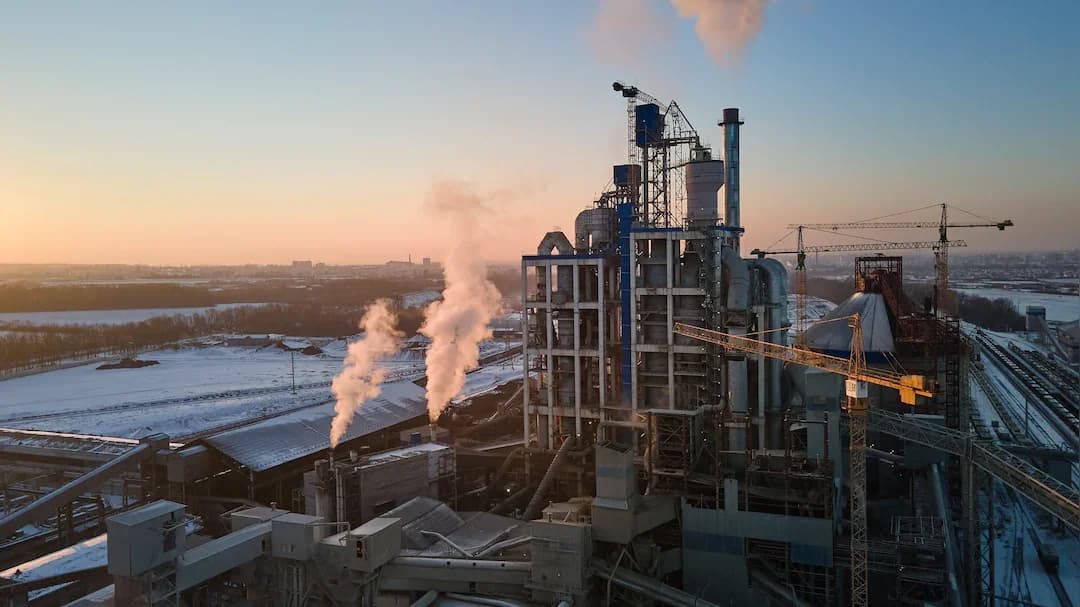
Five of the eight industries experienced contractions in April, with coal and crude oil being among the top drags on overall performance. However, three sectors witnessed expansions, led by cement and steel output. Cement production rose by 9.4% year-on-year, showing significant improvement from the 4.7% growth recorded in March, indicating recovery after a slight slump in construction activity. Steel production grew by 6.2% in April, though lower than March's 7.7% growth, maintaining consistency in the sector's performance. Electricity generation rose 4.1% in April, a substantial improvement from the 0.8% growth in the previous month, contributing significantly to the overall sectoral recovery. As per India Ratings & Research, this improved performance is expected to increase the upcoming industrial production growth to around 5%.
The coal sector faced significant headwinds with output declining 8.7% year-on-year, worsening from a 4% drop in March. Fertiliser output decreased by 8.6% in April, showing improvement from the 24.6% degrowth recorded in March, though the pace of decline moderated sharply from the previous month. Crude oil production declined 3.9% and natural gas output slipped 4.3% during the month. Petroleum refinery products, which hold the most weightage in the index, decreased by 0.5% after posting a 0.1% advance in the previous month. The electricity sector recorded positive growth, contributing to the overall sectoral recovery alongside cement and steel production.
Despite industrial challenges, the automobile sector continued to demonstrate strong performance with double-digit growth across major segments including passenger vehicles, three-wheelers and two-wheelers, supported by robust demand. According to RBI's May bulletin, capital goods imports saw strong double-digit growth in April, signalling sustained capital expenditure momentum. This positive development in automobile and capital goods sectors provides additional evidence of industrial resilience beyond the core industries data, suggesting that manufacturing activity remains robust despite geopolitical uncertainties.