India's rural women workforce participation has reached a historic 40% in September 2026, up dramatically from 24.6% in 2017, according to the latest official employment data. This surge represents the highest rural female labour force participation rate in decades, driven primarily by economic necessity rather than job opportunities. As reported by The Straits Times, economists describe this as a 'participation paradox' where women are joining the workforce not because of better jobs but due to widespread economic distress in rural areas. The trend shows rural women's share rising from 23.7% to 44.9% over the past seven years, while urban participation has remained largely unchanged at around 25%.
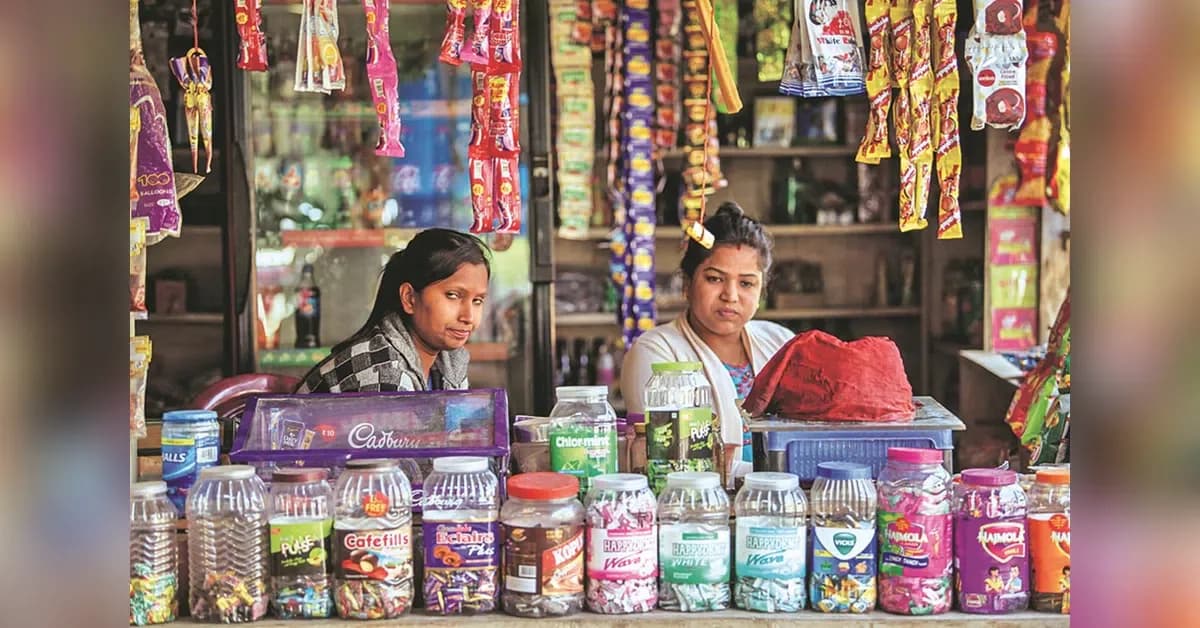
The increase in women's workforce participation has been concentrated in insecure employment categories rather than formal, secure jobs. According to the Icrier study, own-account workers among rural women rose dramatically from 13.9 million to 56 million, lifting their share of rural women's employment from 18.6% to 37.2%. Regular salaried employment for rural women increased from 7.9 million to 13.9 million, but its share declined from 10.5% to 9.3%. Recent data from an October 2026 Oxfam study reveals that self-employment increased from 57% in 2017 to 73% in rural areas, with around 59% of self-employed women serving as unpaid helpers in family businesses. As reported by The Straits Times, women are increasingly participating in 'bottom-of-the-rung survivalist activities' including unpaid farm labour, small shops, and gig jobs.
The wage disparity between men and women has widened significantly across all employment categories. According to the Icrier study, nominal monthly wages rose about 65% for rural men between 2017-18 and 2025, against 41% for rural women. In wage employment, women earn approximately 65-70 rupees for every 100 rupees a man makes, while in self-employment, the gender pay gap is even worse with women earning only 37 rupees for every 100 a self-employed man makes, as noted by Sona Mitra, principal economist at the Initiative for What Works to Advance Gender Equality. The monthly rural wage gap nearly doubled, increasing from about ₹4,200 to over ₹8,000 in nominal terms.
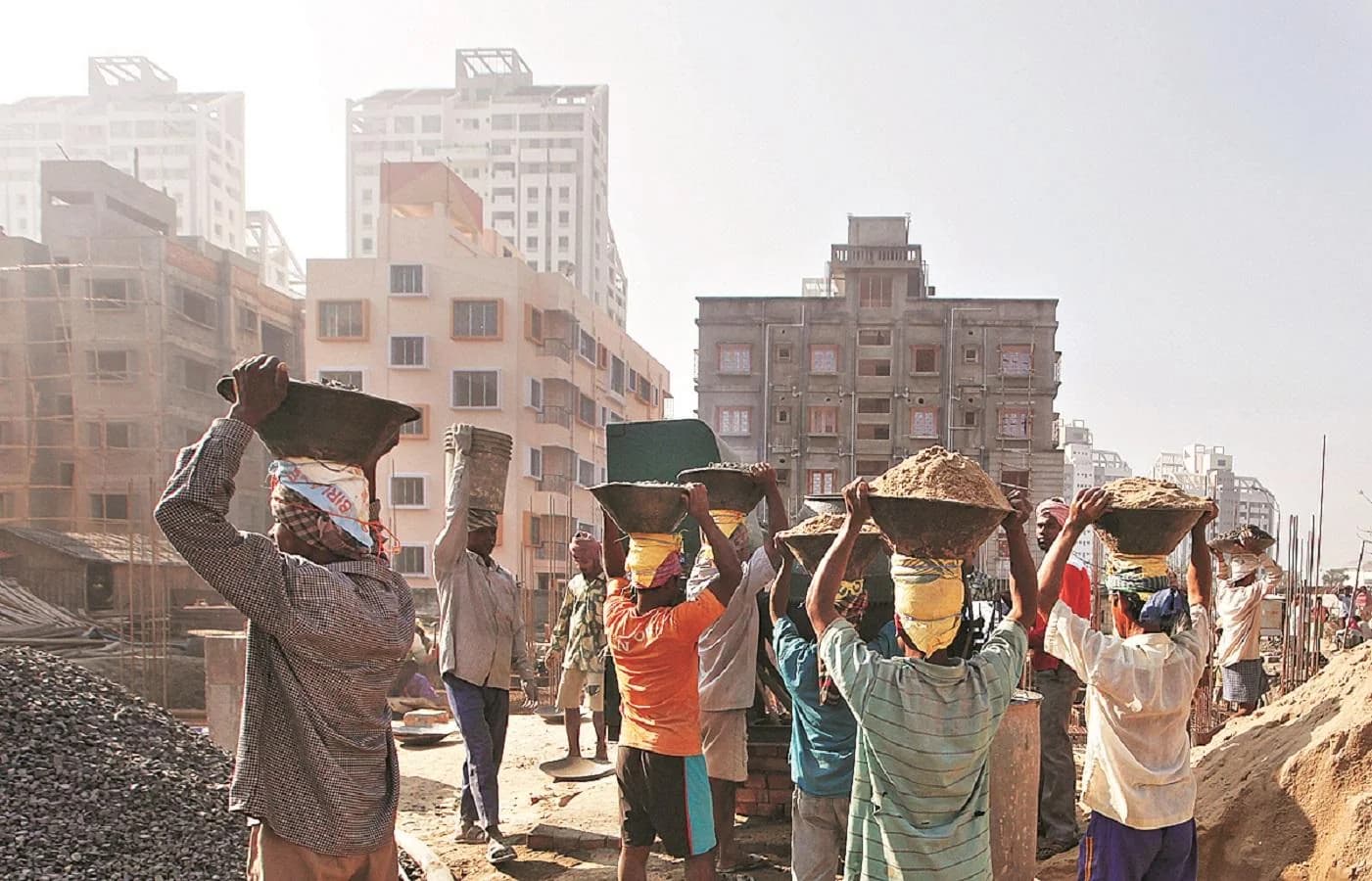
Despite increased participation, working hours have decreased across all groups, with rural women experiencing the most significant reduction. As reported by The Straits Times, cases like Kavita Mahto and Divya Kumari demonstrate the limits of this employment shift. Kavita ran barefoot in a turquoise sari to secure a Home Guards job paying ₹1,088 per day, but despite her success in the time trial, she didn't qualify due to not clearing the high-jump test and has returned to construction work. Divya Kumari, a 29-year-old high-school graduate, opened a betel nut and tobacco shop with a ₹100,000 government loan but earns barely ₹200 profit daily after costs. Rural female unemployment remains at its lowest at 3.9%, while urban unemployment is 9.2%, highlighting the concentration of economic distress in rural areas.
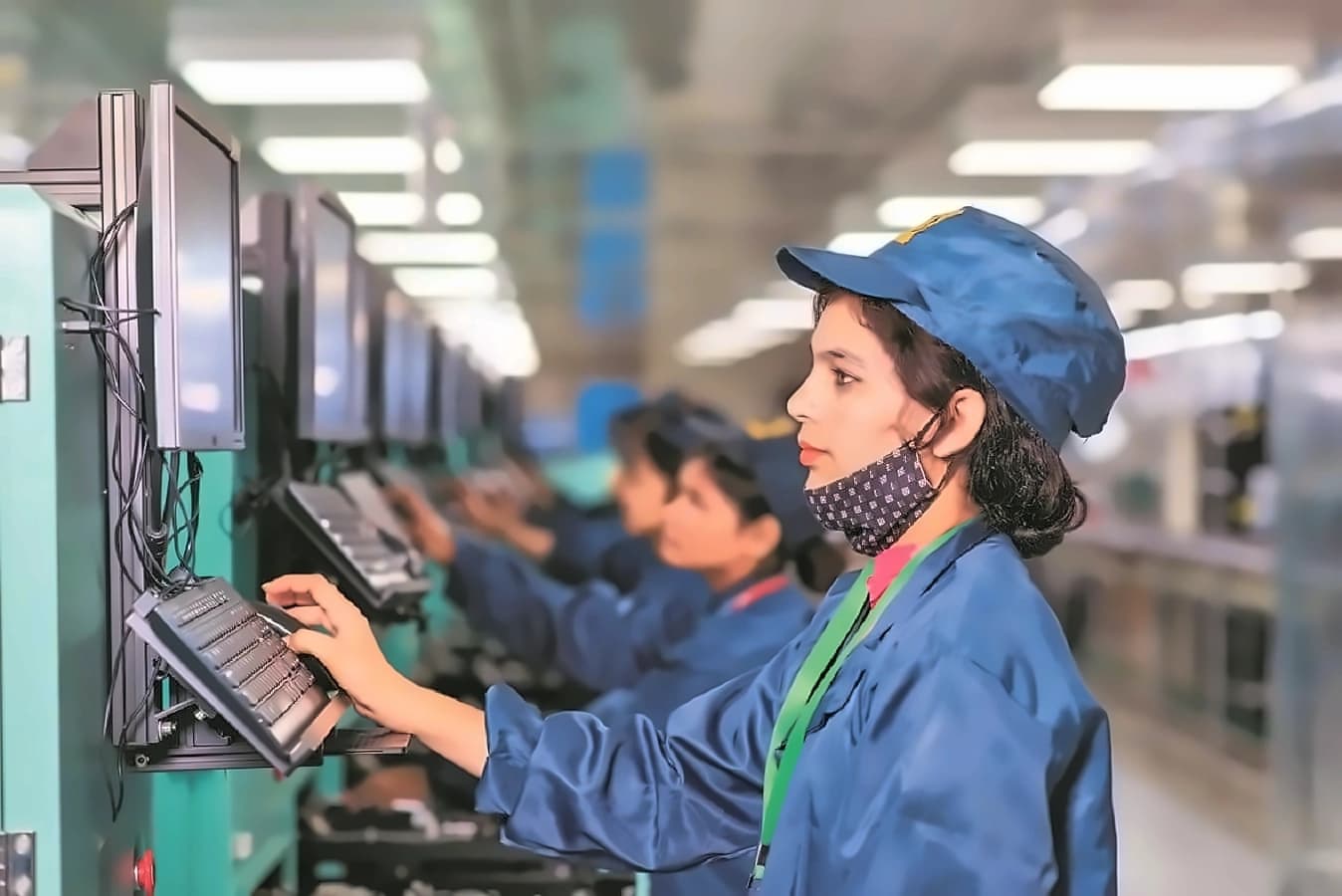
Despite increased paid work participation, women's unpaid domestic responsibilities have remained largely unchanged. Time-use surveys for 2019 and 2024 show the gap in unpaid domestic work was broadly unchanged at about 223 minutes a day among participants in 2024. The gap in care work edged up slightly from 58 to 63 minutes. Working women also had less self-care time than women overall, with about 18 minutes less a day in rural areas and 31 minutes in urban areas. Six in 10 women outside the labour force cited childcare and household commitments as the main reason for not working, against virtually no men. As reported by The Straits Times, women are still 'stepping in to keep the family from starving' through home-based part-time work, showing they are 'still not able to go too far from their home due to household duties' despite increased participation.