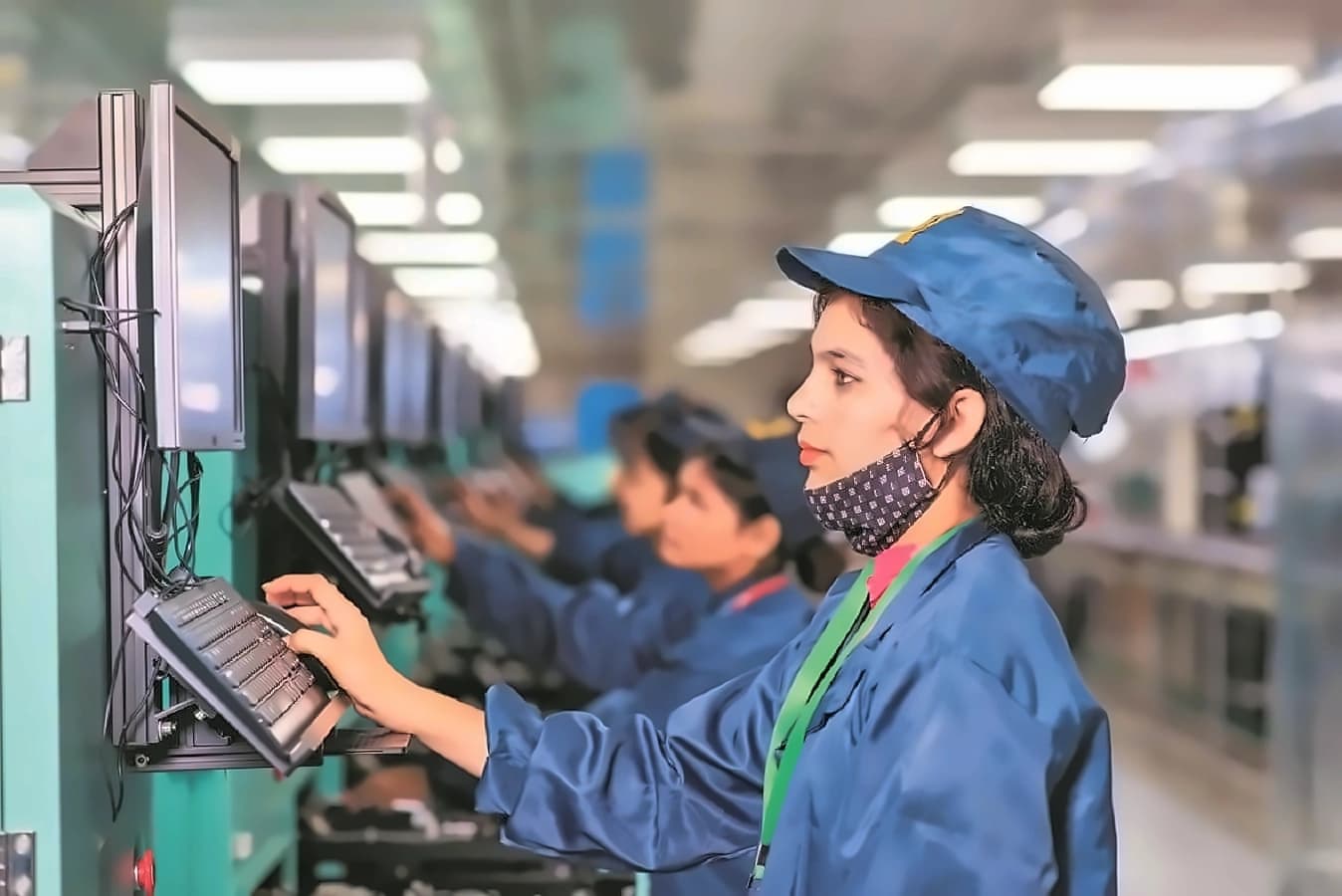
The International Labour Organisation (ILO) is conducting a detailed study to examine India's gender wage gap through both quantitative and qualitative analysis. According to reports from Business Standard, the study will use publicly available databases and government statistics, including the Periodic Labour Force Survey (PLFS) and enterprise surveys, to assess differences in earnings between men and women. The analysis will examine factors contributing to wage disparity, including differences in educational qualifications, work experience, and occupational hierarchy, which can explain part of the wage gap. However, average wage comparisons may not capture differences arising from gender-based discrimination, including how women's work is classified and valued.
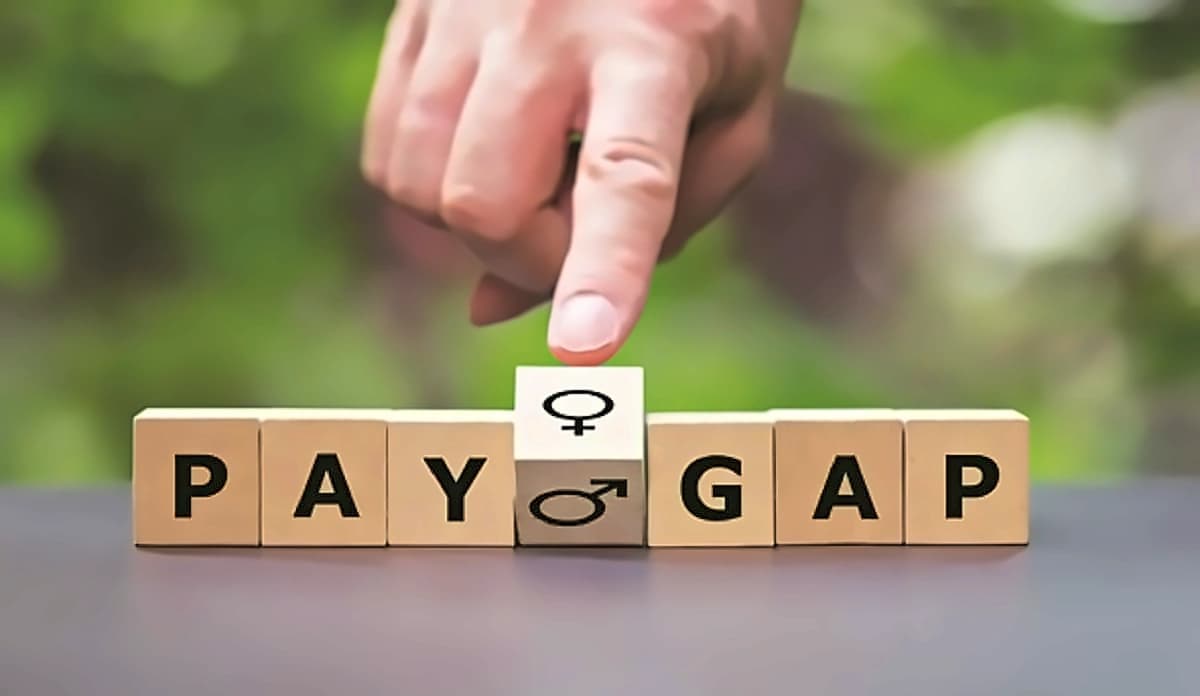
The qualitative analysis will specifically examine less visible forms of gender disparity and map the unexplained component of the wage gap. As reported by Business Standard, an ILO official explained that while there is wage disparity due to differences in education, experience and designation, there is also general discrimination based on gender. The official cited an example where a woman working in a hotel may be designated as a 'cook' while a man with similar qualifications and tasks may be named a 'chef' and paid more. This analysis aims to understand how women's work is classified and valued, which may not be captured in average wage comparisons. By combining statistical analysis with qualitative research, the ILO study is expected to examine not just the scale of the wage gap but also the social and workplace practices that sustain it.
According to Business Standard reports, the ILO's analysis shows that the global gender wage gap narrowed from 22 per cent in 2016 to 20 per cent in 2026. An ILO report released last week revealed that women employees in India earn about 28 per cent less per hour than men. This positions India as having the fourth-widest gender wage gap among the 23 Asia-Pacific economies covered by the report, after Tonga (about 64 per cent), South Korea (about 41 per cent) and Vanuatu (about 29 per cent).
Preliminary work on the report suggests that southern states perform relatively better than northern states in terms of the gender wage gap, according to Business Standard reports. Higher educational attainment and historically more progressive social norms partly explain this difference. The study will also review maternity benefits and other government initiatives aimed at improving women's employment and participation in the workforce, examining how such measures have addressed barriers to women's employment and earnings. While female labour force participation has increased in recent years, concerns remain over the quality of jobs available to women, wage disparities and their limited representation in higher-paying occupations and leadership positions.
The ILO study comes amid efforts to improve women's participation in India's workforce and expand their access to gainful employment. The findings could help identify areas where policy interventions need to address discrimination in job allocation, designations and pay. The ILO is also looking to collaborate with a national external collaborator to support the preparation of the India report, involving reviewing national and state-level policies and conducting stakeholder consultations to inform policy recommendations for reducing the wage gap. The assignment will involve synthesising evidence on gender pay disparities and conducting stakeholder consultations to inform comprehensive policy recommendations.