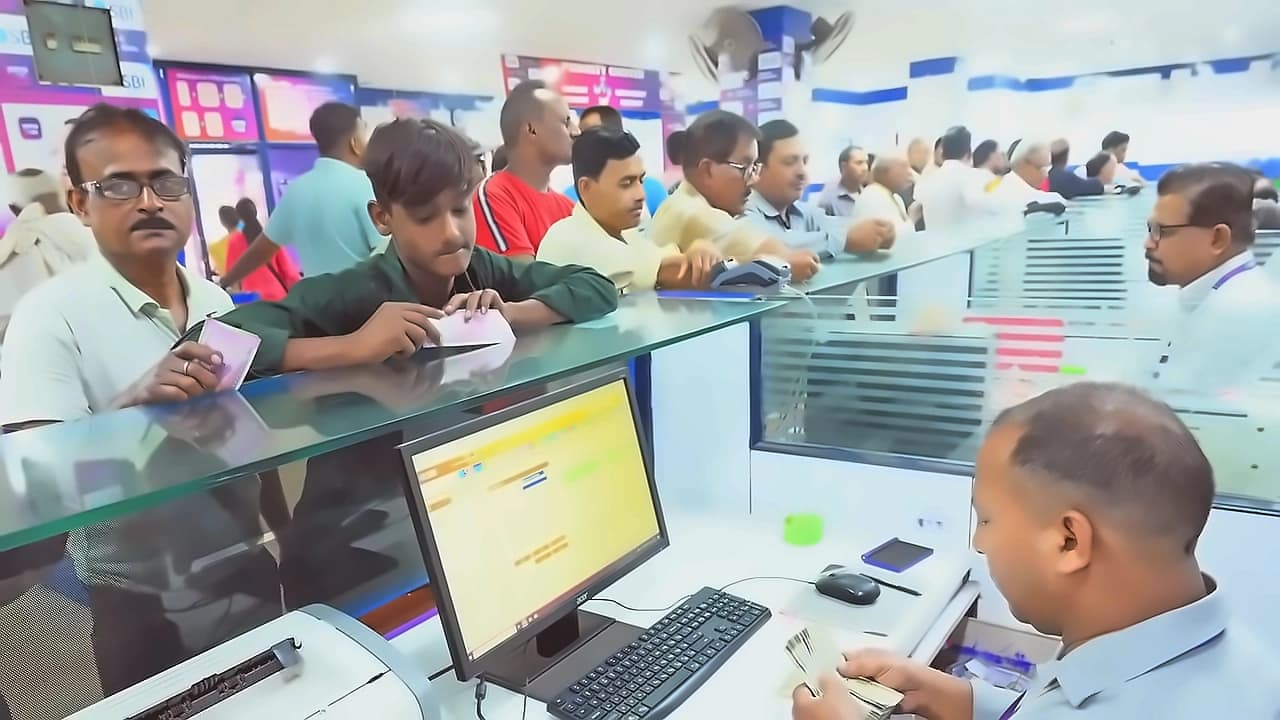
India's services sector demonstrated remarkable resilience in April, with exports growing 13.4% year-on-year to USD 37.24 billion while imports fell marginally to USD 16.66 billion, according to a report from B2K Analytics. This strong performance in the services sector helped offset a widening merchandise trade gap driven by higher energy costs. The robust services growth reflects India's continued strength in sectors such as IT, business services, and professional services despite global uncertainties and ongoing geopolitical headwinds.
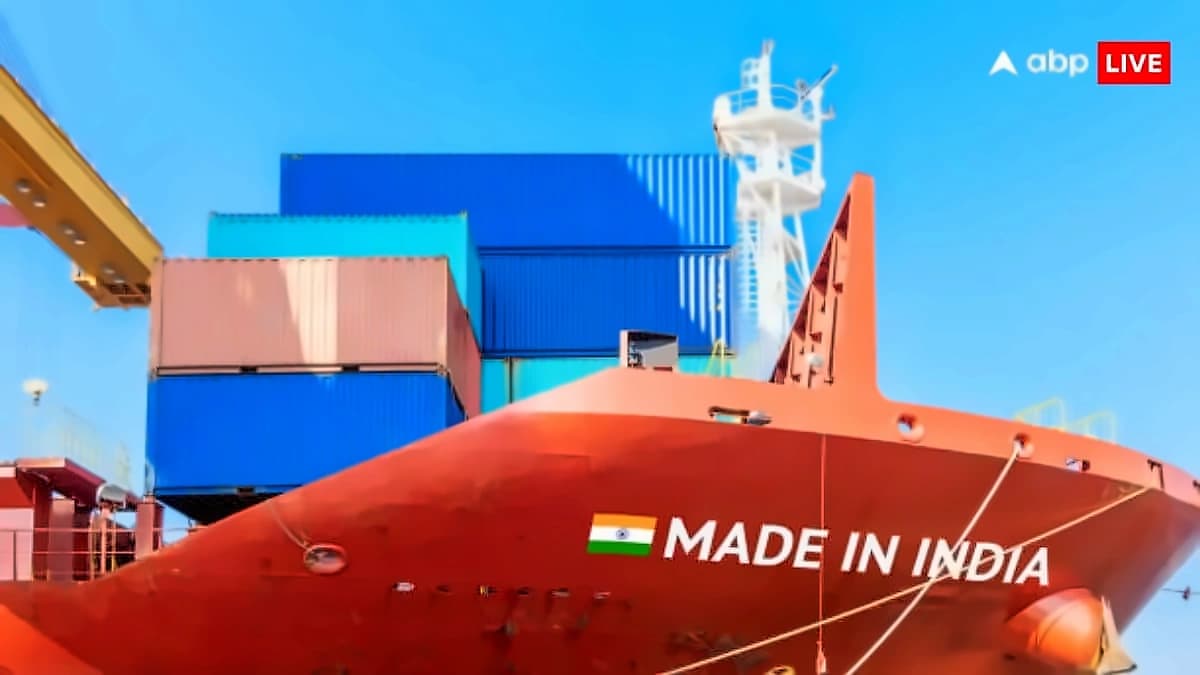
Despite strong services performance, India faced significant challenges in merchandise trade during April. Merchandise exports rose 13.8% to USD 43.56 billion, but imports surged 10% to USD 71.94 billion, creating a merchandise trade deficit of USD 28.38 billion compared with USD 27.10 billion a year earlier. However, India's overall trade deficit, including both merchandise and services, narrowed to USD 7.8 billion during the month, as reported by B2K Analytics. The import surge was largely driven by higher crude oil prices and rising energy-related costs amid ongoing geopolitical tensions in West Asia.
The merchandise import surge was primarily attributed to geopolitical developments in the Middle East. Closure of the Strait of Hormuz and stalled US-Iran peace negotiations have significantly disrupted global energy supply chains, resulting in higher oil prices and renewed inflationary pressure across major economies. According to the report, Russia emerged as a key energy supplier as India increased crude purchases amid supply disruptions in the Gulf region, highlighting the country's strategic pivot in energy sourcing during these challenging times.
India continued to diversify its export markets while maintaining strong relationships with traditional partners. The United States remained India's largest export destination, while exports to markets such as Singapore, the UAE, Bangladesh, and the Netherlands recorded strong sequential growth as India continued to diversify its trade partnerships. As reported by B2K Analytics, overall India's exports are concentrated in manufacturing and commodity-linked sectors while imports are driven by energy, electronics, and precious metals.
Looking ahead, the report identifies several key risks to India's external sector outlook. Rising crude prices, rupee depreciation, and geopolitical instability remain key risks to India's external sector outlook and broader economic growth in FY27. However, the weakening rupee could enhance India's potential export competitiveness by making Indian goods cheaper. Despite ongoing geopolitical tensions, Union Minister of Commerce and Industry, Piyush Goyal, has said that the government is aiming for a USD 1 trillion export target for FY2027, driven by India's new trade agreements and the country's resilient services sector performance.