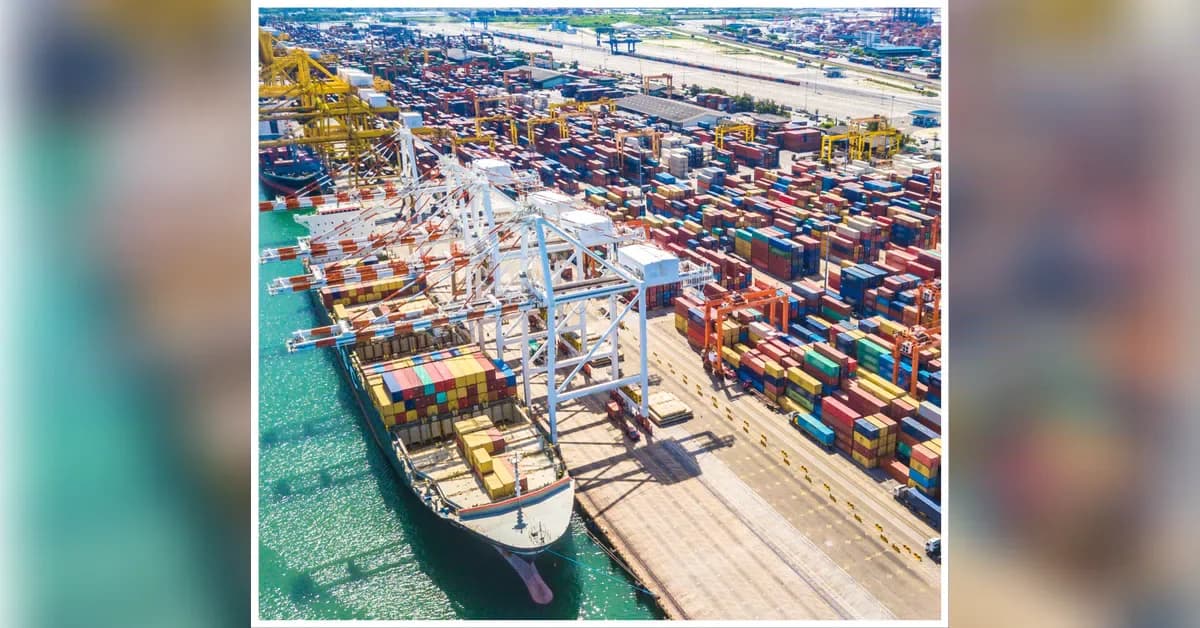
India's total trade reached $1.84 trillion in the January-March 2026 quarter, registering growth of 5.4%, according to a NITI Aayog report. However, the growth pattern revealed concerning trends in the country's external dependence. Imports grew at a faster pace of 6.5% compared to exports at 4.2%, indicating that external dependence remains elevated and domestic production is not expanding as rapidly as the global market. This growth trajectory mirrors global patterns, with countries like South Korea experiencing similar challenges in maintaining export-led growth models.
The merchandise trade segment showed significant strain during the quarter. Merchandise exports fell 2.8% to $112 billion, while merchandise imports rose 11.9% to $195.5 billion, as reported by NITI Aayog. This data suggests that the manufacturing sector remains under pressure, with the report identifying electrical machinery, mineral fuels and nuclear reactors among the leading export categories. Iron and steel exports grew 18.4% and vehicle exports rose 14.2%, while gems and jewellery exports declined, reflecting weaker global demand. The merchandise trade challenges reflect broader global trends where countries like South Korea are also experiencing semiconductor export volatility, with a 10% drop in global chip prices typically reducing GDP growth by 0.5 to 0.8 percentage points.
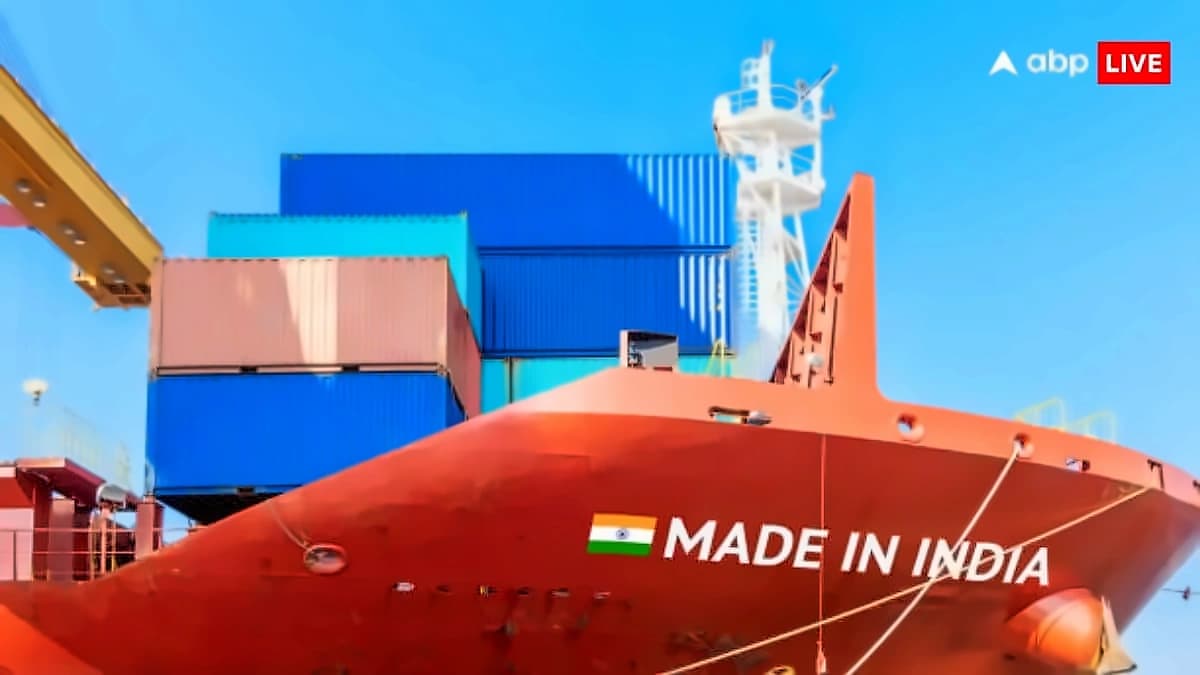
The services sector provided crucial support to India's trade balance during the quarter. Service exports increased 9% to $111 billion, generating a surplus of $60.4 billion, according to the NITI Aayog report. This surplus helped contain India's overall trade deficit, which reached $23.15 billion, the second-lowest level of the year. The services sector's recovery was particularly notable in IT and digital services, with India becoming the world's eighth-largest services exporter in 2025. This performance aligns with global trends where services sectors are increasingly becoming the backbone of national economies, as countries like South Korea also rely heavily on services exports to maintain growth momentum.
The pharmaceutical sector presents a complex picture of volume strength versus value limitations. As highlighted in the NITI Aayog report, India continues to supply affordable generic medicines globally, meeting around 50% of Africa's requirements, 40% of America's needs and 25% of the UK's demand. However, India's presence in high-value segments such as biologics, vaccines and advanced therapies remains limited at around 0.6%. The sector faces significant challenges including 65% dependence on China for APIs and R&D expenditure of only 7%, compared with a global average of 15-20%. This dependency pattern mirrors global trends where countries face similar challenges in diversifying their pharmaceutical supply chains and reducing reliance on single markets.
India is gradually expanding its trade relationships with a wider range of countries, according to the NITI Aayog report. The share of exports accounted for by the top 10 destination countries declined to 50%, while import concentration also reduced. However, imports from China and Russia continue to rise, with dependence on China remaining a significant risk, particularly for the manufacturing and pharmaceutical sectors. The report notes continued volatility in crude oil, coal and precious metals prices, while developments such as US-China trade shifts and WTO uncertainty point to a rapidly evolving global trade environment. This diversification strategy reflects global trends where countries are actively seeking alternative markets and supply chains to reduce dependency risks.