India's fiscal deficit reached ₹3.1 trillion in April-June 2026, representing 18.2% of the FY27 target according to Controller General of Accounts (CGA) data released on July 31. This compares to the same period last year when the deficit stood at ₹2.8 lakh crore, representing 17.9% of Budget Estimates (BE) of 2025-26. The government has set the fiscal deficit target for fiscal 2027 at 4.3% of GDP, equivalent to ₹16.96 lakh crore. The latest data shows the deficit has widened significantly on a quarter-on-quarter basis, doubling from ₹1.62 lakh crore in May when it represented 9.6% of the fiscal 2027 target. The Iran war has severely impacted crude prices in recent months, widening the gap between expenditure and revenue for the nation. As per ICRA chief economist Aditi Nayar, the net impact of the West Asia conflict on the government's fiscal position is estimated at ₹1.25 trillion or 0.2% of GDP, assuming an average oil price of $80-85 per barrel in FY2027. However, the Centre maintained a tight grip on its fiscal position despite major disruptions and commodity price rises due to the war in West Asia.
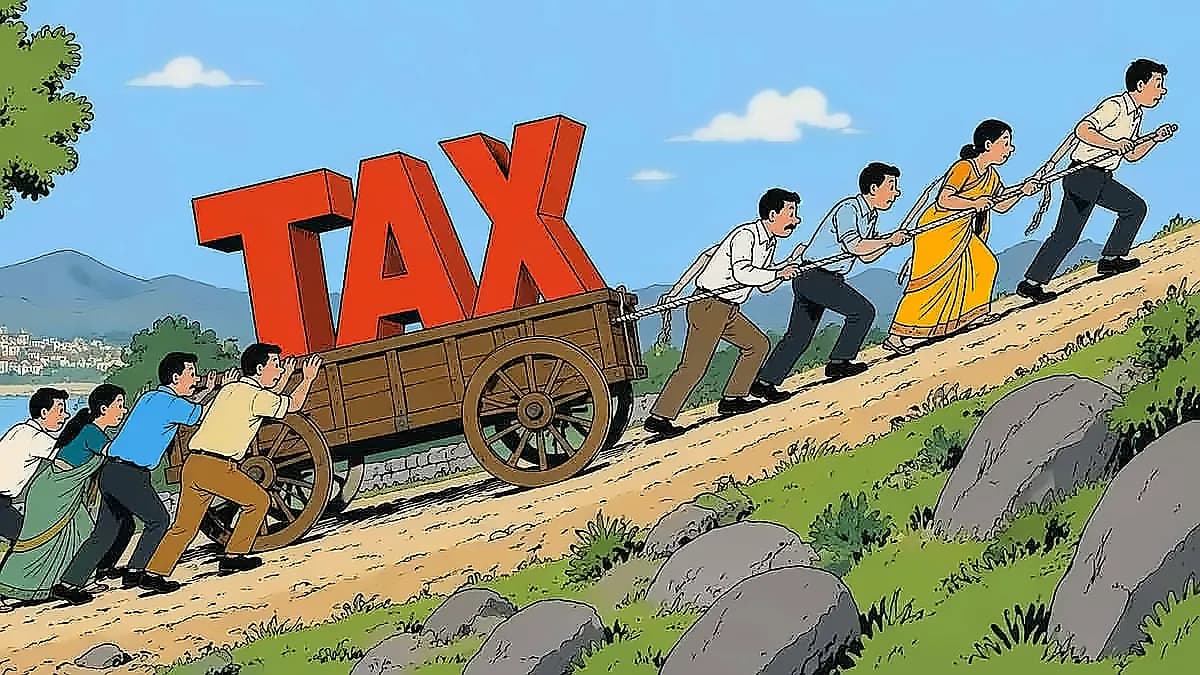
The Centre's tax revenue growth was significantly impacted by GST rate cuts and removal of cess during April-June 2026. Total tax revenue increased by only 3.7% to just over ₹9 lakh crore compared to 4.6% growth in the year-ago period. While net income tax collections rose 6.8% to ₹3.05 lakh crore, corporation tax mop-up went up nearly 20% to ₹2.07 lakh crore, with STT increasing 45% to ₹18,856 crore. However, GST rate cuts and removal of cess took a toll on overall revenue growth, despite CGST rising 17% to over ₹2.7 lakh crore on a net basis. Higher oil and commodities prices pushed up customs duty by 36% to ₹57,741 crore during the first quarter, but the overall impact of GST rationalisation weighed on tax collection growth. According to the latest CGA data, the Centre's net tax revenue was ₹6.36 lakh crore, representing 22.2% of the corresponding BE 2026-27 of total receipts, up from 19% of the previous year's BE.

Government spending on major subsidies shot up 37.4% to ₹1.15 trillion in the April-June period, driven by a sharp surge of nearly 58% in fertiliser subsidies. With this, the Centre has utilised nearly 28% of its total major subsidies allocation, up from 22% in the same quarter a year ago. The West Asia crisis and subsequent rise in petroleum prices led to a sharp increase in fertiliser prices during the June quarter. Total government expenditure rose 11% to ₹13.57 trillion in April-June, including ₹10.17 trillion in revenue expenditure, up a little over 7% year-on-year. The expenditure as a percentage of Budget Estimates improved to 25.4% in Q1 FY27 from 24.1% in the corresponding period of the previous fiscal year.
Capital expenditure, which includes spending on building physical infrastructure, increased significantly to ₹3.40 lakh crore compared to ₹2.75 lakh crore in the same period last year. This substantial increase in capital spending reflects the government's continued focus on infrastructure development and long-term economic growth initiatives. The data from monthly accounts shows the government's commitment to maintaining infrastructure investments despite overall fiscal constraints. By the end of June, the government had spent ₹2.51 lakh crore or 20.5% of the annual target for capital expenditure, up from ₹2.45 lakh crore in the year-ago period. Capital expenditure now represents 27.8% of the FY27 target, significantly higher than 24.5% last year. Railway's capex in the first quarter is estimated to have risen 31% to ₹97,706 crore, while it remained flat for roads at ₹63,978 crore. There was an increase in capex by the food and public distribution department, railways and even ports.
The government's total receipts for April-June stood at ₹10.49 trillion, growing 11.5% year-on-year, including ₹10.14 trillion in revenue receipts, up 11% year-on-year. Net tax revenue demonstrated strong growth, reaching ₹6.37 trillion during April-June 2026 compared to ₹5.4 lakh crore in the corresponding period last year. This represents 22.2% of the corresponding BE 2026-27 of total receipts, up from 19% of the previous year's BE. Non-tax revenue also increased to ₹3.78 trillion from ₹3.73 trillion year-on-year. The Centre's net tax revenue at ₹6.37 trillion in Q1 was up nearly 18% year-on-year, while tax devolution to states declined a little over 19% to ₹2.63 trillion in Q1. Gross tax collections remained sluggish, growing nearly 4% to ₹9.01 trillion in April-June, as corporate tax collections jumped nearly 20% but excise duty collections fell 22%, reflecting cuts in the special additional excise duty on petrol and diesel in late March.