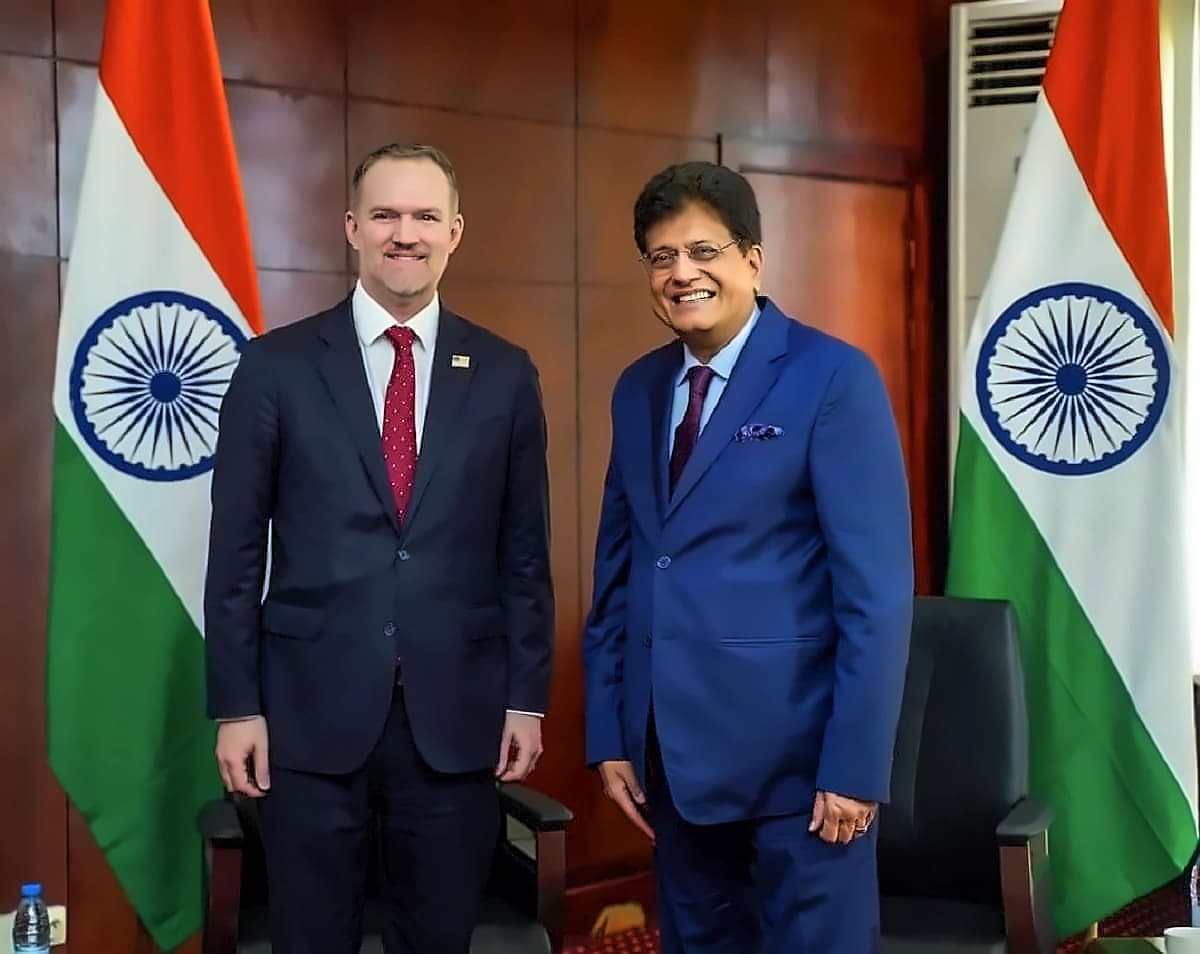
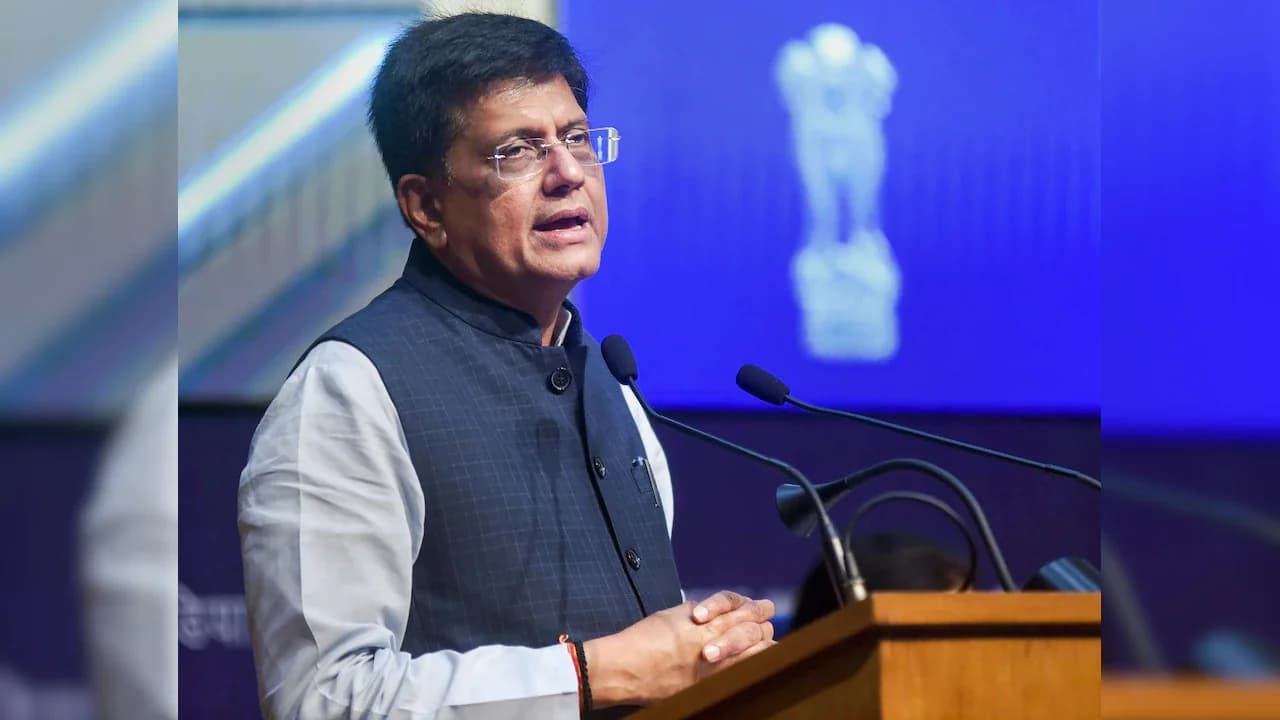
India and the United States are very close to finalising a trade agreement, according to Commerce and Industry Minister Piyush Goyal, who made the announcement at the India Global Forum's UK-India Week 2026 in London. As per Business Standard, Goyal stated that New Delhi wants to ensure it has a competitive advantage over its peers and cannot enter the deal until that framework is finalised. The minister's comments represent a significant shift from previous negotiations where the latest ministerial-level talks between Commerce Minister Piyush Goyal and USTR Jamieson Greer concluded with limited visible progress on remaining issues. Following the meetings, the Commerce Ministry issued its customary post-negotiation statement, reiterating both sides' commitment to expanding bilateral trade and advancing discussions under the proposed Bilateral Trade Agreement (BTA). Goyal noted that the framework of the agreement was finalised and announced on February 6, and officials from both countries have since been working on the finer details, with the minister stating "There is always a little give and take," adding "We are very close to the deal."
US Treasury Secretary Scott Bessent has warned that tariff rates could revert to previous levels if ongoing Section 301 investigations result in fresh duties, creating additional complexity for the India-US trade negotiations. Speaking on the US tariff framework, Bessent said the current 10 per cent global tariff imposed under Section 122 is only a temporary measure, stating "Right now, we have something called Section 122 tariffs, which is a 10 per cent global tariff. Currently, USTR Ambassador Jamieson Greer is conducting studies for Section 301. And if those studies are successful… then the tariff rates are going to go back to exactly where they were." Under US law, tariffs imposed under Section 122 can remain in force for up to 150 days and are due to expire on July 24. The USTR, in its interim findings, has proposed an additional 12.5 per cent tariff on imports from India and more than 50 other countries over their alleged failure to curb imports produced using forced labour, while the outcome of another Section 301 investigation into structural excess capacity involving 15 countries, including India, is still awaited. President Donald Trump has used reciprocal tariffs to encourage countries to negotiate trade agreements, with the Section 301 process intended to achieve similar objectives.
Commerce Minister Piyush Goyal has made clear that the India-US trade deal depends on Washington offering India a competitive advantage in global markets, with the latest developments showing India cannot move ahead with a trade deal with the United States unless it secures better tariff terms compared to its South Asian neighbours and Southeast Asia. Speaking during an interview, Goyal explained India's position on how it wants the free trade agreement to develop before any final approval. The minister said that the talks around tariffs have gone through changes, with the tariff rate on India, which had earlier been at 50 per cent, being brought down to 18 per cent and placed below that of several neighbouring countries. According to Goyal, "We had negotiated that deal on bringing down 50 per cent tariff to 18 per cent. The whole deal was centred around the competitive advantage over our neighbours and other competing countries. We were lower than all our neighbouring countries, all the ASEAN countries, other than Singapore. That is why the deal was attractive." The minister stressed that India is not only aiming to reach a deal with Washington, but also wants to ensure the country maintains an advantage when compared to other regional economies, seeking certainty on how its position will be protected if the agreement moves forward. Goyal noted that the original framework was negotiated when India was expected to face an 18 per cent tariff while competing countries would attract tariffs ranging from 19 to 20 per cent, giving Indian exporters a relative advantage. However, with the current temporary 10 per cent tariff applying uniformly to all countries, India is seeking a revised framework that restores that competitive edge before the agreement comes into force.
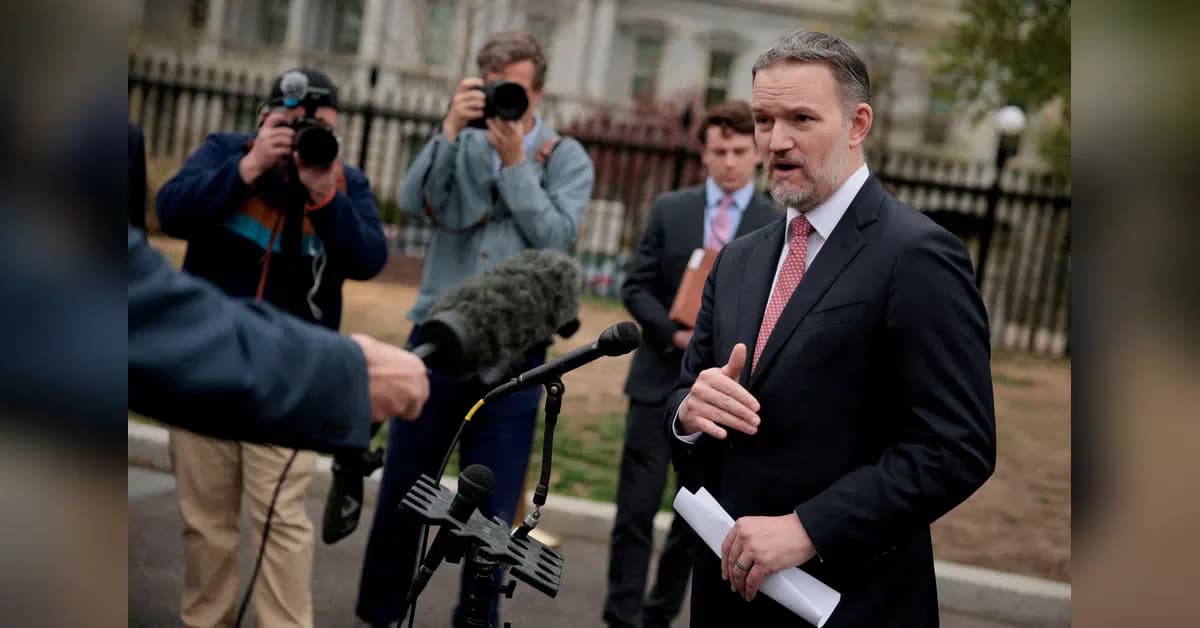
The United States and India are actively working towards a trade agreement while simultaneously expanding cooperation across artificial intelligence and emerging technologies, as confirmed by US Trade Representative (USTR) Ambassador Jamieson Greer during his recent visit to New Delhi. Speaking at the US Embassy, Greer highlighted that India is keen to collaborate with the US in areas such as artificial intelligence and advanced technologies, noting that both countries have significant opportunities to shape the future of trade and innovation together. "There are exciting opportunities ahead between India and the United States," Greer stated, emphasizing that the two nations are looking to jointly advance trade and technology partnerships. The ambassador's remarks come as New Delhi and Washington continue discussions on a proposed bilateral trade agreement, with both sides seeking greater market access, stronger supply chain cooperation and deeper engagement in critical technologies, including artificial intelligence and advanced manufacturing. However, the latest ministerial-level talks between Commerce Minister Piyush Goyal and USTR Jamieson Greer concluded with limited visible progress on remaining issues, as confirmed by the Commerce Ministry's post-negotiation statement.
US Ambassador to India Sergio Gor emphasized the transformative impact of the personal rapport between President Donald Trump and Prime Minister Narendra Modi on the India-US relationship. Speaking at a gala reception in Hyderabad to mark the 250th anniversary of American independence, Gor stated that "That dynamic relationship between our two leaders, that trust that exists, unlocks an unlimited potential. I truly believe that these few years will impact the next few decades of the world." Gor highlighted the depth of bilateral engagement across nearly every major sector, noting that "If you pick any item around the world, India and the United States are already partnered or will be partnered on it. Whether it's space, whether it's ocean, whether it's defence, whether it's pharmaceuticals, whether it's trade, no matter the item, the United States and India are working hand in hand." The ambassador pointed to concrete achievements, stating that "When it comes to defence, India conducts more military exercises with the United States than any other country. When it comes to export, India exports more to the United States than anywhere else." Gor also noted that India topped global rankings this year with $20.5 billion in new investments announced at the SelectUSA Summit, underlining the growing economic partnership between the two nations. The two sides expressed confidence that ongoing negotiations will further deepen economic ties and strengthen the India–U.S. Comprehensive Global Strategic Partnership.