India's economy demonstrated remarkable resilience with GDP growth of 7.8% for the June quarter of 2026-27, according to government data released on Monday. This performance exceeded forecasts that ranged between 6.9% by India Ratings and 8% by State Bank of India. The growth was supported by manufacturing acceleration to 9.2% from 8.3% in the previous period, while financial, real estate, and IT sectors achieved double-digit growth of 12% compared to 8.8% in the comparable period. Capital formation increased significantly to 34.3% in nominal terms from 31.4% last year, with a growth rate of 20.4%, representing a major takeaway involving both private and government expenditure. Bank of Baroda noted that this growth was much higher than expected against their forecast of 7-7.2%, with nominal growth at about 10.3% aided by higher inflation.
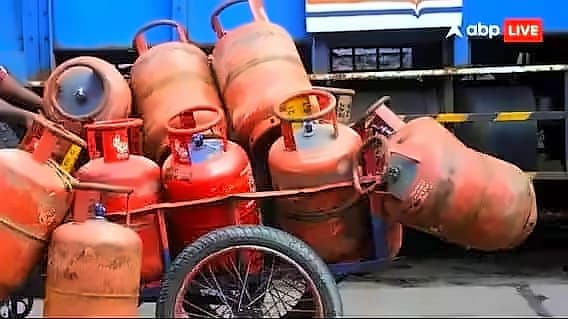
India's liquefied petroleum gas consumption experienced a significant decline of 16.15% year-on-year to 2.42 million tonnes in August, according to provisional data from the Petroleum Planning and Analysis Cell (PPAC). This represents a substantial decrease from 2.89 million tonnes consumed in the corresponding month last year. The decline has been attributed to import pressures and heavy dependence on imported LPG, particularly shipments through the Strait of Hormuz, which have remained under pressure since the West Asia crisis. Recent developments show that high-risk operators of LNG carriers are exploiting a shortage of shipowners willing to transit Hormuz, with at least four very large gas carriers with a history of carrying Iranian LPG having loaded cargoes in the UAE and Qatar in recent weeks, according to Lloyd's Lists findings.
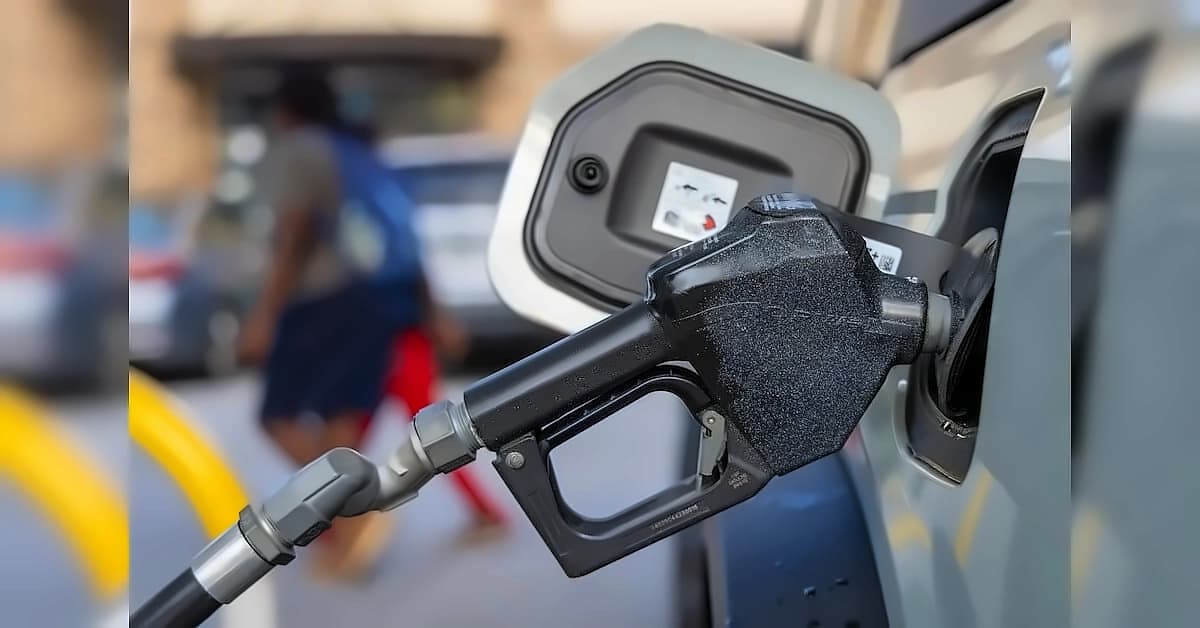
In contrast to LPG's decline, petrol consumption increased 7.88% year-on-year to 3.82 million tonnes in August, up from 3.54 million tonnes in the same month last year. Diesel consumption rose 6.46% to 7.00 million tonnes, compared with 6.58 million tonnes a year earlier. The growth in petrol demand was supported by deficient rainfall enabling greater road movement, while travellers increasingly preferred road transport over flights for shorter-distance journeys. Diesel demand benefited from continued economic activity including manufacturing, freight movement and agriculture, with strong GDP growth supporting consumption during the month.
The government has implemented measures to reduce India's LPG dependence, including incentives for city gas distributors to expand domestic PNG connections and encouraging consumers with PNG access to shift from LPG. These measures, combined with supply disruptions and tighter availability during the crisis, have contributed to the sharp decline in LPG consumption. The country's heavy reliance on imported LPG continues to create vulnerability to geopolitical tensions and shipping disruptions through key strategic routes, with recent reports indicating that shipping through the Strait of Hormuz resumed with 22 Japan-linked ships, including six large crude oil tankers and several LNG carriers, transiting the strait to exit between July 7 and 9. However, recent developments suggest India may be exploring alternative strategies, with experts noting that India can now offer Gulf states the opportunity to build strategic petroleum reserves in India, leveraging the country's strategic geographical position where oil can be exported to the rest of the world without passing through any waterways.
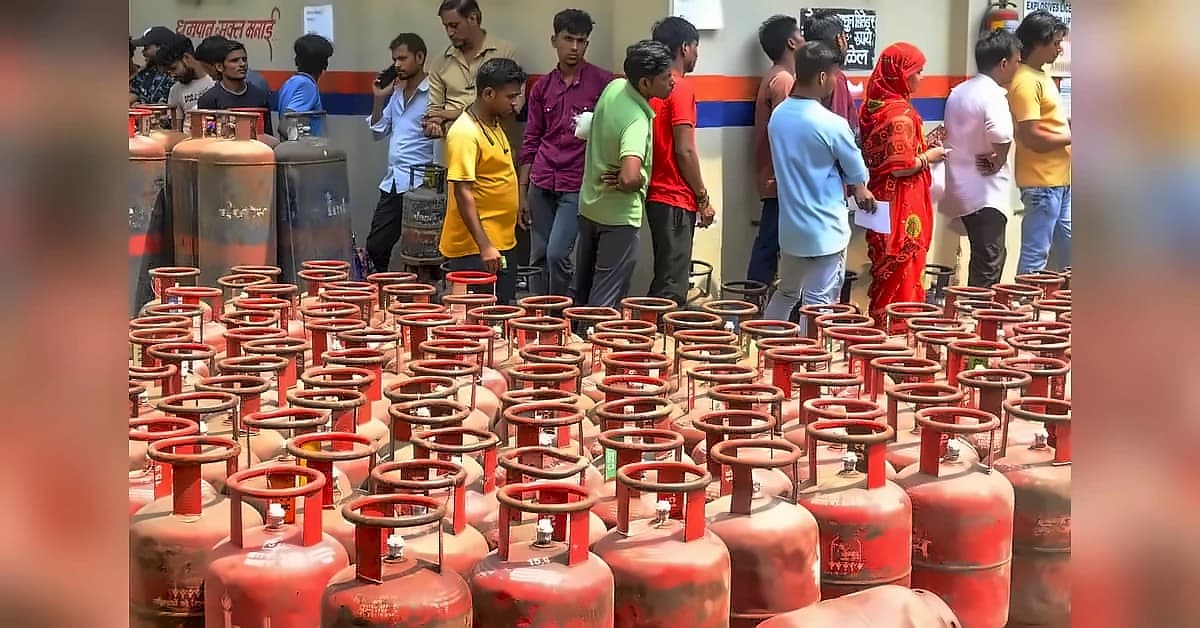
During the April-August 2026 period, petrol consumption rose 6.48% to 18.94 million tonnes, while diesel demand increased 4.29% to 40.56 million tonnes. Aviation turbine fuel consumption was marginally lower at 3.68 million tonnes, down 0.57% from the previous year. LPG consumption during the five-month period fell 15.89% to 11.29 million tonnes compared with 13.42 million tonnes in the year-earlier period, reflecting the sustained pressure on the sector. The strong GDP performance for the quarter, combined with robust manufacturing and services growth, has provided underlying support for fuel demand despite the LPG sector challenges.