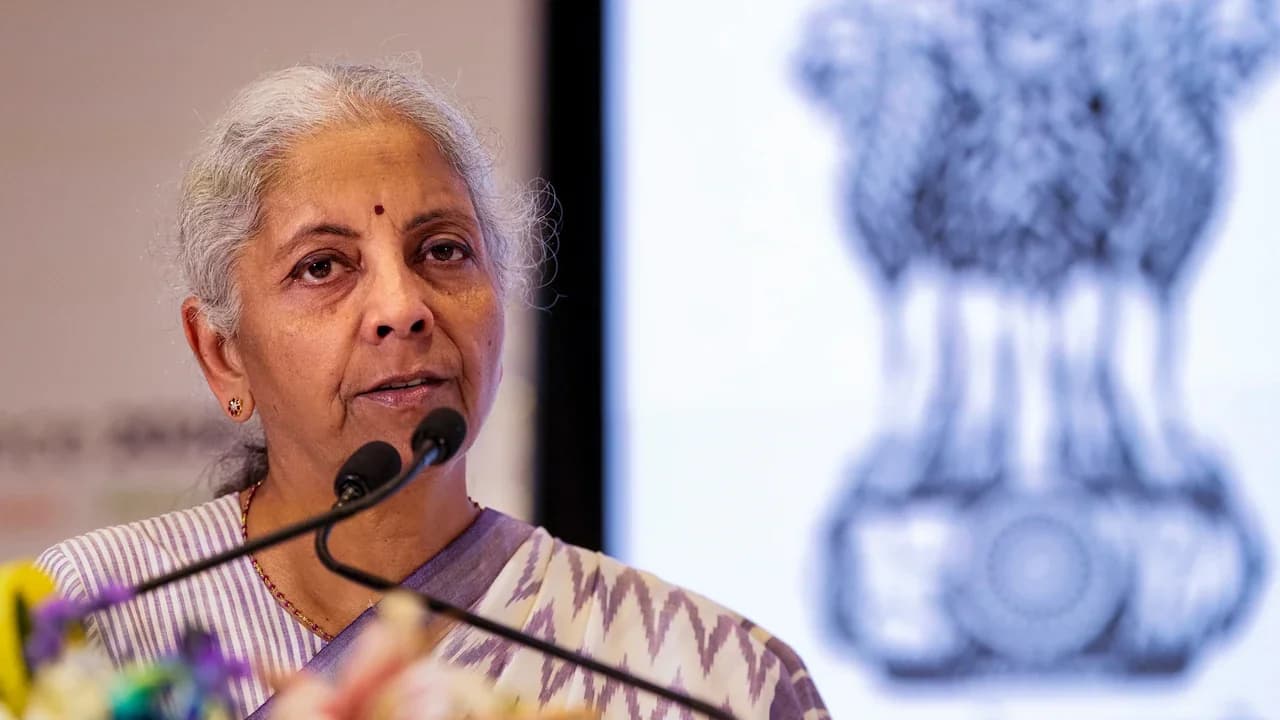
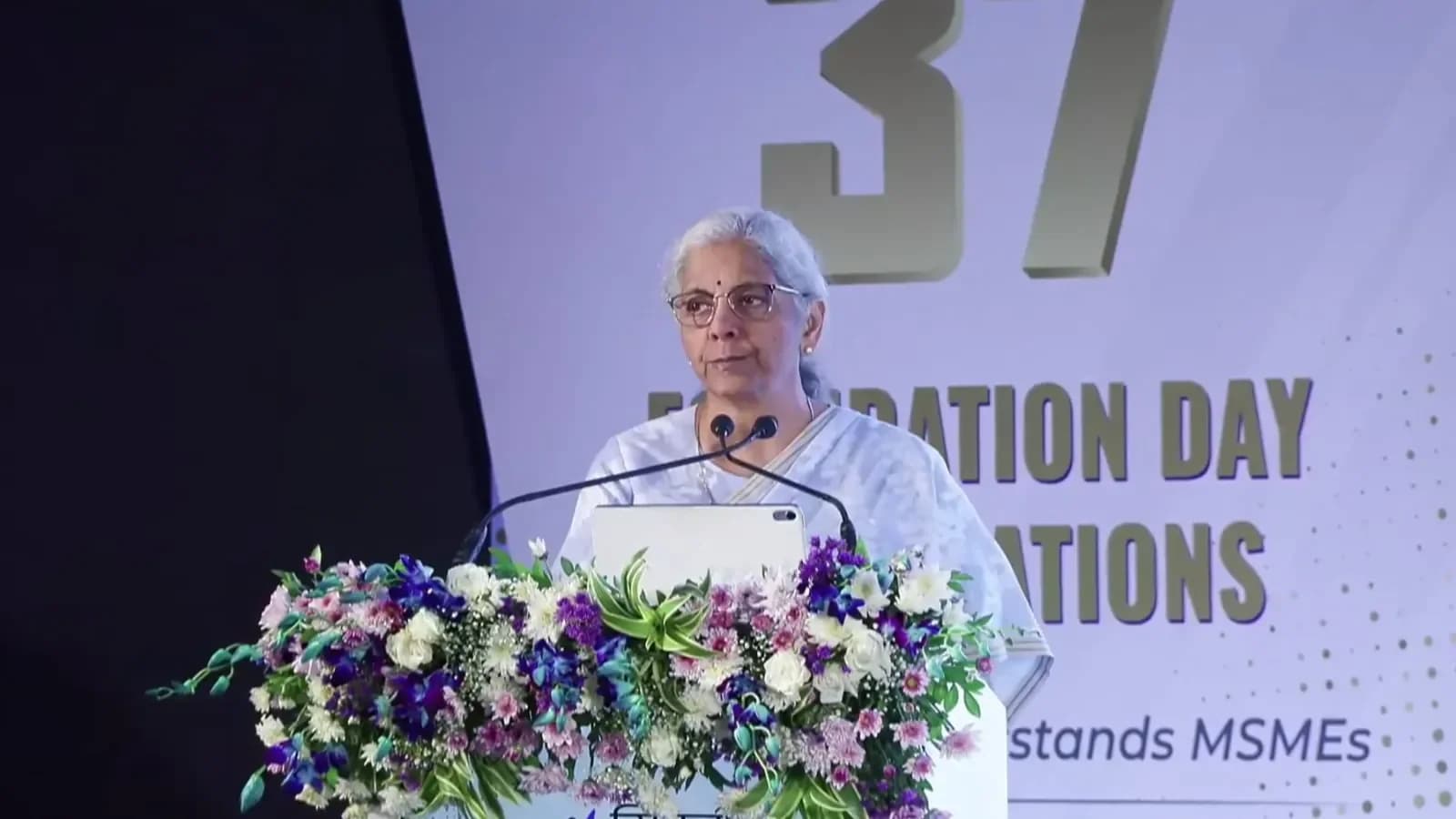
Finance Minister Nirmala Sitharaman emphasized that India's domestic consumption serves as the country's primary defense against global economic disruptions. According to reports from The Times of India, she stated that "The Indian population and its consumption, essentially your domestic consumption, is what is giving you that shock-absorbing capacity. As long as we are not failing in keeping our consumption boosted and well supported, we can be sure to weather the storm." Sitharaman challenged Indian businesses to capture domestic demand currently met by foreign imports, noting that "Businesses are importing a lot of goods which are intermediary, so there is some more agility which I expect from the Indian industry."
India and New Zealand are set to finalize their Free Trade Agreement next week, with significant benefits for domestic industries. As reported by The Times of India, Commerce Minister Piyush Goyal announced that "Goods exported from India to New Zealand will go without any tax, creating significant opportunities, including for Agra's leather industry and other sectors." Approximately 70% of goods from India to New Zealand are expected to face no import duty. Under the pact, New Zealand will receive tariff reductions or elimination on 95% of its exports to India, including products such as wool, coal, wood, wine, avocados and blueberries. The agreement includes provisions for up to 5,000 temporary employment visas annually for Indian professionals, covering sectors like IT, engineering, healthcare, education and construction.
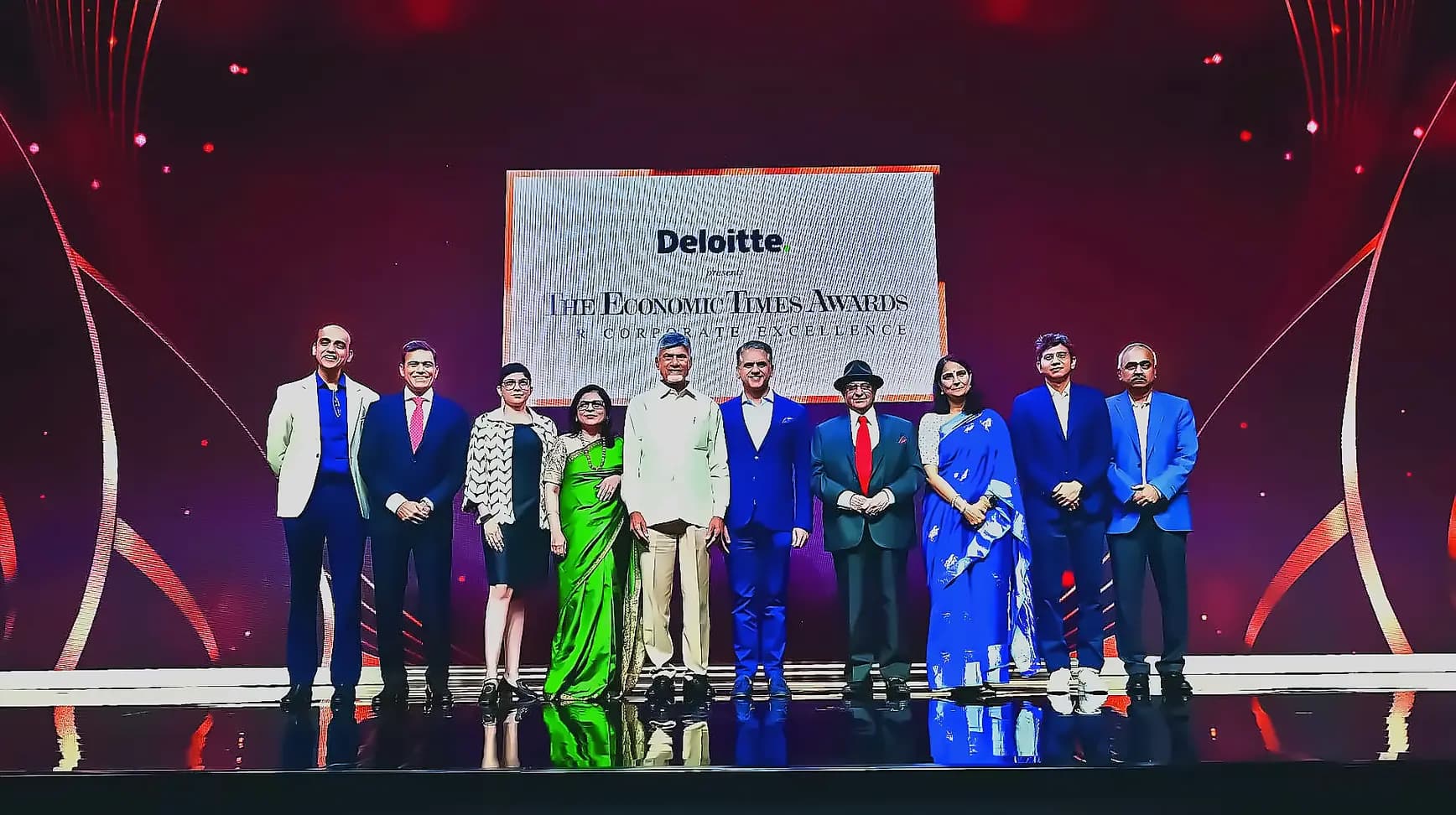
Andhra Pradesh Chief Minister N Chandrababu Naidu emphasized the critical need for energy independence amid global volatility. As reported by The Times of India, he stated that "Ultimately we need energy to run anything, be it factory or vehicle or lighting. Now that is where I am working. Cost-effective energy sector... Our Prime Minister has announced 500 GW green energy by 2030. In that Andhra Pradesh is going to contribute 160 GW." JSW Group chairman Sajjan Jindal warned that India cannot afford to depend on disrupted international trade routes, advocating for "relying on our own energy sources. We have solar, wind, coal, and nuclear. These are the four real energy sources that we have."
Indian banks are operating under heightened cybersecurity alerts following the emergence of Anthropic's powerful AI model 'Mythos', which poses both defensive and offensive cybersecurity risks. According to ANI, a high-level meeting chaired by Finance Minister Nirmala Sitharaman and IT Minister Ashwini Vaishnaw convened with banking leaders to address potential threats. Atul Arya, CEO of Blackstraw, explained that "Anthropic Mythos goes the extra mile to provide information on why it produced a specific answer," making it a potent tool for both protecting systems and enabling hackers. Arya emphasized that "Banks are the most vulnerable ecosystem" and warned that "when a model is this powerful, it is not just available to bankers to protect their systems--it is also available to hackers who intend to abuse it."
Finance Minister Sitharaman pledged government support for farmers facing rising input costs amid the West Asia conflict, stating that "The Centre aims to contain its FY27 fiscal deficit at 4.5% of GDP." As reported by The Economic Times, she called on India Inc to invest in the economy and emphasized that "There are other considerations (for capital outflows). And we can always flag ourselves or flog ourselves and say, more reforms are required." Sitharaman indicated that "Under this Prime Minister, there is never a shut door when it comes to reforms" and confirmed that "India was ready for reforms and various government departments are already working on fresh initiatives under the direction of the Prime Minister to make it easier to invest, operate and manufacture in India."