India's core sector growth experienced a significant deceleration in May, falling to 0.5% according to provisional data released by the Ministry of Commerce & Industry. This represents the lowest growth rate in seven months, marking a notable decline from 1.8% in April and indicating a sustained weakening of industrial momentum at the start of the financial year's first quarter. The growth in the Index of Eight Core Industries slowed from 1.8% in April, with the final growth rate for April 2026 being revised upward from earlier estimates. The core sector encompasses eight key industries including coal, crude oil, natural gas, refinery products, steel, cement, electricity, and fertilizers, which collectively account for 40.27% of the weight of the Index of Industrial Production (IIP).
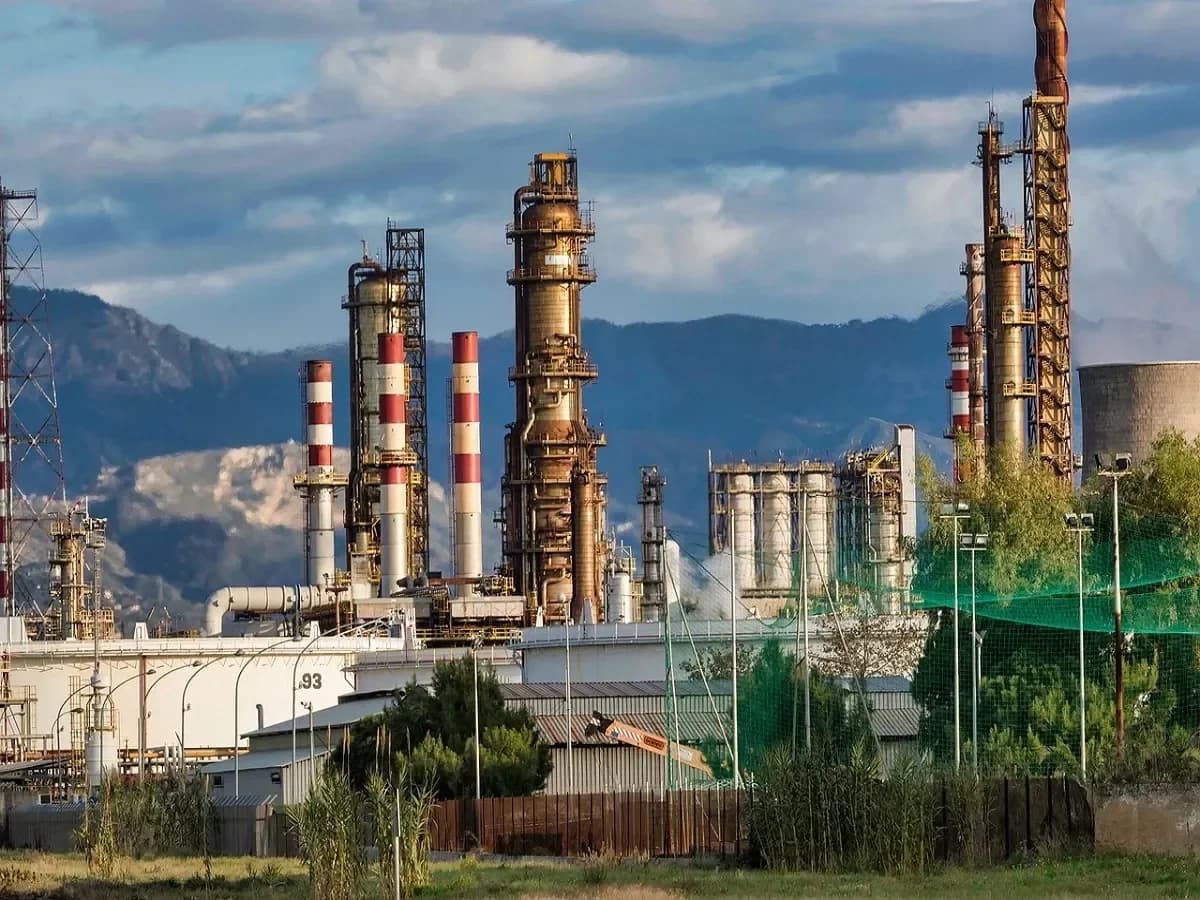
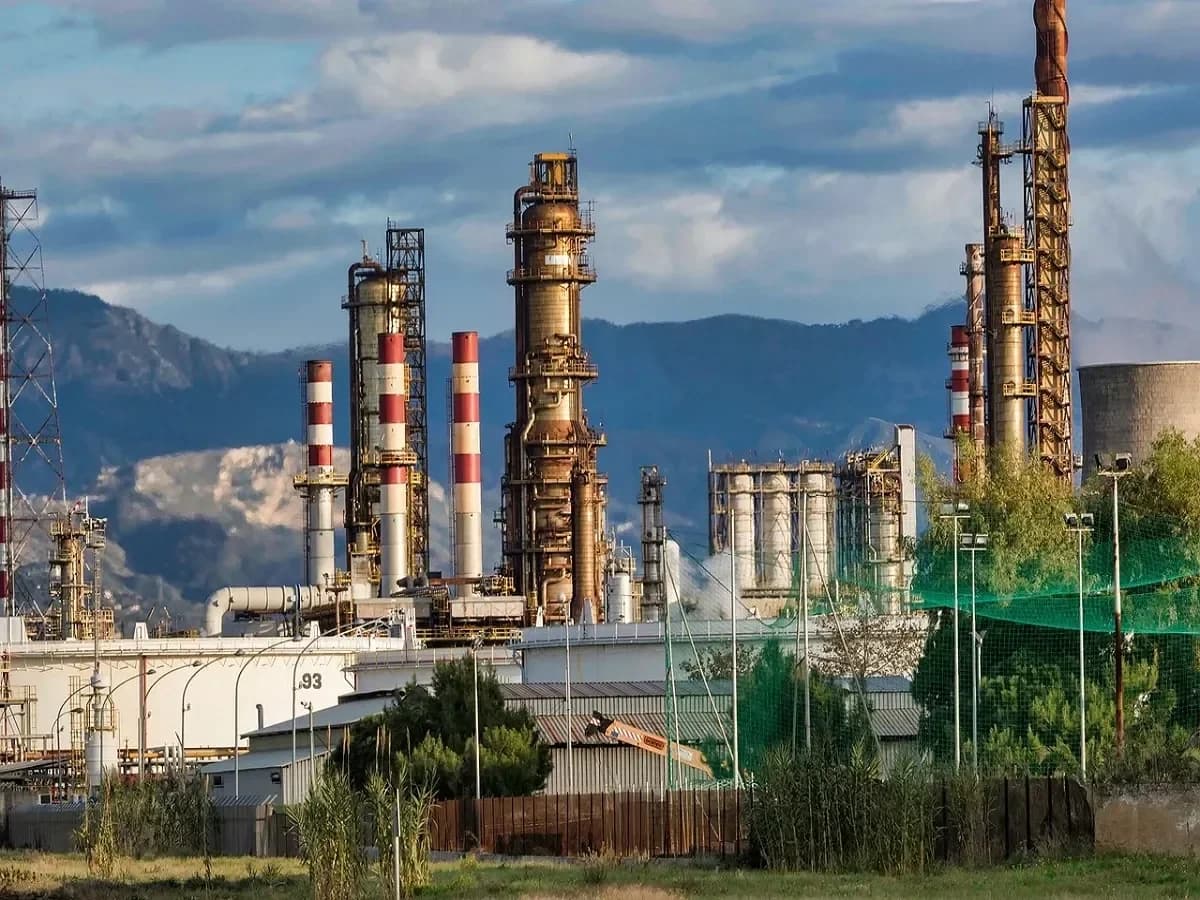
The sharpest drag on core sector performance came from petroleum refinery products, the largest component of the core sector basket, which contracted 8.7% according to provisional data. This significant contraction in the refinery products segment has been identified as the primary factor behind the overall sector decline, highlighting specific challenges in India's energy and petrochemical industries. The petroleum refinery products segment holds the heaviest-weighted position with a 28.04% share in the Index of Eight Core Industries (ICI). As per Bank of Baroda's chief economist Madan Sabnavis, the decline can be attributed to higher crude imports, softening international prices, and lower exports of pet products, with natural gas production also falling due to supply chain disruptions. The energy sectors — coal (down 9.3%), refining (8.7% fall), fertiliser (0.9% dip), crude (4.6% lower) and natural gas (4.9% decline) — witnessed contraction, with the war in West Asia causing disruptions that hit oil refining and fertiliser production.
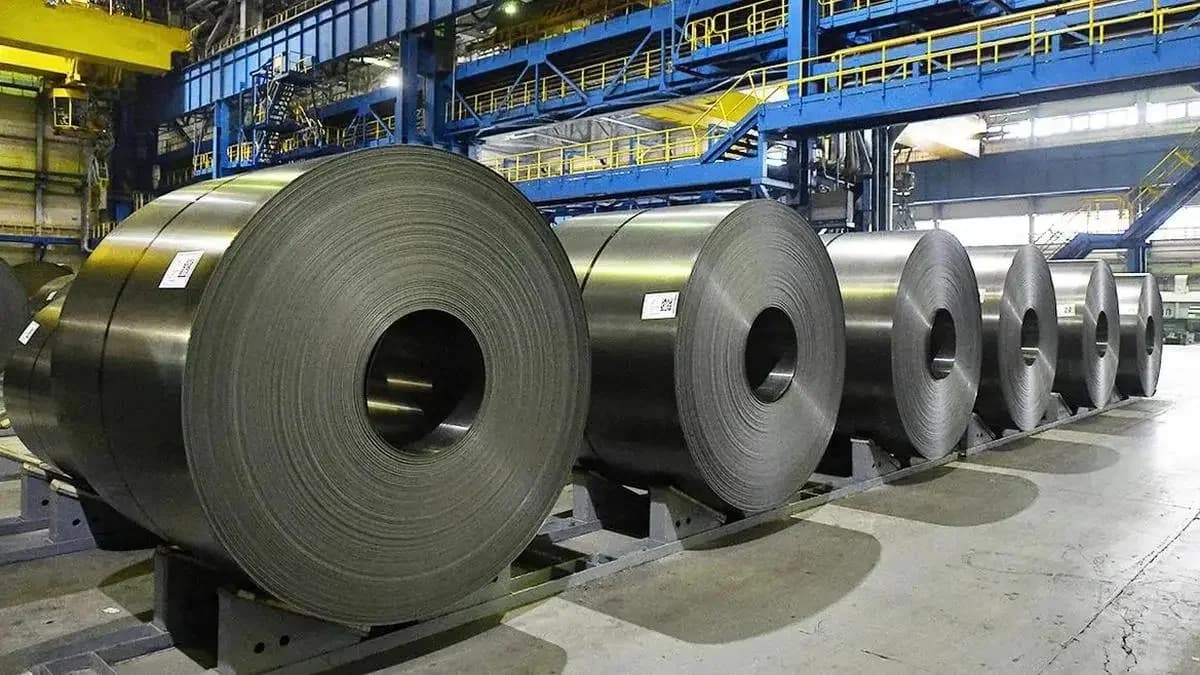
Despite energy sector challenges, infrastructure-linked industries demonstrated remarkable resilience in May. Steel production grew 5% year-on-year, though this represented the lowest level in 13 months, while cement output surged 8.4%, improving slightly from 8.2% in April. Electricity generation recorded the strongest growth at 8.7%, with the sector benefiting from a low base as it had contracted 4.7% in May last year. While cement expanded at 8.4%, steel saw production rise by 5% and power generation was 8.7% higher, according to the latest numbers released on Monday. The strong performance of steel and cement — two key indicators of construction activity — suggests that government-led infrastructure spending and ongoing real estate activity continue to support industrial demand. For the first two months of FY27, steel output has grown 5.2% and cement production has increased 8.3%, while electricity generation during the period rose 7.1%, underscoring the strength of construction-related sectors despite broader industrial headwinds.
The moderation in core sector growth was partly attributed to disruptions caused by the war in West Asia, which hit oil refining and fertiliser production. Coal registered negative growth as companies focussed on managing inventory in a more efficient manner and cut down on production, according to Bank of Baroda's chief economist Madan Sabnavis. Crude and gas production has fallen during most months, barring the occasional increase, highlighting the ongoing impact of geopolitical tensions on India's energy sector. The eight core industries have a weight of over 40% in the index of industrial production and their poor performance will be reflected in the factory output data due to be released later this month, indicating broader implications for India's industrial output metrics.
The seven-month low achievement indicates a sustained period of slower growth in India's industrial base, with the sharp moderation in May's core sector output suggesting industrial momentum weakened at the start of the financial year's first quarter. The cumulative growth rate of the Index of Eight Core Industries during April-May 2026-27 stands at 1.1% (provisional), matching the pace of the corresponding period a year earlier. The data points to an increasingly uneven industrial recovery, where sectors tied to infrastructure creation continue to outperform traditional energy industries. The latest numbers highlight a structural shift underway in India's industrial landscape, with traditional resource-based sectors such as coal, crude oil and natural gas continuing to face production challenges, while steel, cement and electricity sectors benefit from public capital expenditure, urbanisation and manufacturing investments. Overall, the latest data indicate a broad slowdown in core sector activity, with growth supported mainly by electricity, cement and steel output.