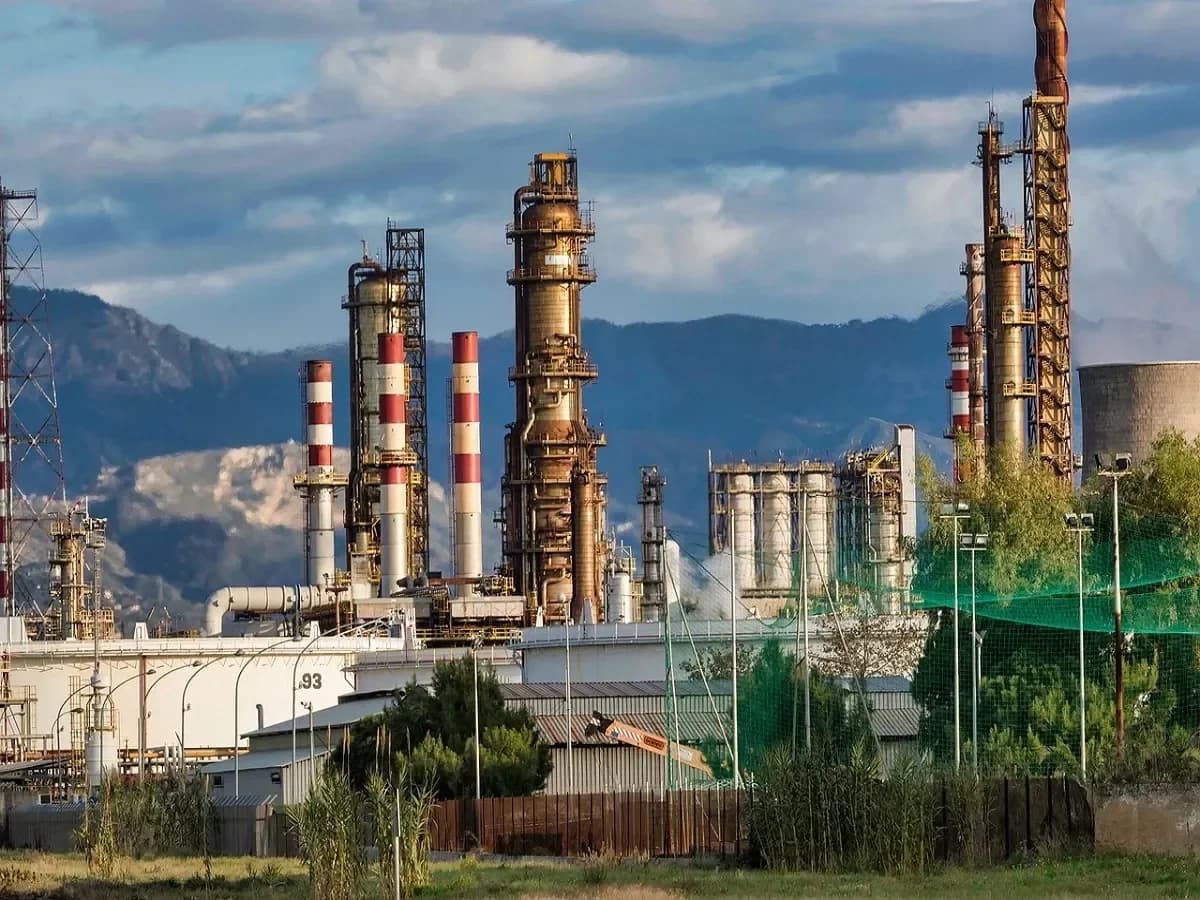
India's core sector growth decelerated significantly to 0.5% in May 2026, marking a 7-month low compared to 1.8% in April. According to reports from Business Standard, the slowdown was primarily driven by contractions in coal and petroleum refinery products. Five of the eight core sectors experienced declines, while steel, cement, and electricity sectors maintained positive growth. This weakening in domestic production signals has shaped the government's policy focus during the current week.
Foreign direct investment demonstrated robust performance with net FDI rising more than fourfold to $6.58 billion in April 2026. As reported by Business Standard, gross FDI inflows increased 65% year-on-year to $15.29 billion, with financial services, trade, manufacturing, and computer services attracting the majority of investments. The strong FDI performance has provided external comfort amid domestic production challenges.
The government implemented several trade remedial measures during the week. According to Business Standard, India imposed a five-year anti-dumping duty on sulphenamide accelerators imported from China, the European Union, and the US, with duties ranging from $75 per tonne to $1,748 per tonne. Additionally, the government initiated an anti-dumping probe into electrical steel imports from China, Japan, Korea, and Russia following complaints about cheap imports affecting domestic producers. Commerce Minister Piyush Goyal's trade talks with US Trade Representative Jamieson Greer concluded with little clarity on an interim trade deal, with Goyal emphasizing that India would only sign if the deal provides competitive advantage over rival economies.

The government accelerated its coal import substitution strategy by deciding to increase domestic coal usage to more than 50% at imported coal-based power plants. As reported by Business Standard, domestic coal is currently being used for 5.7 GW of the 18.7 GW capacity, with trials underway for an additional 4.3 GW. The disinvestment momentum gained significant traction with the government's receipts crossing ₹18,000 crore in Q1FY27, exceeding the full-year FY26 proceeds, primarily boosted by the 2% stake sale in Indian Railway Finance Corporation.
Foreign exchange reserves strengthened by $963 million to $672.59 billion in the week ended June 19, driven primarily by a $4.11 billion increase in gold reserves. According to Business Standard, US Secretary of State Marco Rubio indicated that Washington is seeking to arrange President Donald Trump's visit to India early next year. The mixed signals from domestic production weakness and external account strength have shaped the government's policy focus during this policy week, with emphasis on trade remedies, coal substitution, and accelerated disinvestment activities.