India's headline retail inflation is projected to accelerate to 4.88 per cent in August from 4.44 per cent in July, according to a report by Union Bank of India. This represents the second consecutive monthly acceleration and marks the highest reading in the 23-24 series, as reported by ANI. The latest OPEC monthly report confirms this trend, stating that headline CPI inflation remained above the RBI's 4% target in July, rising to 4.5% year-on-year after 4.4% in June. The inflation increase is driven by persistent food price pressures and a further rise in fuel inflation, indicating mounting price pressures across key economic sectors.
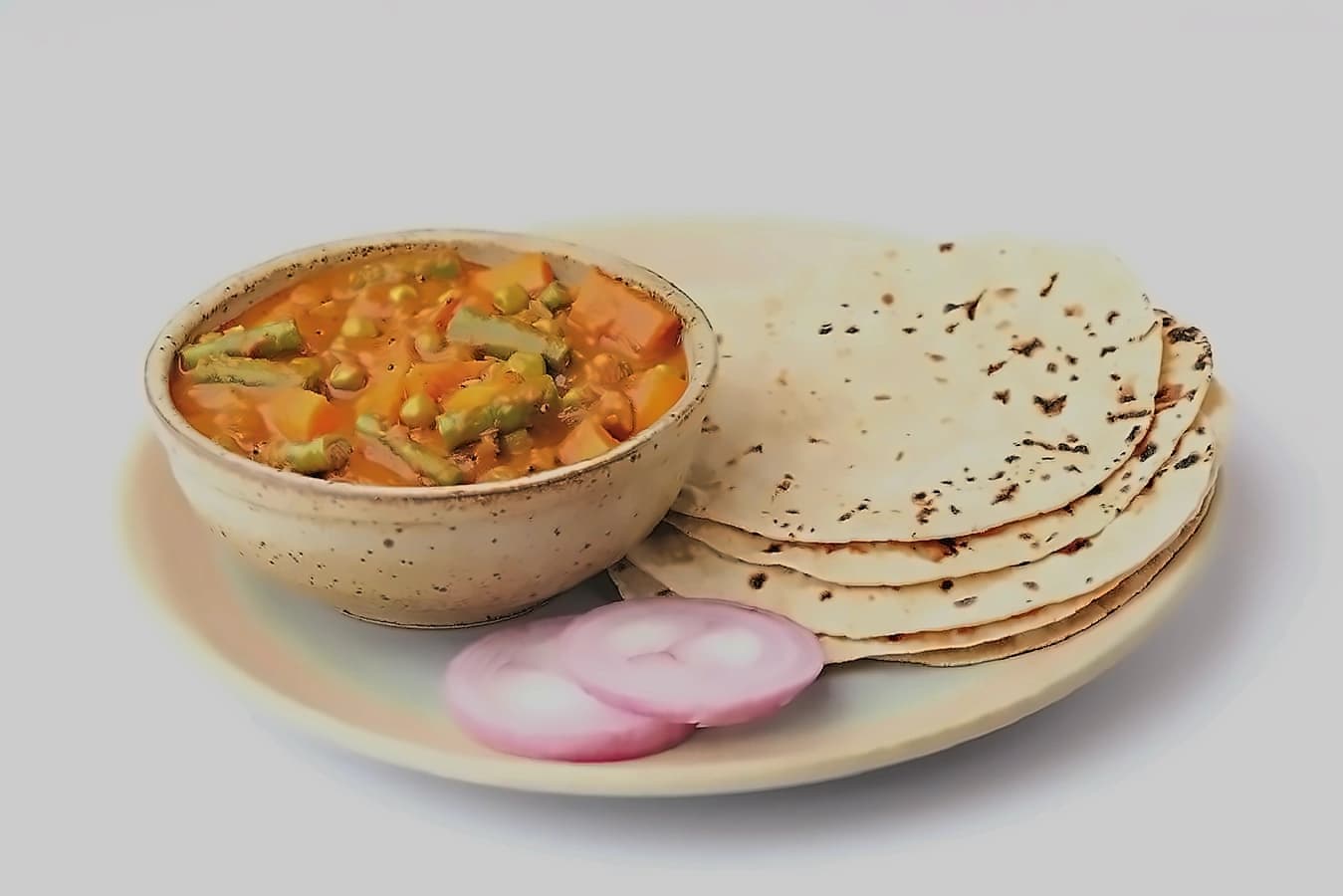
Food inflation is expected to rise to 6.03 per cent in August from 5.24 per cent in July, driven by continued price pressures across key food items, as reported by Union Bank of India. However, the composition of food inflation is expected to shift significantly, with vegetable inflation projected to moderate sharply to 0.39 per cent year-on-year. This decline is likely to be offset by continued price increases in other essential food categories, including sugar inflation expected to rise sharply to 11.53 per cent month-on-month in August 2026, its highest level on record, following an estimated 15 per cent increase in sugar prices during the month. As per Union Bank, price trends from the Department of Consumer Affairs indicate broad-based increases across several categories, with sugar, vegetables, cereals and edible oils witnessing continued upward price movements, while pulses and milk prices remained largely firm. According to the latest Crisil Intelligence report, vegetarian meal costs increased 1 per cent year-on-year and month-on-month to ₹29.5 per thali, while non-vegetarian meal costs rose 5 per cent year-on-year to ₹57.5 per thali, despite being 1 per cent lower from July's ₹58.3. The report notes that elevated prices of onion, vegetable oil, rice and LPG kept thali costs high despite some offsetting factors, with vegetable oil prices increasing 11 per cent and LPG prices rising 10 per cent, while potato prices declined 12 per cent and tomato prices fell 28 per cent.
Onion prices have experienced a dramatic surge, jumping 43 per cent in August 2026 to ₹40 per kg compared with the year-ago period's ₹28 per kg, due to supply tightness caused by unseasonal rains and hailstorms in Maharashtra in March-April, as reported by Crisil Intelligence. This significant price increase has been a major contributor to overall food inflation pressures. The report notes that elevated prices of onion, vegetable oil, rice and LPG kept thali costs high despite some offsetting factors. Vegetable oil prices increased 11 per cent and LPG prices rose 10 per cent, while potato prices declined 12 per cent and tomato prices fell 28 per cent, helping to limit overall thali cost increases. Onion prices showed particularly volatile monthly movements, with a 17 per cent jump in August but limited impact due to a 7 per cent decline in tomato prices. The Shravan month, considered by Hindus as holy, led to a 4 per cent decline in broiler prices, resulting in the 1 per cent month-on-month decline in non-vegetarian thali prices.
Price pressures have shown a clear geographical pattern, with rural areas experiencing stronger inflation at 4.8% compared to 4% in urban centres, as reported by OPEC. This rural-urban divide reinforces the importance of monsoon and food-supply conditions for the near-term outlook. The OPEC report notes that reservoir levels remain below last year's levels in several regions, with storage entering the season being particularly low. This is an important indicator to watch since reservoir storage determines both irrigation capacity for the sowing season and the buffer against deficient rainfall. A further shortfall would weigh on sowing decisions and rural demand, adding to inflationary pressures in the agricultural sector.
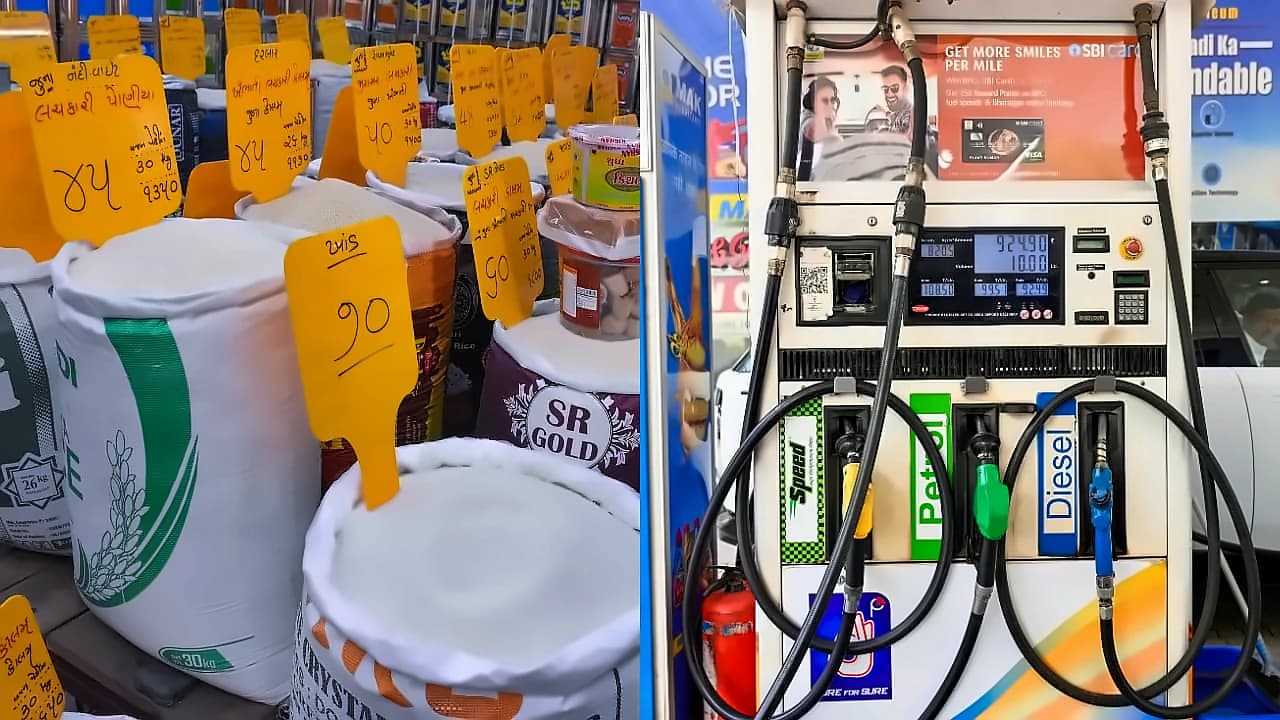
The inflation acceleration is also attributed to a further rise in fuel inflation, according to the Union Bank of India report. Fuel prices have been a significant contributor to overall inflation in recent months, adding to the pressure on consumer prices across the economy. The OPEC report highlights that second-round effects remain the key risk, particularly through food prices, transport costs, fertiliser, logistics and services, indicating that inflationary pressures may continue to spread across broader economic sectors.
Despite maintaining the repo rate unchanged at 5.25% in August, the RBI's communication has become more cautious, as noted by OPEC. The central bank has left open the possibility of tightening later in the year if inflation pass-through broadens or expectations become less anchored. This measured approach reflects the ongoing inflationary pressures and the need for continued vigilance in monetary policy. The OPEC report emphasizes that underlying inflation excluding precious metals remains relatively subdued, but the key risk remains second-round effects through food prices, transport costs, fertiliser, logistics and services, suggesting that inflationary pressures may persist in the near term.