According to Global Petrol Prices, Libya leads the world with petrol prices at ₹2.21 per litre, followed by Iran at ₹2.71 per litre and Venezuela at ₹3.32 per litre. These countries maintain some of the cheapest fuel prices globally through various subsidy mechanisms and abundant domestic oil production. The data shows that Angola (₹31/litre), Kuwait (₹32/litre), Algeria (₹33/litre), Turkmenistan (₹40/litre), Egypt (₹43/litre), Qatar (₹54/litre), and Bolivia (₹56/litre) round out the top 10 most affordable petrol markets worldwide. Notably, Saudi Arabia is not featured on this list, despite being one of the world's largest oil producers, as prices are typically above ₹4 per litre even with government subsidies.
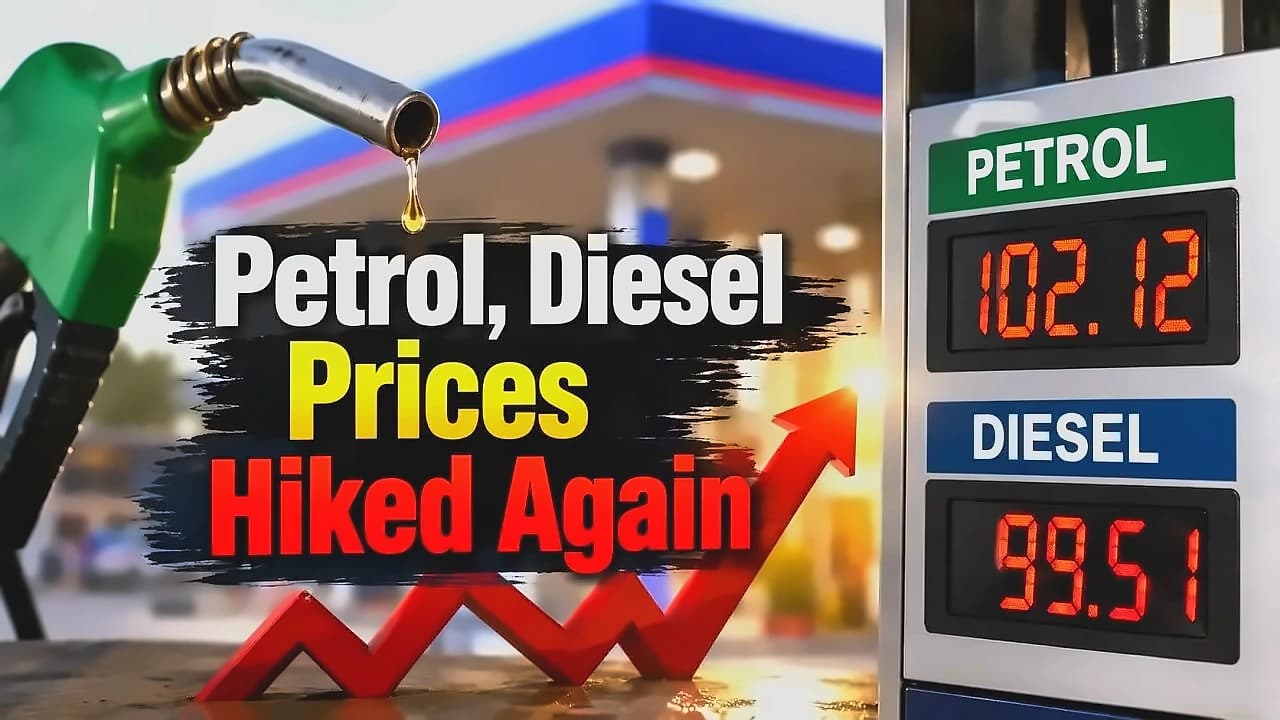
As reported by Global Petrol Prices, India's petrol prices have experienced significant volatility throughout history. Post-Independence (1947), petrol was sold for ₹0.25 per litre and remained under ₹2 per litre until the 1970s. At the turn of the millennium, petrol was priced at ₹26 per litre and in 2004, it ranged between ₹34 and ₹36.81. During the 2008 recession, petrol prices nearly doubled to ₹51 per litre when global crude was at a peak of $145 per barrel. Currently, petrol is retailing at ₹102.12 per litre in Delhi, while Mumbai, Chennai and Kolkata are priced at ₹103.54, ₹107.74 and ₹113.51 respectively. India imports about 80% of its oil needs and domestic pump rates are dependent on international prices as denominated by the Indian basket of crude oil. According to latest reports, the national average petrol price stands at ₹111.21 per litre, while diesel is priced at ₹97.83 per litre as of October 15, 2026.
According to Global Petrol Prices, Libya's cheap petrol prices are attributed to its vast oil reserves and generous government subsidies, though years of political instability and fuel smuggling have made maintaining this system increasingly difficult. Iran keeps petrol prices low through heavy government subsidies and abundant domestic oil production, with cheap fuel encouraging high consumption that puts additional pressure on government finances. Venezuela maintains extremely low prices through subsidies from its large proven oil reserves, though economic turmoil, refinery problems, and fuel shortages often make accessing petrol difficult. These subsidy-driven pricing mechanisms allow some countries to maintain petrol prices significantly below global market rates.
As reported by Global Petrol Prices, Angola, one of Africa's biggest oil producers, has been gradually reducing fuel subsidies to ease pressure on public finances. Kuwait's substantial oil reserves and relatively low production costs help maintain some of the world's lowest petrol prices, with government-regulated pricing shielding motorists from global crude oil market volatility. Algeria benefits from significant oil and natural gas resources, allowing it to supply petrol at relatively low prices through state-controlled fuel pricing, though subsidies place a burden on public finances. The value of the rupee also has a bearing on domestic fuel prices, as a weak rupee increases the landed cost of dollar-denominated crude oil. State-run oil marketing companies, including Indian Oil Corporation, Bharat Petroleum and Hindustan Petroleum, have continued to keep regular petrol and diesel prices unchanged as of October 15, 2026, though international oil price volatility remains a concern for fuel retailers.