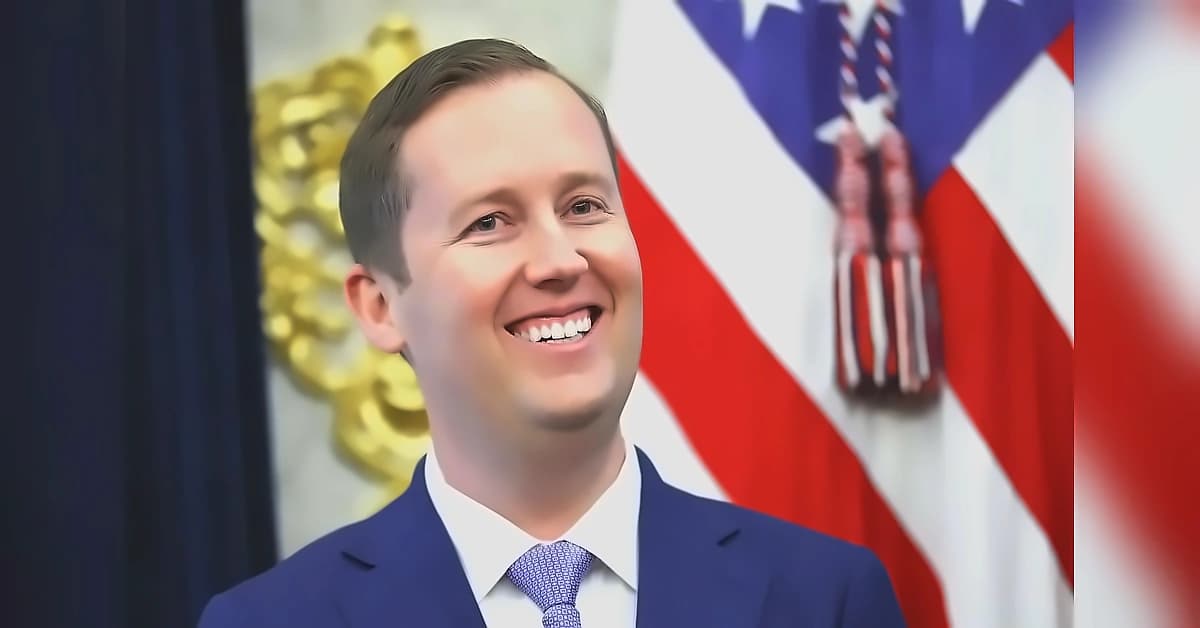
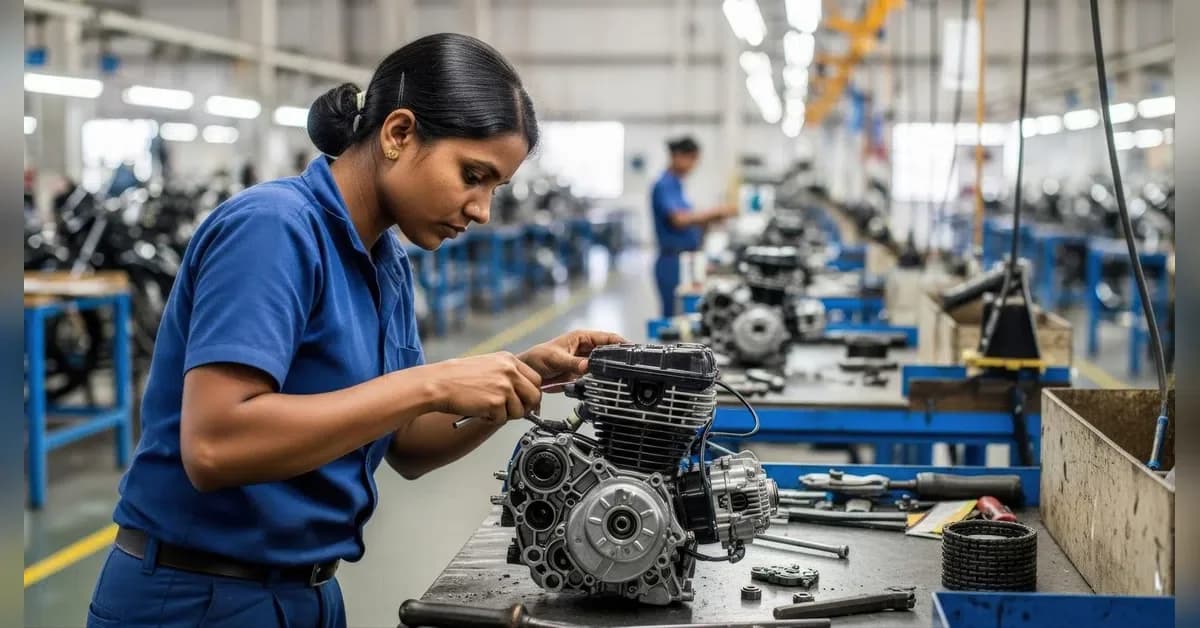
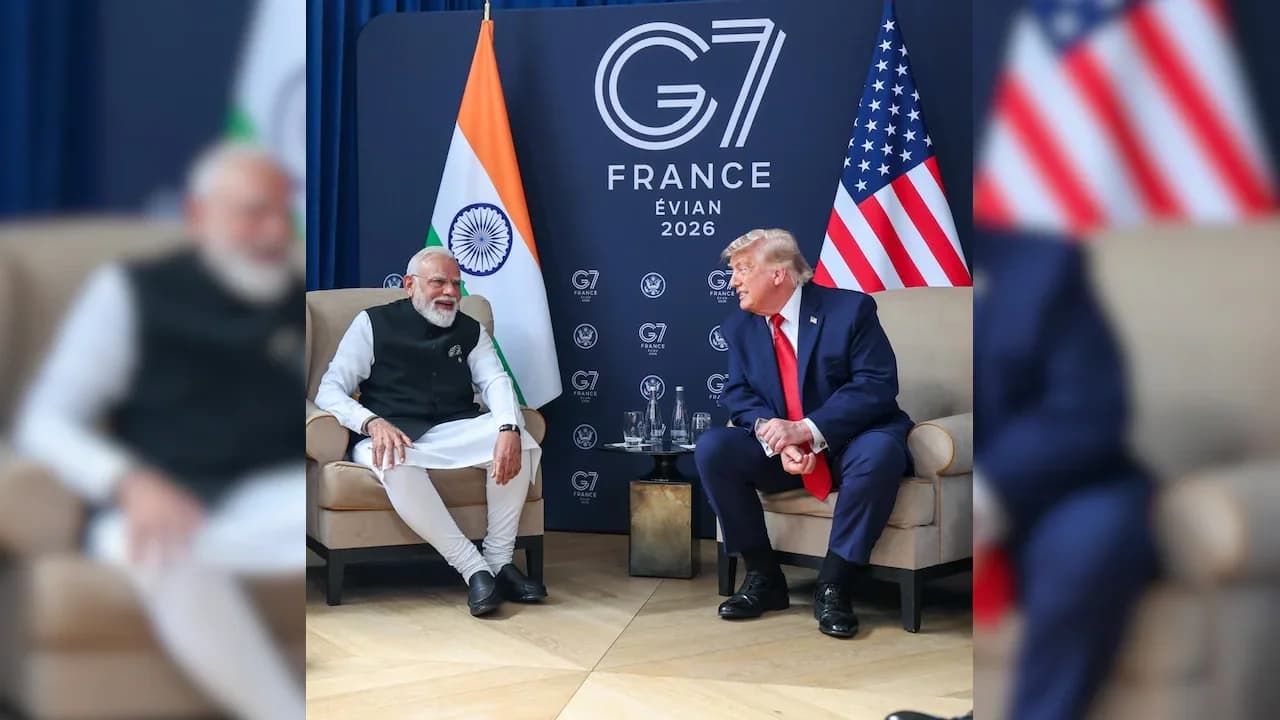
Former US Ambassador Karl E. Inderfurth has raised concerns about the future trajectory of US-India relations, describing the current phase as 'flashing yellow' at the Capitol Hill Summit 2026. Speaking at the event organized by the US-India Friendship Council, Inderfurth noted that while bilateral ties have witnessed 'exceptional growth' over the past 25 years, the relationship is now entering a more uncertain phase. As per India Narrative report, this comes as India continues its industrial transformation journey, with the country advancing through Production-Linked Incentives (PLI) and the 'Make in India' push to semiconductor clusters in Gujarat, Tamil Nadu and Karnataka.
Despite structural challenges, India is projected to become the world's third-longest economy within the next few years, as noted by the IMF. According to Inderfurth's assessment, no other bilateral relationship had expanded as rapidly as US-India ties since 2000. The relationship evolved dramatically from virtually zero bilateral trade to more than $200 billion, with major gains in defence cooperation and clean energy collaboration. As per Inderfurth, 'We went from not a single defence exercise to now India doing the most defence exercises with the United States'. However, the report highlights that India remains heavily dependent on external sources for many products, technologies and systems powering its development.
India faces significant supply chain dependencies that could impact its industrial ambitions and diplomatic relations. The country imports 85% of its crude oil and 50% of natural gas, while remaining heavily reliant on China for processing and supply chains affecting the competitiveness of EVs, renewables, electronics and defence systems. In the fertilizer sector, India imports over 70% of potash, phosphates and other products from Russia, Saudi Arabia, China and Morocco, which the report warns could induce food inflation and farmer distress during supply shocks. These vulnerabilities are compounded by recent concerns about 300 million views of 24,000 posts on X of anti-Indian hate, as cited by Inderfurth, representing a significant challenge to the relationship's foundation.

The report notes that while Indian engineers and technology professionals have helped power companies like Google and Microsoft, India has not built similar companies and manufacturing ecosystems with such technological depth and global reach. This gap in domestic technological capability represents a significant challenge in achieving the industrial superpower status, requiring substantial investment in precision manufacturing and high-end industrial machinery capabilities. The challenge before India is to become a more technologically capable, industrially mature and structurally resilient economy, requiring enhancement of its ability to manufacture precision and high-end industrial machinery.