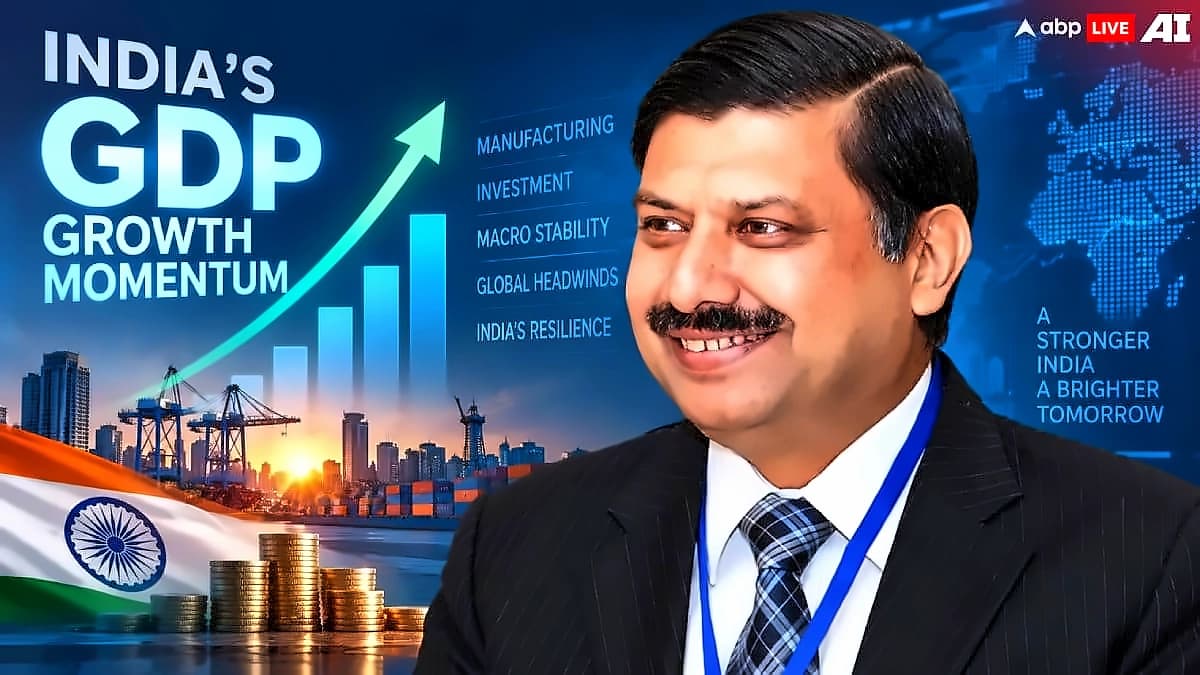
Prime Minister Narendra Modi delivered a robust defence of India's 7.8% GDP growth at the centenary celebrations of Shri Ram College of Commerce (SRCC) in Delhi, calling it evidence of economic resilience amid global disruptions. Speaking 13 years after his 2013 address, Modi framed the speech as a review of promises and performance, stating "I have come before you with my report card" and adding that "the echo of lies cannot stand before the roar of truth." He contrasted the current economic situation with 2013 challenges, recalling a weak rupee, inflation of nearly 10%, record current account deficit, slowing industrial growth, corruption allegations and what he described as "policy paralysis." Modi emphasized that "India is not only growing, it is also creating new employment opportunities," highlighting the economy's dual strength in growth and job creation.
India's foreign exchange reserves have reached a record high of $740.80 billion, representing a significant increase of $11.47 billion during the latest week, according to Business Standard. The foreign currency assets (FCA), the largest component of reserves, increased by $9.337 billion to $600.67 billion during the week. Additionally, gold reserves rose by $2.191 billion to $116.409 billion, while India's Special Drawing Rights (SDRs) with the International Monetary Fund stood at $18.81 billion, down $43 million from the previous week. The country's reserve position with the IMF decreased by $11 million to $4.914 billion during the week. This substantial increase in reserves provides a strong buffer against external pressures and demonstrates the economy's robust foreign exchange position.
Prime Minister Narendra Modi made a renewed appeal on September 1 for Indians to curb non-essential foreign travel, overseas weddings and gold purchases, linking domestic spending choices with India's goal of becoming a developed economy by 2047. Speaking from the Shanghai Cooperation Organisation summit in Bishkek, Modi stated that "Foreign trips, if you are going for leisure, you should not go. If you are getting married abroad, you should not do so. And if it is not necessary, you should not buy gold either." The appeal comes as India's real GDP stood at ₹81.36 lakh crore in Q1 FY27, compared with ₹75.46 lakh crore a year earlier, beating the Reserve Bank of India's projection of around 7%. The strong performance came despite external pressures, including oil price volatility and disruptions to global supply chains.
Economic expert Dr Sujan Hajra from Live Mint provides insights into the impact of PM Modi's spending appeal on India's economy. He notes that gold and travel spending is still "far too large to dismiss as macroeconomically insignificant," and doubts the timing of the appeal, a day after the GDP print, is coincidental. India imported roughly 721 tonnes of gold worth nearly $72 billion in FY26, a record value driven by prices, not volumes. Travel adds another large component: with airfares included, Dr Hajra puts the total at $47-50 billion for about 33 million outbound travellers in 2025. Together, these two factors amount to "something approaching $120 billion of annual forex demand — in the same broad range as India's entire oil import bill." A 10% moderation could cut forex demand by about $12 billion, roughly 0.3% of GDP - not enough to alter India's growth trajectory but meaningful for the current account and rupee.
Gold presents a unique challenge in India's economic accounting, as purchases contribute to measured GDP activity without necessarily expanding productive capacity. As reported by Live Mint, gold-related expenditure had risen 45% year-on-year during the 2015 quarter, contributing to headline GDP growth without generating productive investment. Economists previously highlighted that India's growth rate would have been 6.34% rather than 7.4% if spending on valuables and discrepancies were excluded. This distinction is crucial - while gold purchases contribute to measured economic activity, they do little to expand the economy's productive capacity. The same principle applies to overseas holidays and weddings, where money spent on hotels, venues, travel and services abroad represents consumption by Indian residents but does not directly generate demand for domestic businesses.
The government successfully managed energy supply disruptions through strategic diversification and continued Russian crude oil imports. As reported by The Times of India, India's crude oil import bill hit a record $49.7 billion in Q1, up around 61% year-on-year, despite import volumes falling roughly 3.4% to about 60.5 million tonnes. The Indian basket crude price fell from a peak of $114.5/bbl in April to $83.2 in June and $82.0 in July, before rising again to above $97 recently. DK Srivastava, Chief Policy Advisor at EY India, credits the energy supply management strategy, noting that the government's diversification moves and continued insistence on importing oil from Russia resulted in little to no adverse impact on the economy.
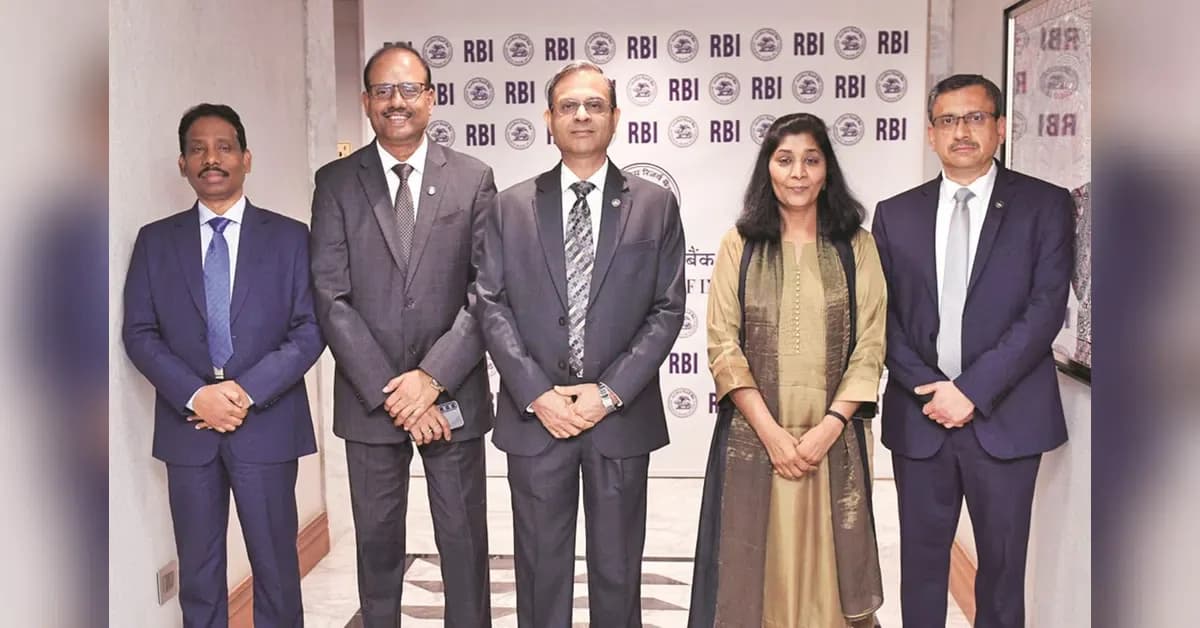
The Reserve Bank of India maintained inflation within its target range of 2-6% despite rising input costs from the Middle East crisis. According to The Times of India, CPI inflation in July hit a 19-month high of 4.45%, while WPI inflation is nearing double digits. RBI Governor Sanjay Malhotra projected CPI inflation for 2026-27 at 5.0% with quarterly projections of 4.7% (Q2), 5.9% (Q3), and 5.5% (Q4). The central bank lowered its inflation target for the year, believing that inflationary pressures may ease going forward, with the pass-through of higher input cost pressures being delayed. As per The Times of India, inflation averaged 2.1% last year, the lowest in the history of the current series, compared to double-digit retail inflation in 2013.