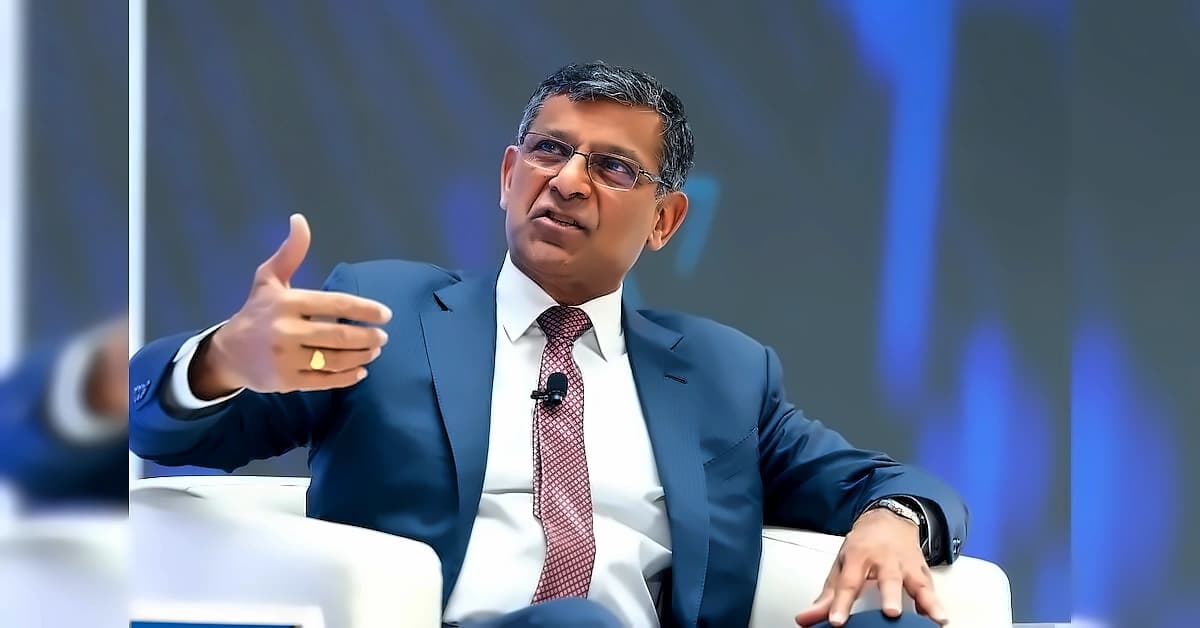
RBI Governor Sanjay Malhotra firmly defended the central bank's commitment to its 4% inflation target, stating it remains 'sacrosanct for us' during a media address following the Monetary Policy Committee's decision. According to reports from Business Standard, Malhotra emphasized that while the target is given by the government and must be met over the medium term, the RBI will not take action for every deviation from the target, especially when inflation is driven by supply shocks. The Governor noted that if inflation comes down naturally, the central bank may not deploy monetary policy tools that could have adverse consequences. As reported by The Hindu BusinessLine, Malhotra clarified that the 4% target remains sacrosanct and the central bank's endeavor continues to achieve it, though inflation targeting is meant to be achieved over a period of time and it is neither desirable nor practical to react to every deviation, particularly when it is driven by temporary supply shocks.
As reported by Business Standard, Malhotra explained that the RBI is monitoring whether supply shocks persist or wane, emphasizing that inflationary developments are more adverse than previously. The Governor indicated that if inflation becomes generalized and persistent and starts getting embedded in expectations, then there comes a time to act, but for now, the central bank must wait and watch. According to The Hindu BusinessLine, Malhotra confirmed that inflation is more adverse than it was previously, though he did not specify the current level of adverse conditions. This approach reflects the RBI's data-driven strategy amid current economic uncertainties.
According to the Governor's statements reported by Business Standard, the RBI expects healthy flows from external commercial borrowing (ECBs) and deposits from foreign currency non-resident (bank) accounts during the provided three- to four-month window. Malhotra confirmed that banks are expected to pass on some benefits from hedging support, which should result in good flows. As reported by The Hindu BusinessLine, the central bank expects healthy inflows through ECB and FCNR(B) deposit schemes and will remain data-dependent on future policy actions. The RBI has injected about ₹2.6 trillion in liquidity over the last two months and will provide appropriate amounts to meet credit needs of the economy without targeting specific liquidity levels. The central bank has raised its inflation forecast by 50 basis points, which could strengthen the case for a rate increase depending on various factors.
As reported by Business Standard, Malhotra clarified that he never stated the rupee was undervalued, only that it might be reasonable to think it was not overvalued. The Governor identified several factors causing uncertainty including the conflict in West Asia, its duration, and the time supply chains will take to normalize. He also cited uncertainty around the monsoon as having implications for both inflation and growth, with the primary concern being the uncertainty surrounding the duration of supply disruption and its impact on prices. According to The Hindu BusinessLine, the RBI has raised its inflation projection upward due to higher oil price assumptions, with the current assumption being $95 per barrel, higher than the previous assumption. The central bank has sufficient currency to provide and fill and refill ATMs and bank branches, and every year builds a plan of what the currency requirement is and provides it to banks as required.
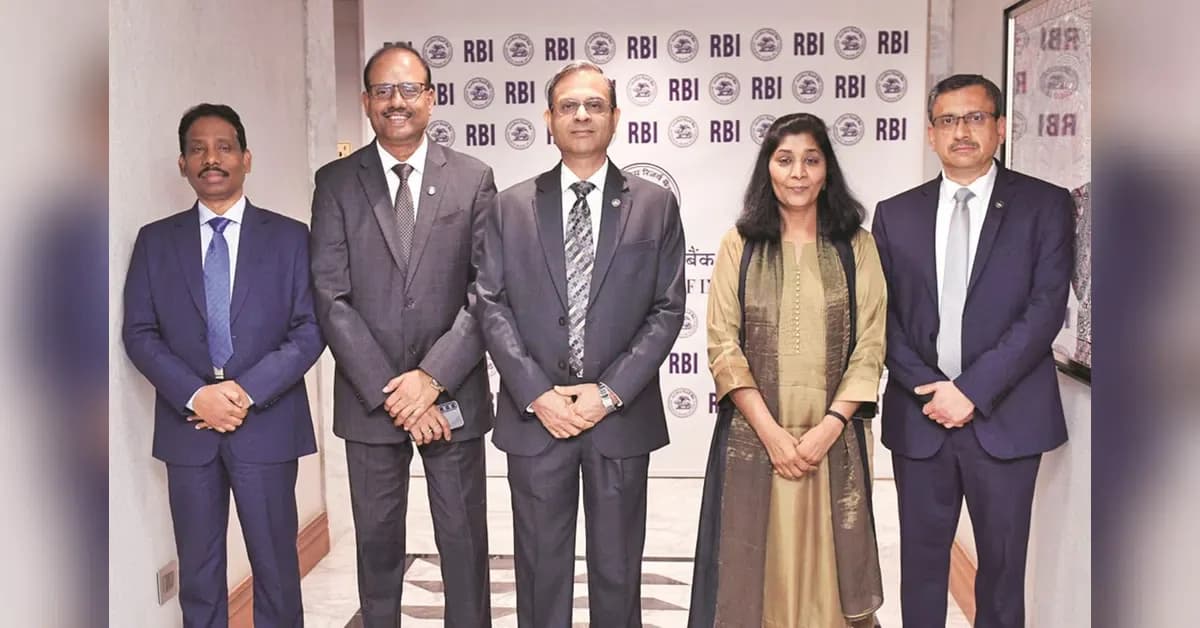
According to the Governor's statements reported by Business Standard, the RBI has raised its inflation forecast by 50 basis points, which could strengthen the case for a rate increase depending on various factors. Malhotra confirmed that no such measures are being considered to restrict remittances or overseas investment to slow capital outflows. The concessional forex swap facility for ECBs remains restricted to public-sector entities due to their greater economic needs and wider societal benefits compared to private companies. As reported by The Hindu BusinessLine, the RBI expects healthy inflows after today's announcements and will remain data-dependent on future policy actions. The central bank expects CRR and SLR dispensations to be provided, though there are no special regulatory relaxations beyond the broad contours already announced.