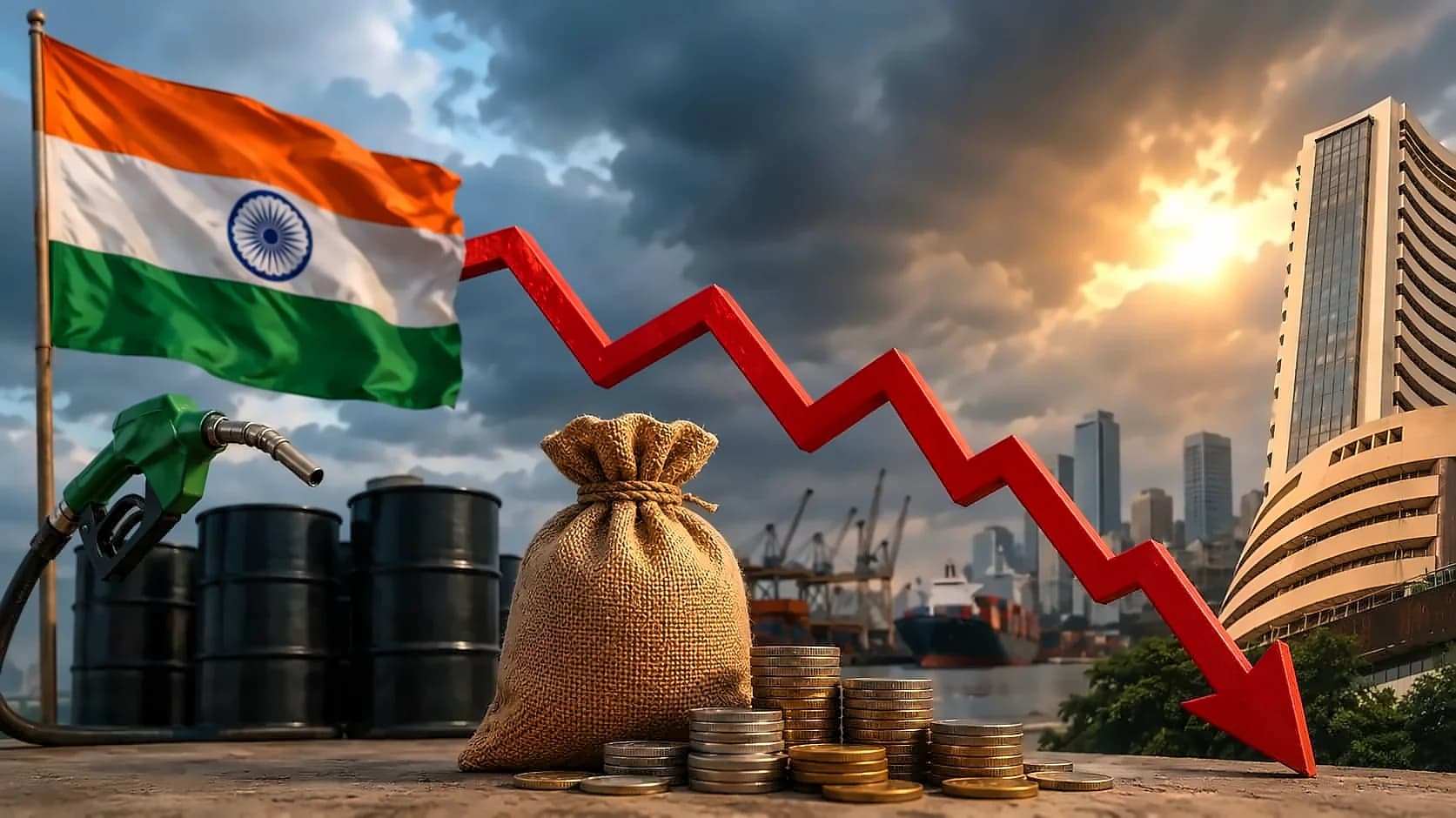
Prime Minister Narendra Modi warned on May 10 that the ongoing America-Iran conflict could become one of the biggest crises of this decade, while Kotak Securities Chairperson Uday Kotak cautioned on May 12 that a 'big shock' could be on the way. The government has implemented immediate measures, increasing import duty on gold and silver from 6% to 15% on May 13, reversing the reduction announced in Union Budget 2024. According to reports from Zee News, these warnings have drawn attention to building economic pressure as the West Asia conflict continues.
The government has implemented a comprehensive import duty increase on precious metals, with import duty on gold and silver raised from 6% to 15% effective May 13, while platinum duty increased from 6.4% to 15.4%. As reported by Zee News, these changes also apply to related products such as gold and silver dore, coins and findings. Senco Gold and Diamonds managing director Suvankar Sen estimated that jewellery volumes may decline by 10 to 15%, though higher prices would keep sales values elevated as consumers shift towards lighter ornaments. The move comes as India imports around 87% of its crude oil requirements, with nearly half of those supplies passing through or near the Strait of Hormuz.
Crude oil prices have surged from $67 per barrel on February 27 to nearly $107 per barrel, representing an increase of about 60%. As reported by Zee News, Union Petroleum Minister Hardeep Singh Puri revealed that government-run oil companies are losing nearly ₹1,000 crore every day, with losses of close to ₹1 lakh crore in the previous quarter. The three major companies - Indian Oil Corporation, Bharat Petroleum, and Hindustan Petroleum - could face losses of around ₹1.2 lakh crore in the April-June quarter alone. Experts suggest these companies may need to increase petrol prices by ₹16 per litre and diesel prices by ₹17 per litre to recover losses.
According to Zee News reports, more than 120 countries have increased fuel prices over the last two months due to rising crude oil prices, with petrol and diesel prices reportedly going up by 44% in Pakistan, 42% in the United States, and 31% in China. Economists believe a 15% increase in fuel prices can directly push wholesale inflation higher by around 1%, with India's wholesale inflation rate currently at around 3.7% potentially rising to 4.7%. A family using 50 litres of petrol monthly may end up paying an additional ₹750 per month, while public transport and school bus fees could rise by 10% to 15%.
According to Zee News reports, the government has built reserves of oil, gas and fertilisers to manage disruptions. India's strategic crude oil storage facilities at Visakhapatnam, Mangaluru and Padur have capacity to store 5.53 million metric tonnes of crude oil, with about 64% of this capacity (roughly 3.37 million metric tonnes) currently occupied. The government has increased LPG production at 23 refineries from 35,000-36,000 metric tonnes per day to nearly 50,000-54,000 metric tonnes. Despite economists lowering India's projected GDP growth from 7.7% to 6.7% due to the West Asia situation, the country is still expected to grow faster than many major economies, with around 70% of the country's GDP coming from domestic consumption.