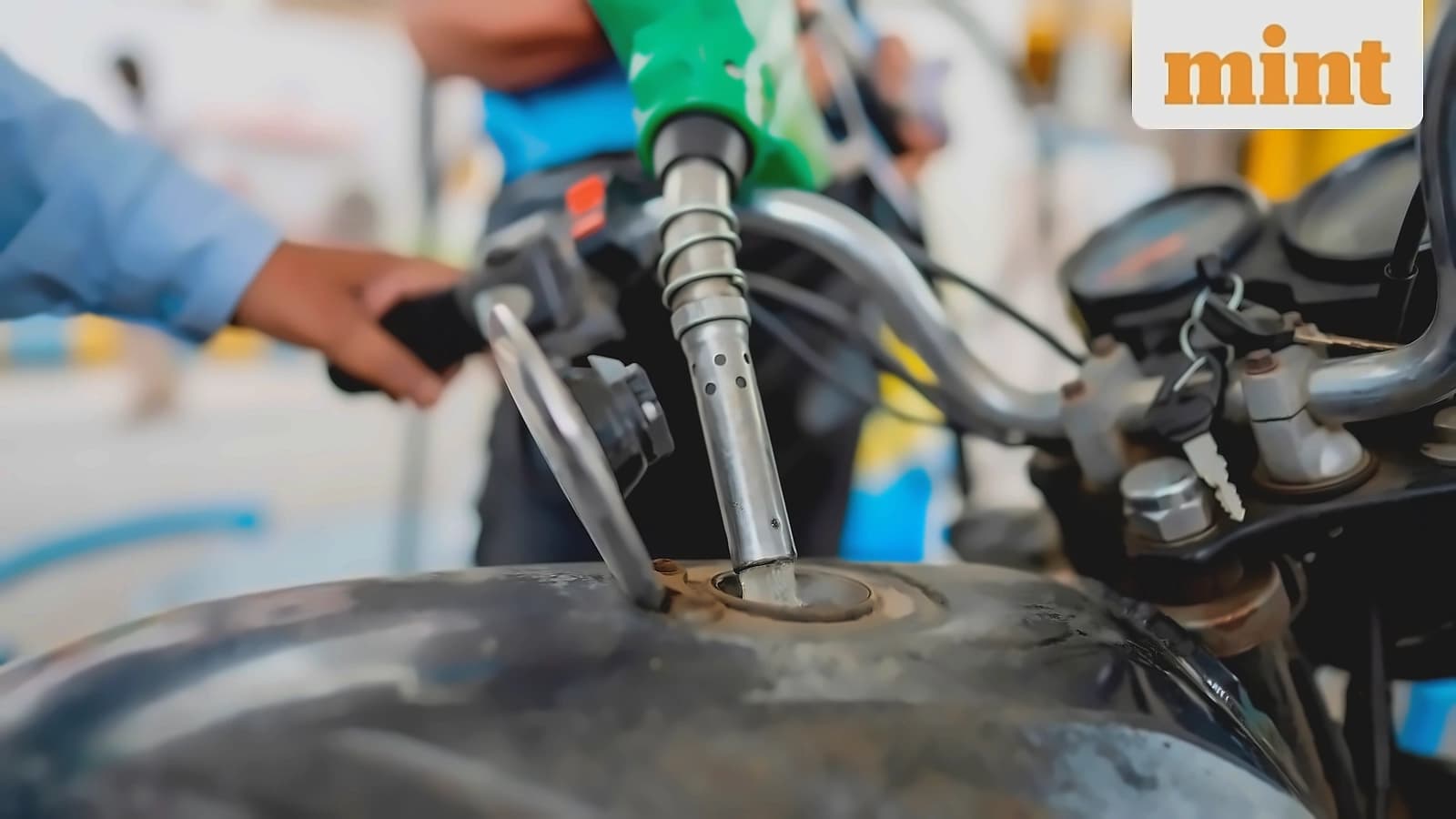
The global fuel crisis has intensified with gasoline prices up 28% year-over-year and fuel oil rising 54% in April, according to latest consumer price data. Oil futures are now hovering above $100 per barrel as the US and Iran remain locked in a standoff, with shipping traffic in the Strait of Hormuz returning to a standstill. The national average price for a regular gallon of gasoline has surpassed $4, while diesel continues to creep toward $6 per gallon. As per GasBuddy analysis, March saw a 21.2% month-over-month increase in gasoline prices - the largest monthly increase since the CPI was first published in 1967. The Iran war has prevented cargo ships from passing through the vital corridor, creating a global energy shock that's affecting food prices worldwide.
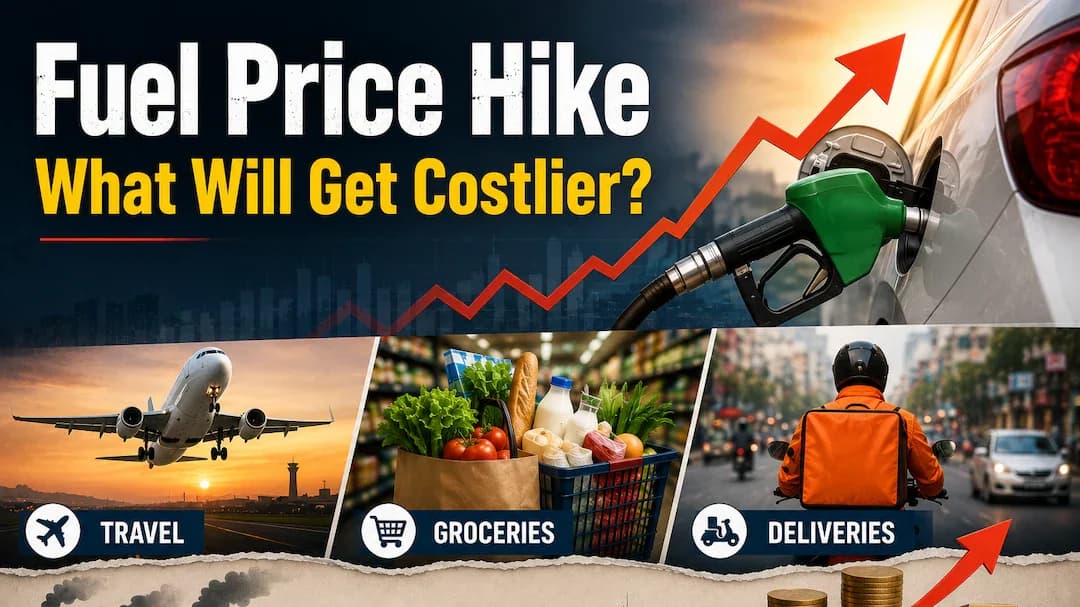
App-based delivery platforms and ride-hailing services operate on tight margins where fuel costs play a key role. As reported, while base fares may remain unchanged initially, surge pricing, convenience fees and delivery charges could gradually rise. App-based bike rides such as Rapido may be the worst hit as most operate on petrol. For regular commuters taking two cab rides daily, even a Rs 10–15 increase per trip could raise monthly travel expenses by nearly Rs 600–900. The US experience shows similar challenges, with independent markets like Sparrow Market in Ann Arbor, Michigan, adding fuel surcharges to deliveries as vendors pass increased costs to retailers.
Perishables like tomatoes, onions, potatoes, leafy greens, and fruits are transported over long distances, often overnight, in diesel-powered trucks. According to reports, transporters revise freight charges almost immediately after a fuel hike, with mandis passing increases to wholesalers, who pass it to retailers. The more perishable the item, the faster the price revision as no one in the chain wants to absorb the cost. US data shows fresh fruit and vegetables cost 6.5% more and meat prices increased 8.8% in April compared to the previous year, with consumers paying 6.5% more for fresh fruit and vegetables and 8.8% more for meat in US cities last month.
Milk collection is one of the most fuel-intensive operations in the food sector, with cooperative and private dairies running hundreds of collection routes daily. As reported, once at the plant, refrigeration and processing also consume energy. Dairies typically absorb hikes for a week or two before announcing price revisions. The cost increases are expected to impact all downstream products including butter, cheese, paneer, curd, and flavoured milk. US data shows milk and chicken prices dipped slightly, while butter cost 5.8% less in April than the previous year, though egg prices fell 39% as farmers rebuilt flocks affected by bird flu outbreaks.
Aviation turbine fuel (ATF) is not directly linked to retail petrol prices but moves broadly in sync with global crude and domestic energy trends. According to industry experts, fuel has always been the primary cost driver in aviation, typically accounting for 30–40% of an Indian airline's total operating expenses. The current global oil market volatility, combined with unfavourable currency fluctuations, has pushed ATF costs into crisis territory, leaving airlines virtually no room for operational flexibility or promotional pricing. US data shows nonalcoholic beverage prices increased 5% annually, partly due to petroleum derivatives used in plastic bottle manufacturing. As per BloombergNEF analysis, gasoline and diesel prices are likely to remain volatile with prices potentially falling to $3.65-$3.85 per gallon and $4.85-$5.15 per gallon respectively within 3-4 weeks, though experts warn relief may be location-specific and could take weeks to months to settle.